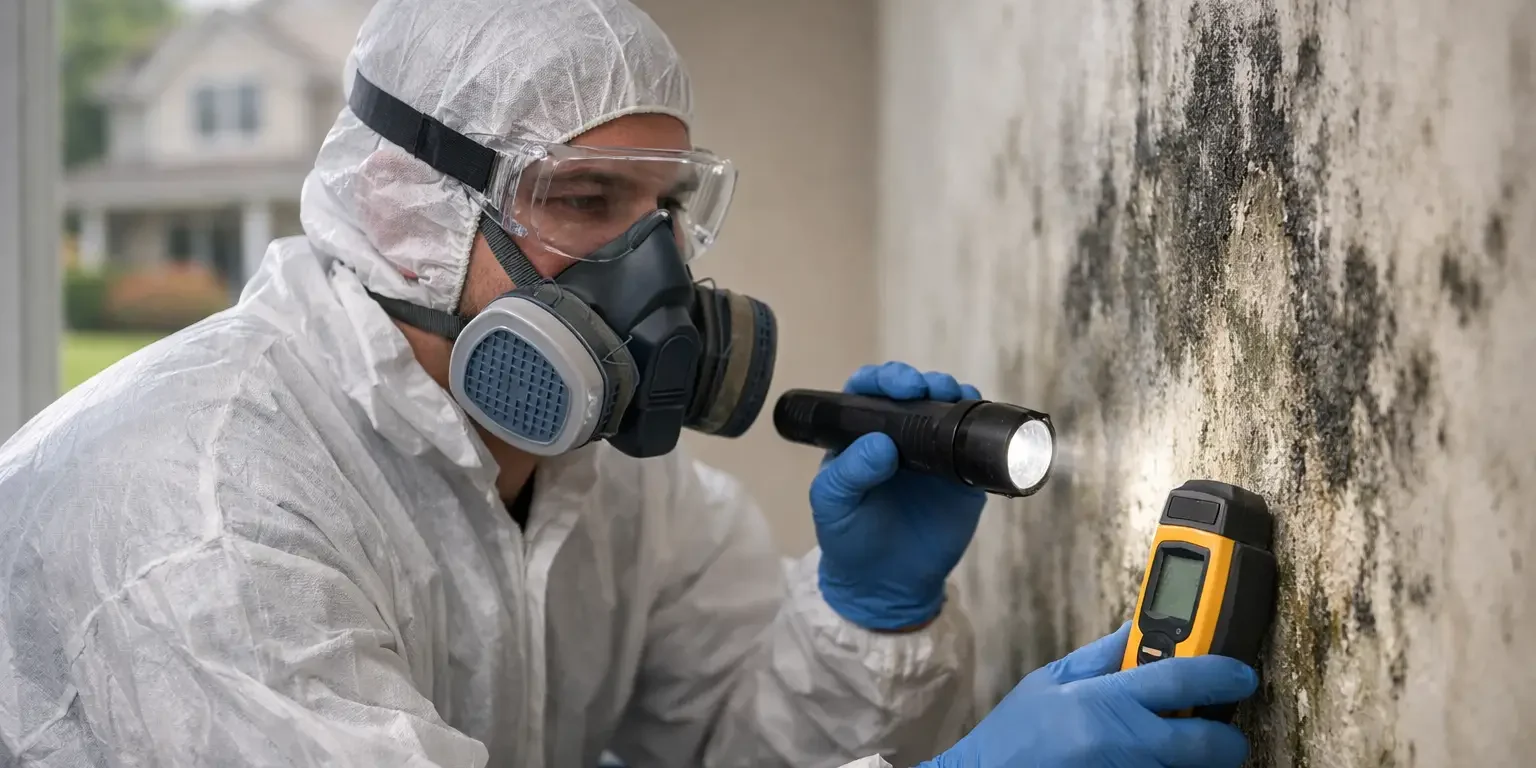
When you search for same day mold inspection near me, it usually means something has already gone wrong. Maybe you found black spotting behind a couch, a tenant reported a musty odor after a leak, or a recent flood left you wondering what is growing behind the drywall. At that point, speed matters – but so does getting the diagnosis right.
A rushed guess is not the same as a professional inspection. The goal is not to scare you. The goal is to identify whether mold is present, how far it has spread, what caused it, and what needs to happen next to protect the building and the people inside it.
Why same-day mold inspection matters
Mold problems rarely stay still. If moisture is active, contamination can spread through drywall, insulation, wood framing, carpet, and HVAC pathways faster than most property owners expect. In homes, that can mean worsening damage and declining indoor air quality. In commercial spaces, it can mean complaints, liability, interrupted operations, and higher cleanup costs.
That said, not every mold issue is a full-scale emergency. A small, isolated area caused by old staining may need a different response than widespread growth after a pipe break. This is exactly why a same-day inspection is valuable. It helps separate a manageable issue from a serious contamination event before anyone spends money on the wrong solution.
Fast response also helps when the situation involves sensitive occupants. If a property includes children, elderly residents, immunocompromised individuals, tenants with respiratory concerns, or employees working in enclosed indoor environments, delays can create more risk and more uncertainty.
What a same day mold inspection near me should include
A real mold inspection is more than walking through the property and pointing at discoloration. A qualified specialist should evaluate the conditions that allow mold to grow, not just the mold you can see.
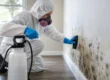
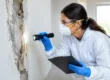
That usually starts with a visual assessment of affected and adjacent areas. Inspectors look for water intrusion, elevated humidity, past leak patterns, condensation, visible microbial growth, staining, deterioration, and signs that contamination may be hidden inside wall cavities, ceilings, crawl spaces, attics, or HVAC components.
Moisture detection is a critical part of the process. If the moisture source is still active, cleanup alone will not solve the problem. A proper inspection should help determine whether the source is a plumbing leak, roof intrusion, window failure, foundation seepage, poor ventilation, or a humidity control issue.
Testing may also be recommended, but not automatically in every case. That depends on what the inspector finds. In some situations, visible mold and obvious moisture damage already provide enough information to move directly into remediation planning. In others, air samples or surface samples can help document conditions, identify contamination patterns, or support decision-making for real estate, insurance, property management, or post-remediation verification.
When mold testing helps – and when it may not
This is where honest companies separate themselves from fear-based sales tactics. Testing has a purpose, but it is not a magic answer for every job.
If you have clear visible growth across porous materials after a known water event, the main question is often not whether mold exists. The more urgent questions are how far it extends, what materials are affected, and how to contain and remove it safely. In that case, inspection and remediation planning may matter more than extensive testing.
On the other hand, testing can be useful when occupants smell mold but nothing is visible, when a landlord needs documentation, when a buyer wants independent evidence before closing, when a business needs a record for internal reporting, or when there is concern about cross-contamination into unaffected areas.
The right inspector should explain why testing is or is not being recommended. That explanation should be clear, technical, and tied to the actual conditions on site.
What happens during the visit
If you are calling for same day mold inspection near me, you should expect a process that is efficient but not careless. A professional visit typically includes a discussion of what you have seen, smelled, or experienced in the building, along with any history of leaks, flooding, HVAC issues, or recurring humidity.
From there, the inspector works through the affected spaces and the areas connected to them. In many cases, mold spreads beyond the obvious source. A stained ceiling under a bathroom leak may be the visible symptom, while the larger issue sits inside the cavity above. A musty basement may trace back to chronic moisture entering through masonry or poor dehumidification, not a single isolated patch.
If contamination appears significant, the next step may include a written scope or remediation protocol. That matters because mold work should not start as demolition by guesswork. Proper containment, air control, removal methods, and cleaning procedures protect the rest of the property from being contaminated during the cleanup itself.
Red flags when choosing a local inspector
Not every company offering emergency service is qualified to inspect or remediate mold correctly. Some contractors treat mold like basic debris cleanup. Others lead with worst-case language and pressure property owners into unnecessary work before the source is even identified.
Be careful with any company that gives you a firm price without seeing the property, guarantees that every type of mold is toxic, or wants to start tearing materials out before discussing containment and moisture correction. Mold work is not just about removing damaged material. It is about controlling exposure, preventing spread, and correcting the cause so the problem does not return.
Certification, licensing where applicable, insurance, documented procedures, and standards-based methods matter. So does experience across both residential and commercial properties. A technician who understands indoor environmental conditions can make better decisions than a general contractor treating the issue as a cosmetic stain.
Residential and commercial mold issues are not exactly the same
Homeowners often focus on protecting family health, preserving the house, and avoiding expensive structural damage. Property managers and business owners usually have additional pressure – tenant complaints, lease obligations, occupancy concerns, employee safety, customer-facing areas, and the risk of operational disruption.
That changes how inspections are prioritized. In a home, the immediate concern may be a nursery, bedroom, basement, or attic after water damage. In a commercial building, the concern may involve shared air systems, office suites, retail areas, schools, medical-adjacent spaces, or multi-unit housing where one moisture event can affect several occupants.
A same-day response is valuable in both settings, but the inspection strategy may differ based on access, documentation needs, and the scale of potential contamination.
How to prepare before the inspector arrives
You do not need to scrub the area first, and you should not paint over it. Cleaning visible mold without understanding the source can disturb particles and make the inspection less useful. It can also create a false impression that the issue is smaller than it really is.
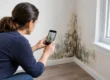
Instead, keep the area accessible. If you know when the odor started, when the leak happened, or which rooms have been affected, make a note of it. If tenants, employees, or family members have noticed symptoms tied to certain spaces or times of day, mention that too. Good information helps the inspection move faster and more accurately.
If the affected area is actively wet, that is worth reporting when you call. Water intrusion changes the urgency and may influence how quickly containment and drying decisions need to be made.
What you should expect after the inspection
A useful inspection should leave you with clarity. You should understand whether mold is likely present, what likely caused it, whether testing is recommended, whether remediation is necessary, and what the next step should be.
For some properties, the answer may be relatively simple – correct the moisture issue, remove limited damaged material, and clean the area under proper controls. For others, especially after major leaks or long-term hidden moisture, the scope may be more involved. That can include containment, negative air pressure, removal of contaminated porous materials, detailed cleaning, and verification that normal indoor conditions have been restored.
If you are in New Jersey, New York, Pennsylvania, or Connecticut and need a specialist that handles inspection, testing, protocol development, and remediation under one roof, Certified Mold Removal Inc. is built for exactly that kind of urgent response.
The most helpful next step is not to panic and not to wait. If something in your building looks wrong, smells wrong, or followed a water event, get it inspected by a certified professional who can tell you what is actually happening and what needs to happen next.