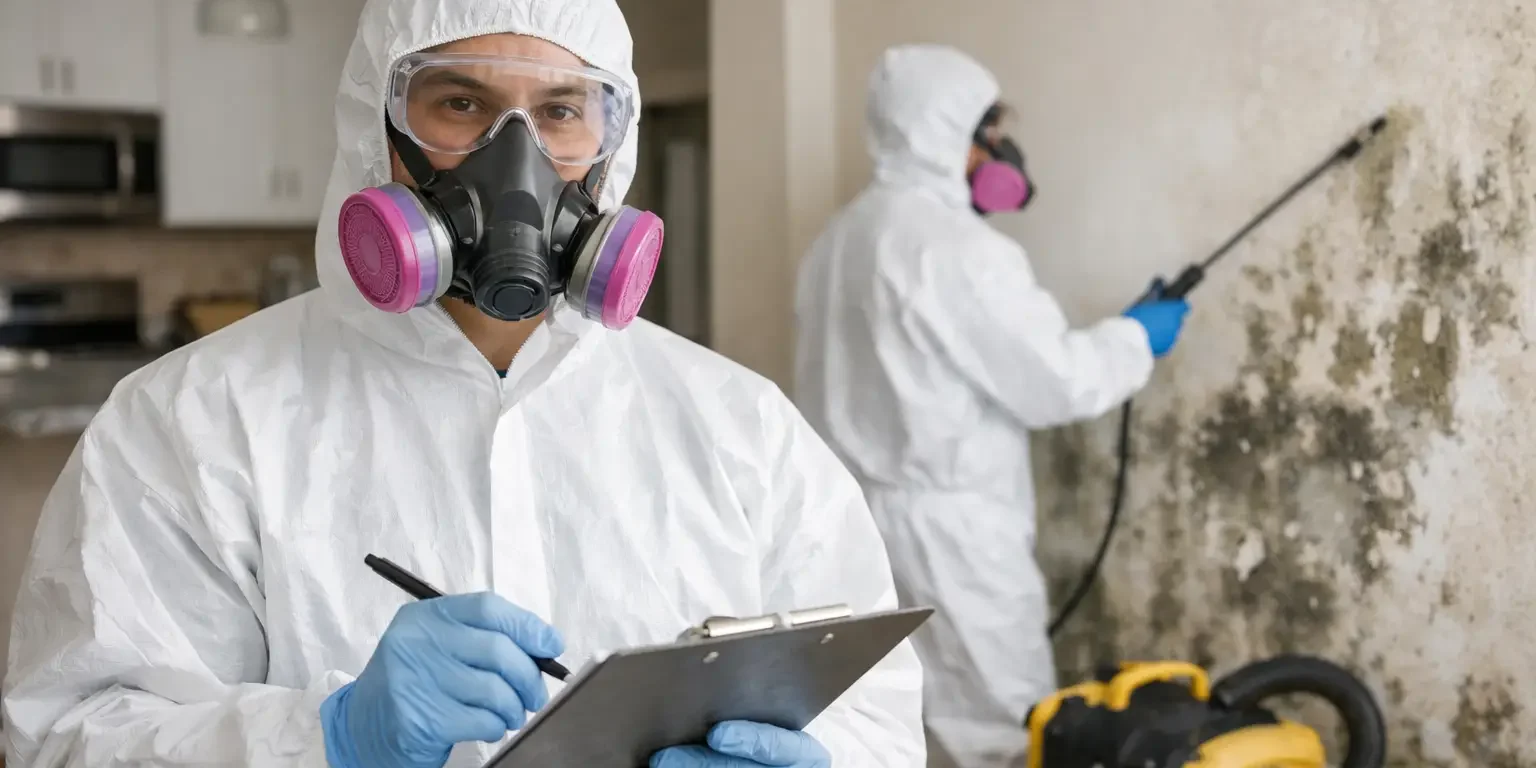
A musty odor in a basement, dark spotting around a window frame, or recurring water stains on drywall usually means one thing: the problem is already bigger than what you can see. That is where a residential mold abatement company becomes necessary. The right company does not just remove visible growth. It identifies why mold developed, measures how far contamination has spread, and corrects the conditions that allow it to return.
Homeowners often call for help after trying spray products, bleach, or a quick cleanup from a handyman. The surface may look better for a few days, but the smell returns, the staining spreads, or family members keep reacting to the indoor air. That is the difference between cleaning and true abatement. If the source is still active, the problem is still active.
What a residential mold abatement company actually does
A qualified residential mold abatement company starts with diagnosis, not demolition. That matters because mold growth can come from several different conditions. A roof leak, plumbing failure, poor bathroom ventilation, crawl space humidity, foundation seepage, or old water damage behind walls can all create similar-looking symptoms. Treating them the same way is a mistake.
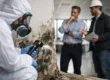
Professional abatement begins by evaluating the extent of contamination and the moisture source feeding it. In some homes, the growth is limited and can be isolated quickly. In others, what appears to be a small patch near a baseboard may point to a long-term hidden issue inside the wall cavity or under flooring. The work should be guided by inspection findings, testing when needed, and a written scope of remediation.
That process is especially important when occupants include children, seniors, or anyone with asthma, allergies, or other respiratory sensitivities. Not all mold is toxic, and honest contractors should say that clearly. But any active mold growth indoors signals excess moisture and declining indoor environmental conditions. Left alone, it can damage materials, spread through air movement, and increase cleanup costs.
Why proper mold abatement is not the same as basic cleanup
A lot of confusion in this industry comes from companies that treat mold as a cosmetic issue. They wipe down a surface, fog the air, paint over staining, or remove a small section of drywall without isolating the area. That approach may look cheaper at first, but it often shifts contamination into other parts of the home.
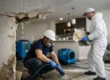
Proper abatement follows containment and air-control procedures designed to protect unaffected spaces. If contaminated drywall, insulation, or other porous materials need to be removed, that should happen inside a controlled work area. The goal is straightforward: remove impacted materials safely, prevent cross-contamination, and restore the area to normal conditions once the moisture source has been corrected.
This is why certification and procedural discipline matter. A specialist should be able to explain how containment will be built, whether negative air pressure is appropriate, what materials can be salvaged, what must be removed, and how post-remediation conditions will be evaluated. If a contractor jumps straight to demolition or guarantees a one-size-fits-all fix, that is a warning sign.
Signs you need a residential mold abatement company now
Some mold problems can wait a day or two for scheduling. Others need immediate attention. If you have had recent flooding, a burst pipe, sewage backup, persistent roof leak, or visible growth spreading across drywall, wood, or insulation, time matters. Mold can begin colonizing damp materials quickly, and every extra day of moisture increases the chance of structural damage and a broader remediation scope.
There are also cases where the signs are indirect. You may notice a sharp earthy smell in one room, condensation that never seems to clear, warped trim, bubbling paint, or repeated allergy-like symptoms indoors that improve when you leave the house. These are not proof by themselves, but they are strong reasons to bring in a trained professional.
For homeowners in Monmouth County and nearby parts of New Jersey, fast response often makes the difference between a contained project and a much more invasive one. A same-day inspection by a qualified specialist can establish whether the issue is limited, hidden, or actively spreading.
How to choose the right company
The best residential mold abatement company is not necessarily the one with the lowest estimate. It is the one that can show a clear, defensible process. You want a team that inspects first, explains findings in plain language, and recommends a scope based on conditions in your home rather than fear.
Ask how the company identifies the moisture source. If they cannot explain how the underlying cause will be found and corrected, the remediation is incomplete before it starts. Mold will come back if the leak, humidity imbalance, drainage issue, or ventilation failure is left in place.
Ask about training, standards, and insurance. A serious contractor should be comfortable discussing OSHA awareness, EPA-aligned practices, and IICRC-style remediation procedures. They should also be clear about worker protection, occupant safety, and what steps are taken to protect the rest of the home during removal.
It also helps to ask who handles each phase of the job. Some firms inspect but outsource cleanup. Others remove materials without testing or documentation. A one-stop specialist can often provide better continuity because the diagnosis, remediation protocol, containment, removal, and cleanup are coordinated from the start. Certified Mold Removal Inc. built its reputation around that model because fragmented jobs tend to create confusion, delays, and avoidable mistakes.
What the abatement process should look like
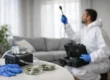
Every project is different, but the sequence should make sense. First comes the assessment of visible damage, likely moisture sources, and the possibility of hidden contamination. Then the work area is defined and isolated. If materials are actively contaminated and cannot be cleaned, they are removed under containment.
After removal, the remaining structure is cleaned using methods appropriate for the affected surfaces and contamination level. The source of moisture must be corrected before rebuilding begins. Depending on the project, that may involve plumbing repair, drying, ventilation improvements, dehumidification, drainage correction, or changes to how the space is conditioned.
The final stage is confirmation that the area is dry, clean, and ready for restoration. This step matters more than many homeowners realize. Finishing too early traps moisture and can start the cycle over again. A professional company should be patient enough to get this right.
Cost, urgency, and the trade-offs homeowners should know
Most homeowners want a simple answer on price, but mold abatement does not work that way. Cost depends on the size of the affected area, the type of materials involved, whether the contamination is hidden, how difficult access is, and whether the moisture source is still active. A small bathroom issue with limited drywall removal is very different from a basement or crawl space problem that has spread through insulation and framing.
Urgency also affects cost. Emergency response after sudden water damage can limit mold growth and reduce eventual demolition. Waiting may seem cheaper in the short term, but it often increases labor, disposal, and reconstruction expenses later. The cheapest proposal is not always the lowest total cost.
There is also a trade-off between disruption and thoroughness. A careful company may recommend more containment, slower drying, or broader material removal than a general contractor suggests. That can feel inconvenient, but it is often what protects the rest of the property and prevents repeat contamination.
Red flags to avoid
Be cautious of any contractor who uses fear as the main sales tool. You should be informed, not pressured. Claims that every mold issue is extremely hazardous, or that testing never matters, are both signs of poor judgment.
You should also be wary of companies that promise to solve the issue with paint, spray-only treatment, or deodorizing alone. Those methods may have a place in limited situations, but they are not a substitute for source correction and proper removal when materials are compromised.
Finally, avoid anyone who cannot explain the scope in writing. A homeowner should know what areas are affected, what materials are being removed or cleaned, how containment will work, and what conditions must be met before the job is considered complete.
The goal is a safe, stable home
A good residential mold abatement company does more than make a bad smell go away. It protects indoor air quality, prevents contamination from spreading, and helps preserve the value of the property by addressing the real cause of the problem. That takes technical judgment, not guesswork.
If you are seeing visible growth, smelling persistent mustiness, or dealing with the aftermath of water damage, the smartest next step is not to cover it up. It is to get a qualified specialist who can assess the situation clearly and act before a manageable issue becomes a major one. Peace of mind starts when the source is found, the work is contained, and the home is made safe again.