
A musty room that never seems to air out, a cough that shows up indoors, or headaches that ease when you leave the building – these are often the top signs of mold exposure people notice before they ever see visible growth. The problem is that symptoms alone do not confirm mold, and not every mold issue creates the same health response. What matters is recognizing the pattern early, then verifying the source before the contamination spreads.
For homeowners, property managers, and business owners, that distinction matters. Not all mold is dangerous, but untreated moisture and hidden growth can affect indoor air quality, damage building materials, and create real health concerns for sensitive occupants. The safest response is not panic. It is proper diagnosis.
The top signs of mold exposure to watch for
Mold exposure usually shows up in two places at once – in the body and in the building. If you focus on only one side, it is easy to miss the bigger issue.
Physical symptoms often resemble allergies or irritation. People may report sneezing, nasal congestion, coughing, throat irritation, watery eyes, skin irritation, or a feeling that the air is bothering them. In some cases, occupants also notice headaches, fatigue, or a tight chest. These symptoms can be mild at first, which is one reason mold problems get ignored longer than they should.
The building itself often gives separate warning signs. A persistent musty odor is one of the most common clues, especially in basements, crawl spaces, attics, bathrooms, laundry rooms, or areas with a history of leaks. You may also notice staining on drywall or ceilings, warped materials, bubbling paint, damp carpet, condensation issues, or recurring spots that seem to come back after cleaning.
When both sets of signals happen together, suspicion should rise. If occupants feel worse in one room, one unit, or one part of the workday, and that same space has moisture history or odor, the issue needs professional attention.
Why mold symptoms are easy to misread
One of the biggest mistakes property owners make is assuming mold always causes dramatic illness. In reality, it depends on the person, the amount of exposure, the type of contamination, ventilation conditions, and how long the problem has been present.
A healthy adult may notice only light irritation. A child, senior, or someone with asthma, allergies, or a compromised immune system may react much more strongly. That is why one family member can feel fine while another struggles in the same home. It does not mean the concern is imaginary. It means exposure response is highly individual.
Seasonal allergies can also confuse the picture. If symptoms continue long after pollen season, flare up after rain, or improve when you leave the property, indoor contamination becomes more likely. The same is true in offices, rental units, and commercial buildings where multiple people start complaining about air quality at the same time.
That said, symptoms are not a substitute for testing and inspection. Dust, pet dander, poor HVAC maintenance, cleaning products, and other indoor pollutants can create overlap. The goal is not to guess. The goal is to identify whether moisture and microbial growth are actually present, where they are coming from, and how far they have spread.
Common health-related signs of mold exposure
Respiratory irritation
Respiratory complaints are among the most reported signs. That can include coughing, wheezing, sinus pressure, postnasal drip, sore throat, and shortness of breath. In buildings with ongoing moisture intrusion, these issues may be more noticeable after sleeping, after spending time in a basement or lower level, or during HVAC operation.
For people with asthma, mold can act as a trigger. Symptoms may intensify faster and require more immediate medical and environmental attention.
Eye, skin, and allergy-like reactions
Itchy eyes, redness, skin irritation, and repeated sneezing are also common. These can look almost identical to standard allergy symptoms, which is why building-related timing matters so much. If reactions happen mainly indoors and subside elsewhere, the property should be evaluated.
Headaches and fatigue
Some occupants report headaches, mental fog, or unusual tiredness in contaminated environments. These symptoms are less specific, so they should be considered alongside odor, water damage, visible staining, or other building clues. On their own, they can point to many issues. Combined with moisture evidence, they become more meaningful.
Building conditions that often accompany exposure
If you are trying to judge whether symptoms may be connected to mold, the property itself usually tells part of the story.
A recent leak is an obvious red flag, but older water events matter too. Roof leaks, plumbing failures, appliance overflows, failed caulking, poor bathroom ventilation, wet basements, crawl space humidity, and repeated condensation around windows can all support hidden growth. Mold does not need a dramatic flood. It needs moisture and enough time.
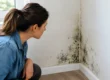
Visible mold is another warning sign, but it is not always extensive. Sometimes it appears as a small patch on drywall, around an HVAC vent, behind furniture on an exterior wall, or near baseboards. In other cases, the more serious contamination is concealed behind walls, under flooring, inside insulation, or above ceilings.
Odor is often the clue that pushes a case forward. A musty smell that returns even after cleaning should not be dismissed. Air fresheners can cover it temporarily, but they do not address the source. If the smell strengthens in humid weather or after the HVAC turns on, that is even more telling.
When the signs point to hidden mold
Hidden mold is where unqualified guessing creates problems. People scrub a visible area, paint over stains, or run a dehumidifier without addressing the source. That can delay proper remediation while contamination continues behind finished surfaces.
A professional inspection matters most when symptoms persist but visible mold is limited, when there is a known moisture history, or when an odor has no obvious origin. In those cases, the inspection process should look beyond surface appearance. Moisture mapping, air and surface sampling when appropriate, and a clear remediation protocol can separate a minor issue from a larger containment job.
This is also where standards matter. Improper removal can spread spores, cross-contaminate unaffected areas, and worsen indoor air quality. That is why mold remediation should begin with diagnosis and source correction, not demolition for its own sake.
What to do if you notice the top signs of mold exposure
Start by paying attention to patterns. Notice when symptoms occur, which rooms seem affected, and whether there has been a leak, flood, humidity problem, or persistent odor. If multiple occupants are reacting, document that as well.
Then act on the building, not just the symptoms. Cleaning visible spots without understanding the moisture source is rarely enough. If the area is recurring, if the odor remains, or if sensitive individuals are involved, a certified mold specialist should inspect the property.
For larger homes, multifamily buildings, offices, and commercial spaces, speed matters. Moisture problems spread quietly through wall cavities, ceiling assemblies, flooring systems, and HVAC pathways. A delayed response can turn a targeted fix into a broader remediation project.
If you are in New Jersey, New York, Pennsylvania, or Connecticut and dealing with suspicious odor, water damage, or occupant symptoms, Certified Mold Removal Inc. approaches the issue the right way – inspect first, identify the source, test when needed, and remediate with proper containment. That protects both health and property.
When to seek medical and environmental help
If anyone has severe respiratory distress, worsening asthma, or significant symptoms, medical care should come first. Environmental evaluation should follow quickly, especially if symptoms appear linked to a specific building.
For everyone else, the threshold is simpler than many people think. You do not need to wait until mold is covering a wall. If there is a persistent musty odor, repeated water intrusion, unexplained indoor irritation, or visible growth that returns, the property should be assessed.
The right next step is not fear. It is evidence. A careful inspection can tell you whether you are dealing with active mold, old staining, elevated moisture, or another indoor air quality problem entirely. That clarity is what protects occupants and prevents unnecessary work.
A building rarely fixes itself, and mold problems almost always start smaller than they finish. When the signs are there, early action is the smart move.