You clean the stain, the wall looks better for a few weeks, and then the dark spotting comes back in the same corner, around the same window, or under the same sink. If you are trying to figure out how to stop mold returning, the answer is almost never better spray or more scrubbing. Mold comes back when the moisture problem was never fully identified or corrected.
That is the point many property owners miss. Mold is not a stand-alone issue. It is a symptom of excess moisture, poor drying, hidden contamination, or incomplete removal. If the source remains active, the growth returns. If the source is corrected and the affected material is handled properly, the recurrence risk drops sharply.
Why mold keeps coming back
Mold needs only a few basic conditions to grow – moisture, a food source such as drywall or wood, and enough time. Most homes and commercial buildings already provide the food source. What determines whether mold returns is moisture control.
In some cases, the cause is obvious. A roof leak, a burst pipe, a wet basement, or a bathroom with no working exhaust fan can keep materials damp enough for growth. In other cases, the cause is less visible. Humid air may be condensing behind furniture placed against an exterior wall. An HVAC issue may be creating persistent dampness in a utility closet. A slow plumbing leak inside a wall may go unnoticed until staining appears again.
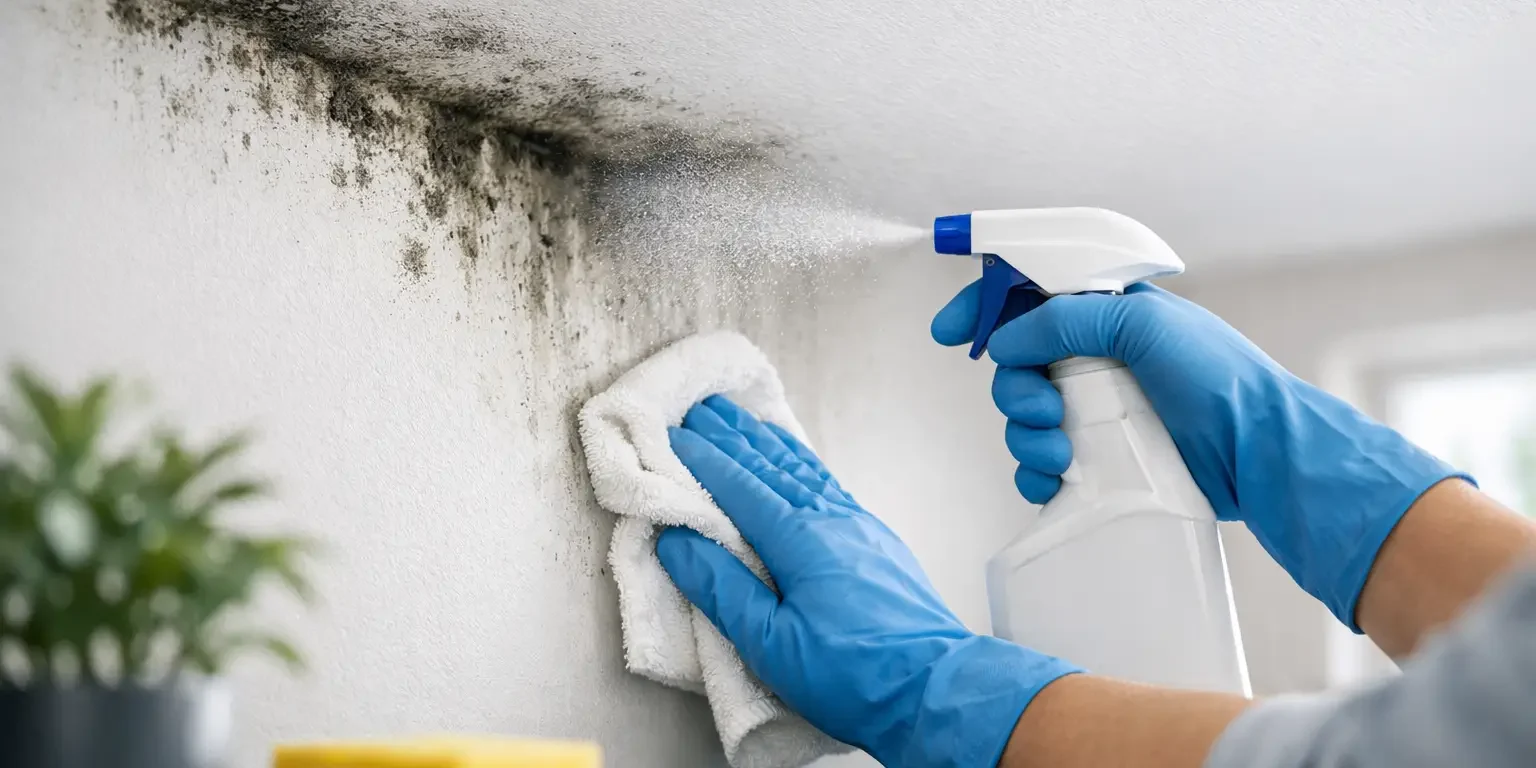
This is why surface cleaning often fails. Bleach, paint, and household mold sprays may change the appearance temporarily, but they do not correct the moisture source or address contamination inside porous materials. That is where repeat problems begin.
How to stop mold returning at the source
If you want lasting results, start with diagnosis, not cosmetics. The first question should be where the moisture is coming from and why the area has not stayed dry.
Find the water source, not just the growth
Look beyond the visible patch. Check for roof leaks, plumbing leaks, foundation seepage, condensation on cold surfaces, window infiltration, and high indoor humidity. In bathrooms and kitchens, verify that exhaust fans actually vent properly and move enough air. In basements and crawl spaces, pay attention to standing water, musty odors, and damp building materials.
For property managers and business owners, recurring mold in the same suite or utility area can point to a building system issue rather than a tenant housekeeping issue. That distinction matters. If the building envelope, drainage, or HVAC performance is contributing to moisture, simple cleaning will not solve it.
Dry the area completely and quickly
Even after a leak is fixed, wet materials have to be dried thoroughly. Drywall, insulation, carpet pad, wood framing, and subflooring can retain moisture longer than expected. If drying is incomplete, mold can continue growing out of sight.
Timing matters. Water-damaged areas should be addressed fast, ideally before moisture has days to linger. Delayed drying is one of the most common reasons a small incident becomes a recurring contamination issue.
Remove damaged porous materials when needed
This is where many repeat jobs start. Not every mold condition requires demolition, but porous materials that are deeply contaminated often cannot be reliably cleaned in place. Painted over drywall, moldy insulation, and water-damaged ceiling tile are common examples.
A professional assessment helps determine what can be cleaned and what should be removed. The goal is not over-demolition. The goal is complete, defensible remediation that does not leave hidden growth behind.
Cleaning mold is not the same as remediating it
Homeowners are often told to wipe mold down and keep an eye on it. Sometimes a very small, isolated issue on a non-porous surface can be cleaned successfully if the moisture source has been corrected. But recurring mold usually means the problem is no longer small, isolated, or superficial.
Proper remediation includes more than killing visible growth. It involves controlling the affected area so spores are not spread to clean spaces, removing unsalvageable materials safely, cleaning remaining surfaces correctly, and confirming that normal dry conditions have been restored. When that process is skipped, disturbed spores can settle elsewhere and create new complaints.
This is also why unqualified contractors can make the situation worse. A handyman may fix a leak but leave contaminated drywall in place. A painter may cover staining without addressing what is behind the wall. A general cleaner may scrub the surface while increasing airborne spore spread. If the work is not source-first and containment-aware, the mold often returns.
Humidity control is where long-term prevention lives
Many recurring mold problems are not caused by a sudden leak. They are caused by chronic humidity. That is especially true in basements, bathrooms, laundry areas, and properties with older ventilation systems.
Indoor humidity should stay in a controlled range. If the air feels damp, windows sweat, or closets smell musty, the building may be supporting mold even without a major water event. Dehumidification, improved airflow, insulation upgrades, and HVAC adjustments can all help, but the right fix depends on the cause.
Bathrooms and kitchens
Steam-heavy spaces need reliable exhaust. If mirrors stay fogged long after a shower, ventilation may be inadequate. Fan sizing, duct routing, and run time all matter. The same goes for kitchens where cooking moisture is not vented outside effectively.
Basements and lower levels
A basement can look dry and still have elevated moisture levels. Concrete can transmit moisture. Poor grading can push water toward the foundation. Sump systems, drainage improvements, vapor barriers, and dehumidifiers may be part of the solution. It depends on whether the issue is intrusion, condensation, or general humidity.
Bedrooms, closets, and exterior walls
Mold behind furniture, inside closets, or on north-facing walls often points to condensation. Cold surfaces meet humid indoor air, and moisture forms repeatedly. Increasing air movement can help, but so can insulation corrections and keeping furniture slightly off exterior walls.
How to stop mold returning after professional remediation
The best remediation work can still be undermined if post-remediation conditions are ignored. Once the contamination is removed, the building needs to stay dry.
That means repairing leaks permanently, monitoring humidity, replacing failed caulk or seals around windows and tubs, and paying attention to early warning signs. A persistent odor, new staining, peeling paint, or recurring condensation should never be dismissed. Those are often the first indications that moisture has returned.
For commercial spaces and multi-unit properties, routine maintenance is critical. Mechanical rooms, roof penetrations, tenant turnover inspections, and plumbing chases deserve more attention than they usually get. Recurring mold complaints in occupied buildings can quickly become indoor air quality, liability, and tenant retention issues.
When testing and inspection add real value
Not every mold issue needs lab testing, but recurring mold often deserves a more technical look. Inspection is especially valuable when the source is unclear, contamination may be hidden, or occupants are reporting odors and air quality concerns without obvious visible growth.
A proper inspection can help answer the questions that matter: Is this active mold growth or old staining? Is the problem limited to the surface, or is there hidden damage inside the wall, ceiling, or floor assembly? Is humidity the driver, or is there an active leak? Those answers shape the remediation plan and reduce guesswork.
For owners in New Jersey, New York, Pennsylvania, and Connecticut, recurring mold is often tied to seasonal humidity, storm-related water intrusion, or older building conditions. In those cases, a certified, source-focused inspection can save time and prevent repeated cleanup costs.
The mistakes that almost guarantee mold comes back
A few patterns show up again and again. One is painting over stained material before it is dried or replaced. Another is using household products as the whole solution. A third is fixing the visible damage without finding the hidden moisture path.
There is also the mistake of waiting too long. Small recurring spots are often treated as cosmetic until the underlying damage spreads. By the time walls soften, odors intensify, or tenants start complaining, the scope is larger and the cost is higher.
Certified Mold Removal Inc. approaches these situations the right way – identify the source, assess the extent, and remediate under controlled conditions when needed. That method is not about selling fear. It is about preventing repeat contamination and protecting indoor air quality.
If mold keeps returning, take that as useful information. The building is telling you something is still wet, still humid, or still contaminated. The fastest way out is not another can of spray. It is a clear diagnosis, a permanent moisture correction, and remediation that is done thoroughly enough that the problem does not get another chance.