
A musty odor after a leak is easy to ignore for a few days. The problem is that mold rarely stays a small problem. Once moisture is left unresolved, growth can spread behind drywall, inside insulation, under flooring, and into the air you breathe. That is why hiring a certified mold remediation company is not just about cleanup. It is about getting the diagnosis, containment, and correction right the first time.
For homeowners, property managers, and business owners, the stakes are different but the core issue is the same. You need clear answers fast, and you need a company that follows a disciplined process instead of using fear to force a quick sale. Not every mold situation is a crisis, but every suspected mold problem deserves a professional evaluation.
What a certified mold remediation company actually does
A lot of people assume mold remediation means spraying a product on a stained wall and calling it done. That is not remediation. A qualified company starts by identifying why mold is growing in the first place. If the moisture source is not corrected, the problem often returns, no matter how much surface cleaning was done.
A true remediation process usually begins with inspection and testing when needed. The goal is to determine the extent of contamination, where moisture is entering or collecting, and whether affected materials can be cleaned or need to be removed. From there, the company should create a written plan that explains containment, removal methods, cleaning steps, and post-work expectations.
That process matters because mold is not only a visible issue. Disturbing contaminated materials without proper controls can spread spores to unaffected areas. In occupied homes and commercial buildings, that can create a bigger indoor air quality problem than the one you started with.
Why certification matters more than a low bid
Anyone can advertise mold removal. That does not mean they are trained to do it safely. A certified mold remediation company should be able to explain its standards, training, and work practices in plain language. Certifications do not guarantee perfect work, but they do show that the company is operating within recognized professional guidelines rather than improvising on your property.
This is especially important when containment is required. If a contractor tears into mold-damaged drywall without isolating the area, using proper protective equipment, and controlling dust and debris, spores can move through the building. That can affect adjacent rooms, HVAC systems, and occupied spaces.
Price also needs context. A low estimate can look appealing until you realize it leaves out moisture correction, proper disposal, detailed cleaning, or clearance steps. On the other hand, a high estimate is not automatically better either. The right company should be able to justify the scope of work, explain what is necessary versus optional, and tell you where the real risk is.
What to ask before hiring a certified mold remediation company
The best companies welcome detailed questions. If a contractor seems irritated when you ask about process, that is a warning sign.
Start with credentials and insurance. Ask what certifications the company holds, whether technicians are trained for mold-specific work, and whether the business is properly licensed and insured for the services being performed. Then ask how they determine the source of moisture and what happens if that source is not part of the visible mold area.
You should also ask how containment will be handled. In a small, isolated issue, the setup may be simpler. In a larger or occupied property, the company may need negative air pressure, sealed work zones, HEPA filtration, and controlled material removal. The answer should match the actual conditions, not a one-size-fits-all script.
Another useful question is whether the company provides written findings and a remediation protocol. That is especially important for property managers, commercial facilities, and real estate situations where documentation matters. A professional company should be able to show what was found, what was done, and why those steps were appropriate.
Signs you are dealing with the wrong contractor
Some warning signs are obvious. Scare tactics, pressure to sign immediately, vague pricing, and claims that every mold issue is toxic should make you step back. Responsible professionals know that mold conditions vary widely. Some cases are limited and straightforward. Others are hidden, widespread, or tied to ongoing water intrusion.
Be cautious if someone promises to eliminate mold forever with a single product or treatment. Mold control depends on moisture control. Without fixing the underlying leak, humidity issue, drainage problem, or ventilation failure, regrowth remains possible.
It is also a bad sign when a contractor skips inspection details and jumps straight to demolition. Removing material may be necessary, but it should follow a reasoned assessment. Over-scoping the job can raise costs unnecessarily. Under-scoping it can leave contamination behind.
How the remediation process should look
Inside a certified mold remediation company process
A professional process should feel organized from the first call. In urgent cases, fast response matters because moisture damage evolves quickly. But speed should not replace method.
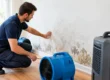
First comes evaluation. The team should identify visible growth, moisture conditions, affected materials, and the likely path of spread. Depending on the setting, testing may help define the problem or support documentation, though it is not required in every single case.
Next comes source correction. If a roof leak, plumbing failure, condensation issue, or drainage problem caused the growth, that needs to be addressed before or alongside remediation. Otherwise the cleanup is incomplete.
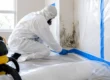
Then comes containment and removal. The affected area should be isolated based on the scope of contamination. Workers should use appropriate personal protective equipment and filtration devices. Porous materials that cannot be effectively cleaned may need removal, while some structural components can often be cleaned and treated according to accepted standards.
After removal, detailed cleaning matters. HEPA vacuuming, surface cleaning, and debris control are part of restoring the area to a safe condition. In many projects, especially in commercial or multi-unit settings, documentation and post-remediation verification are also part of doing the job responsibly.
Residential and commercial jobs are not the same
In a single-family home, the priority is often protecting the family, preventing spread, and preserving as much of the property as possible. In commercial buildings, there may be added concerns such as business interruption, tenant communication, liability, and phased work to keep operations moving.
That is why experience with different property types matters. A company working in a medical office, retail site, apartment building, or managed community needs to understand access restrictions, occupant safety, scheduling, and recordkeeping. The technical work is critical, but coordination is part of the job too.
In regions like New Jersey and the surrounding service area, weather swings, storm-related water intrusion, basement moisture, and humidity problems can all contribute to mold conditions. Local experience helps because the company has likely seen the same patterns before and knows where hidden moisture problems tend to develop.
When fast action matters most
Not every mold issue requires a middle-of-the-night emergency response. But some absolutely do. If there has been a recent flood, major leak, sewage-related event, or rapid spread in an occupied space, delays can make the job larger and more disruptive.
Fast action is also important when vulnerable occupants are involved, when a property sale is at risk, or when a commercial site cannot afford extended downtime. In those situations, a company that can inspect quickly, document conditions clearly, and move into containment without confusion provides real value.
That is one reason companies like Certified Mold Removal Inc. emphasize same-day responsiveness and standards-based work. Urgency is useful only when it is paired with technical accuracy.
The real goal is a normal, safe indoor environment
People often focus on the visible stain, but the real objective is bigger than that. You want a dry, stable indoor environment where mold is no longer actively growing and contaminated materials have been managed correctly. That takes more than a cosmetic fix.
A certified mold remediation company should leave you with clarity, not more uncertainty. You should understand what caused the issue, what was affected, what was removed or cleaned, and what steps will help prevent recurrence. That is how you protect health, property value, and peace of mind without overreacting or cutting corners.
If you are comparing contractors, trust the company that explains the process calmly, documents the work carefully, and treats moisture control as seriously as cleanup. Mold problems are stressful enough. The right help should make the path forward feel clear.