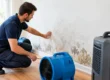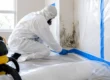
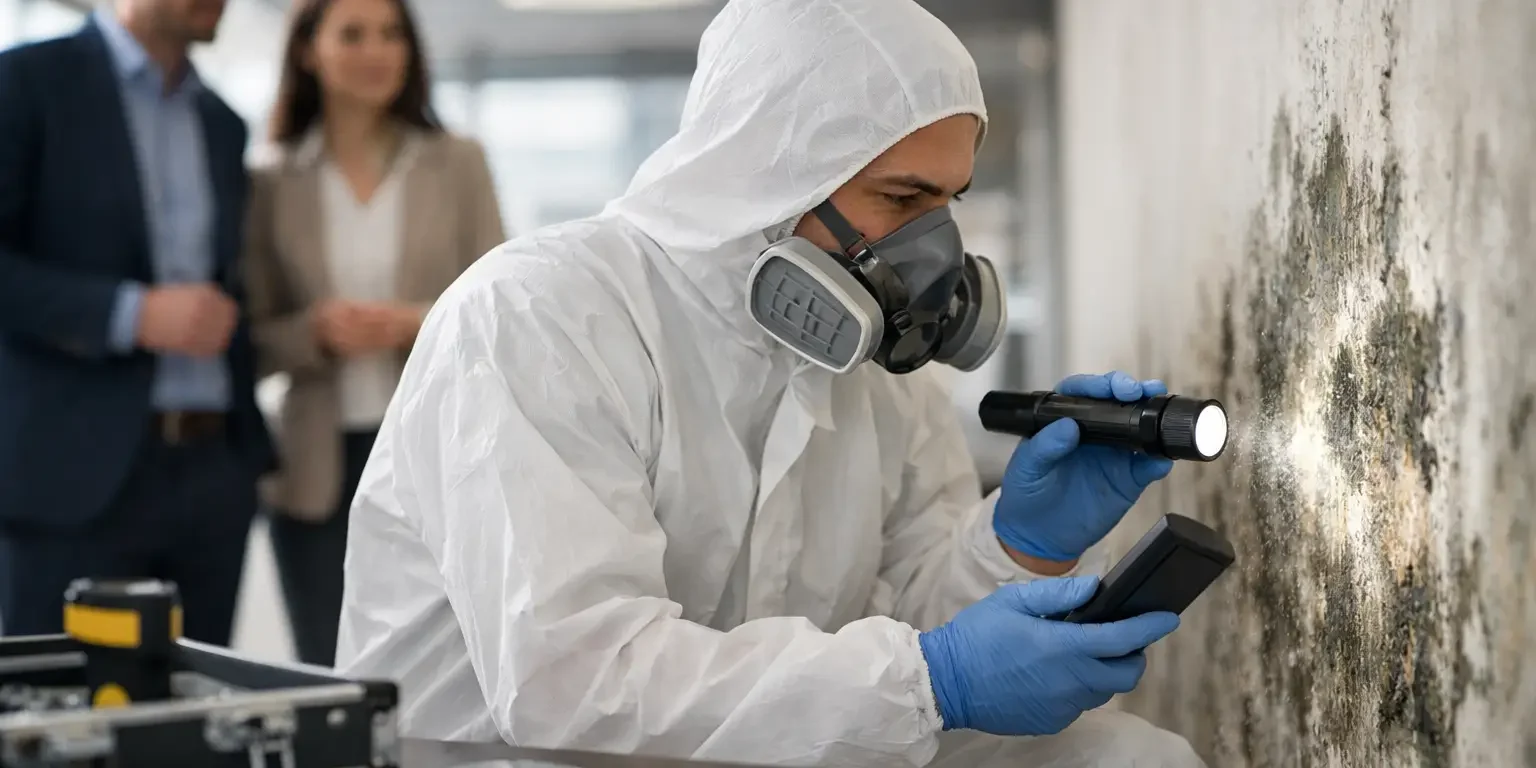
A ceiling stain in a retail space, a musty odor near an HVAC return, or recurring tenant complaints about air quality usually means the same thing: waiting will cost more. Commercial mold inspection services are not just for obvious black spots on drywall. They are for finding the moisture source, measuring the extent of contamination, and giving property owners or managers a factual basis for the next decision.
For commercial buildings, guesswork is expensive. A rushed cleanup by an unqualified contractor can spread spores, interrupt operations, and leave the original moisture issue untouched. A proper inspection does the opposite. It establishes what is happening, where it is happening, and whether remediation is actually needed.
What commercial mold inspection services should accomplish
A real inspection is not a quick walk-through with a flashlight and a sales pitch. In a commercial setting, the job is more disciplined than that. The inspector should evaluate visible damage, hidden moisture conditions, airflow patterns, humidity, and the way the building is being used. Offices, medical spaces, warehouses, restaurants, schools, and multifamily common areas all behave differently, and that matters.
The goal is not to alarm you. Not all mold growth presents the same level of concern, and not every discoloration is active contamination. The purpose of the inspection is to separate suspicion from evidence. That protects occupants, but it also protects owners from overpaying for unnecessary work.
A standards-based inspection usually includes a site assessment, moisture detection, documentation of affected materials, and sampling when conditions justify it. In many commercial properties, the most valuable part is the written findings. Decision-makers need something clear enough to act on, share with stakeholders, and use to plan correction and cleanup in the right order.
The signs that call for commercial mold inspection services
Some buildings practically announce the problem. Others do not. Visible growth on walls, ceiling tiles, insulation, or around window systems is an obvious trigger, but many commercial cases start with less direct warning signs.
A persistent musty odor is one of the most common. So are repeated roof or plumbing leaks, humidity complaints, condensation on interior surfaces, warped finishes, and HVAC zones that never seem to dry out. In tenant-occupied properties, recurring complaints about stale air or irritation in one part of the building can also point to hidden moisture and microbial growth.
Water damage history matters just as much as what you can see today. If your property recently had a pipe break, roof intrusion, storm event, sprinkler discharge, or long-term drainage issue, an inspection is the smart next step. Mold often develops behind finishes, above drop ceilings, or inside wall cavities where routine maintenance staff cannot verify conditions without the right tools.
Why diagnosis comes before cleanup
This is where many commercial projects go sideways. Someone sees staining or hears a complaint, sends in a maintenance crew, wipes the surface, paints over the area, and assumes the problem is solved. It rarely is.
Mold growth is a symptom. The driver is moisture. If the source is a roof detail, failed flashing, negative grading, poor ventilation, a plumbing leak, or an HVAC condensation issue, surface cleaning alone will not hold. The growth returns, the affected area expands, and the eventual remediation gets more disruptive.
That is why competent inspectors focus on causation, not just contamination. They want to know how water entered, why materials stayed damp, and what building conditions are allowing growth to continue. Once that is understood, remediation can be scoped correctly. Without that step, even an expensive cleanup can become a temporary patch.
What a professional commercial inspection usually includes
Commercial properties need more than a simple yes-or-no answer. They need a process. A qualified inspector typically starts with an interview about the building history, leak events, complaints, prior repairs, and areas of concern. From there, the inspection moves into direct observation and instrument-based testing.
Moisture meters, thermal imaging, humidity readings, and targeted visual assessment help identify where materials are wet or where hidden conditions may exist. Sampling may be used when there is a need to confirm mold presence, compare indoor and outdoor conditions, document contamination for a protocol, or investigate a disputed issue. Sampling should support the inspection, not replace it.
The deliverable matters. Commercial clients usually need written documentation that explains affected areas, likely moisture sources, the apparent extent of damage, and what corrective action should come first. If remediation is necessary, the findings should support a clear, defensible scope rather than vague recommendations.
The cost of waiting in occupied buildings
In a commercial setting, delay creates a chain reaction. Moisture spreads. Porous materials degrade. Indoor air complaints increase. Tenants become frustrated. Staff productivity can drop, and small localized work can turn into containment-heavy remediation across a much larger footprint.
There is also the scheduling problem. When a mold issue is caught early, work can often be planned around occupancy, after hours, or in controlled phases. When it is ignored, emergency conditions can force more aggressive action with greater operational disruption. That affects revenue, reputation, and timelines.
For property managers, there is another practical issue: documentation. If complaints have been made, leak events have occurred, or a transaction is pending, an inspection creates a factual record. That record helps everyone move from opinions to decisions.
Not every mold finding means the same response
One of the biggest mistakes in this industry is treating every mold call like a catastrophe. That is not accurate, and it is not helpful. A small isolated issue from a known source may call for targeted removal and drying. A widespread problem tied to HVAC distribution, chronic leaks, or long-term humidity control failures is a different matter entirely.
That is why context matters. The type of material affected, the square footage involved, the building use, occupant sensitivity, and whether the area is actively wet all influence the right response. An honest inspection should tell you what is minor, what is significant, and what cannot wait.
This is also why commercial clients should be cautious with contractors who jump straight to remediation without a proper diagnosis. Fear-based selling is common in this space. Professional guidance should be direct and urgent when needed, but still measured. The facts should lead the scope.
Choosing the right inspection partner
Commercial clients should look for certification, insurance, experience with occupied buildings, and a process that reflects current industry standards. Speed matters, especially after a leak or when occupants are affected, but speed without technical discipline is not a benefit.
Ask how the inspection identifies moisture sources, how findings are documented, whether the company can provide a written remediation protocol when needed, and how containment decisions are made if cleanup is required. If the answer sounds vague, generic, or overly dramatic, keep looking.
A true specialist understands that commercial projects are about more than finding mold. They are about protecting indoor air quality, minimizing business interruption, and correcting the building condition that caused the problem in the first place. That is the difference between an inspection that leads to resolution and one that leads to repeated calls for the same issue.
For owners and managers in New Jersey and the surrounding region, fast response can make a measurable difference after leaks, storm damage, or tenant complaints. Companies such as Certified Mold Removal Inc. are built around that reality, with same-day availability, documented inspection methods, and remediation planning that starts with source correction.
When immediate action is the right call
If you have visible growth in an occupied area, a strong odor spreading through HVAC zones, recent water damage that was not professionally dried, or repeated complaints tied to one area of the building, do not wait for the problem to declare itself more clearly. Commercial mold issues rarely improve on their own.
The right next step is a qualified inspection that tells you what is actually happening and what needs to happen next. That kind of clarity protects health, budgets, schedules, and the long-term condition of the property. When the building is part of your business, certainty is worth moving quickly for.