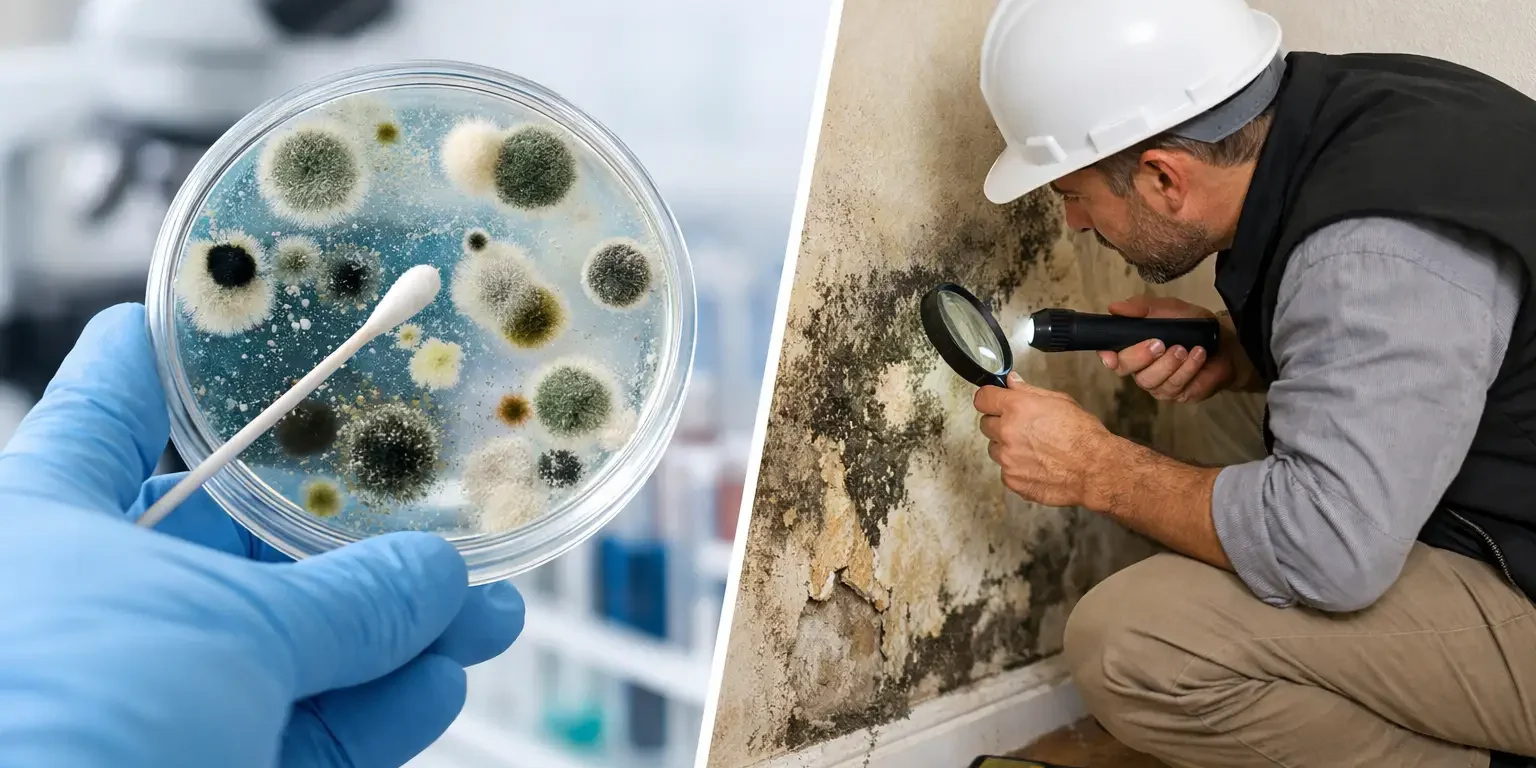
A dark spot near a shower, a damp basement odor, or a ceiling stain after a leak can raise an understandable question: do you need mold testing versus inspection? The answer depends on what is visible, how the moisture problem developed, and what decisions you need to make next. In many properties, a qualified inspection identifies the real problem before laboratory testing is necessary.
Mold should never be treated as a cosmetic issue alone. Growth is a signal that moisture has reached a building material or indoor surface long enough for conditions to change. The right response is not panic and it is not simply spraying a cleaner over the affected area. It is a careful diagnosis, correction of the moisture source, and a remediation plan that protects occupants and the property.
Mold Testing Versus Inspection: The Core Difference
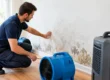
A mold inspection is a professional assessment of the property and the conditions that may support mold growth. The inspector looks for visible growth, water intrusion, elevated humidity, plumbing failures, condensation, roof or foundation leaks, material damage, and areas where moisture may be hidden. The goal is to determine where the problem is, why it occurred, and how far it may extend.
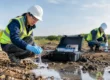
Mold testing is the collection and laboratory analysis of samples. Depending on the circumstances, samples may come from indoor air, outdoor air for comparison, surfaces, dust, or building materials. Testing can identify or quantify certain fungal conditions, but a lab result by itself does not explain the source of moisture, show every affected cavity, or create a safe removal plan.
Put simply, inspection answers the practical questions: What is happening? Where is it happening? What caused it? Testing can add data when the answer is not clear or when documentation is needed.
Why an Inspection Usually Comes First
A reliable inspection directs the rest of the work. If a professional can see moisture damage beneath a leaking pipe, identify active growth on affected drywall, and trace the leak to its source, the priority is to stop the water and address the damaged materials. Waiting for a sample result does not make the leak less urgent.
An inspection also prevents testing from becoming a sales tactic. A contractor who collects samples without thoroughly evaluating the building may produce numbers that sound alarming but do not tell you what to repair. Mold exists naturally outdoors and can enter buildings through doors, windows, and normal air movement. A report must be interpreted in the context of the property, the moisture history, visible conditions, and the sampling method.
For homeowners and property managers, this distinction can prevent unnecessary expense. Not every small, isolated area requires extensive sampling. Conversely, a clean-looking room may require a more detailed investigation if there is a persistent odor, a history of water damage, or occupants reporting concerns that began after a building event.
What a Professional Inspection Should Evaluate
A thorough inspection is more than a quick visual walk-through. It should consider the building as a system. That includes likely water entry points, ventilation, humidity patterns, drainage, plumbing fixtures, HVAC-related condensation, insulation gaps, and materials that may retain moisture.
The inspector may use moisture meters, thermal imaging, hygrometers, and other diagnostic equipment to identify conditions behind walls, below flooring, or above ceilings. These tools do not replace professional judgment, but they help narrow the investigation without opening materials unnecessarily.
The final findings should be clear. You should understand the suspected source, the areas of concern, the recommended scope of corrective work, and whether sampling would provide useful additional information. When removal is needed, a written remediation protocol helps define containment, material handling, cleaning, and post-work verification expectations.
When Mold Testing Adds Real Value
Testing is valuable when it answers a specific question that an inspection cannot answer with confidence. It is not automatically required whenever mold is suspected.
Air sampling may be appropriate when there are unexplained indoor air quality concerns, no visible growth, or a need to compare indoor conditions with outdoor baseline conditions. Surface or material sampling can help document suspicious staining when visual identification is uncertain. In commercial properties, rental situations, insurance claims, or disputes involving water damage, laboratory documentation may also support decision-making.
Testing can be especially helpful after a concealed leak. For example, a supply line may have leaked inside a wall for weeks before anyone noticed staining. Even after the plumbing repair, an inspection may reveal elevated moisture and suspect materials but leave questions about whether contamination has spread into adjacent areas. Targeted testing can support a more precise remediation plan.
There are limits. Air samples are snapshots in time. Results can be influenced by weather, open windows, HVAC operation, recent cleaning, foot traffic, and where the samples were collected. A low air-sample result does not prove that hidden mold is absent, and a higher result does not automatically mean a building is unsafe. The data must be read by someone who understands the property and the sampling conditions.
When Testing May Not Be Necessary
If visible mold growth is present and the moisture source is clear, testing often will not change the next step. The building still needs the source corrected and affected materials properly cleaned or removed under appropriate containment. Laboratory confirmation is not a substitute for action.
Consider a bathroom exhaust fan that has failed for years, leaving recurring growth on painted drywall and caulk. The condition is visible, the humidity issue is apparent, and the repair path is straightforward: improve ventilation, correct damaged materials as needed, and clean or remediate the affected surfaces properly. Sampling may be optional unless there are unusual circumstances or a need for formal documentation.
This is why honest recommendations matter. Not all mold is dangerous, but recurring moisture and visible growth should be addressed before the damage expands. The goal is to use testing where it provides a meaningful benefit, not to add cost or delay to a situation that already has a clear solution.
The Risk of Skipping Diagnosis
The biggest mistake is treating mold removal as a surface-cleaning project. If the underlying leak, condensation problem, drainage issue, or humidity imbalance remains, mold can return. A new coat of paint may hide a stain temporarily, but it does not dry a wall cavity or restore damaged building materials.
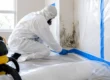
Improper removal can create another problem by disturbing contaminated materials without containment or air control. This can spread debris into adjacent rooms and make cleanup more difficult. General repair work and mold remediation are not always the same discipline. When significant growth, water-damaged materials, or concealed contamination is involved, the work should follow a documented, standards-based process.
For properties in Monmouth County and surrounding areas, fast response after a leak or flooding event can limit the scope of damage. Drying and diagnosis are time-sensitive. The longer moisture remains in place, the more likely materials such as drywall, insulation, carpeting, and framing are to require deeper evaluation.
How to Decide What Your Property Needs
Start with the evidence in front of you. Visible growth, a musty odor, recent water damage, a recurring stain, or ongoing humidity all justify a professional inspection. If the inspector identifies a clear source and visible affected area, remediation planning may be the logical next step without broad testing.
Ask for testing when it will answer a defined question: Is there evidence of a concealed condition? Do we need documentation for a property transaction, tenant concern, or claim? Are indoor air conditions unusual despite no visible explanation? Is post-remediation verification needed to confirm that the work area has been properly cleaned and returned to normal conditions?
A qualified specialist should be able to explain the recommendation in plain language, including what the inspection can establish, what a sample can and cannot prove, and how the findings affect the scope of work. Certifications, insurance, proper equipment, and adherence to recognized remediation standards are practical safeguards, not marketing extras.
Certified Mold Removal Inc. approaches the process in that order: diagnose the moisture problem, determine the appropriate testing strategy when needed, create a written plan, and complete controlled remediation that addresses both contamination and cause.
If you are seeing signs of moisture or mold, document what you notice, avoid disturbing suspect materials, and arrange a professional assessment promptly. A clear diagnosis is the fastest path to a safer, drier property and a repair plan you can trust.