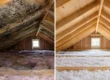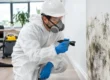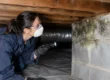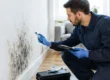
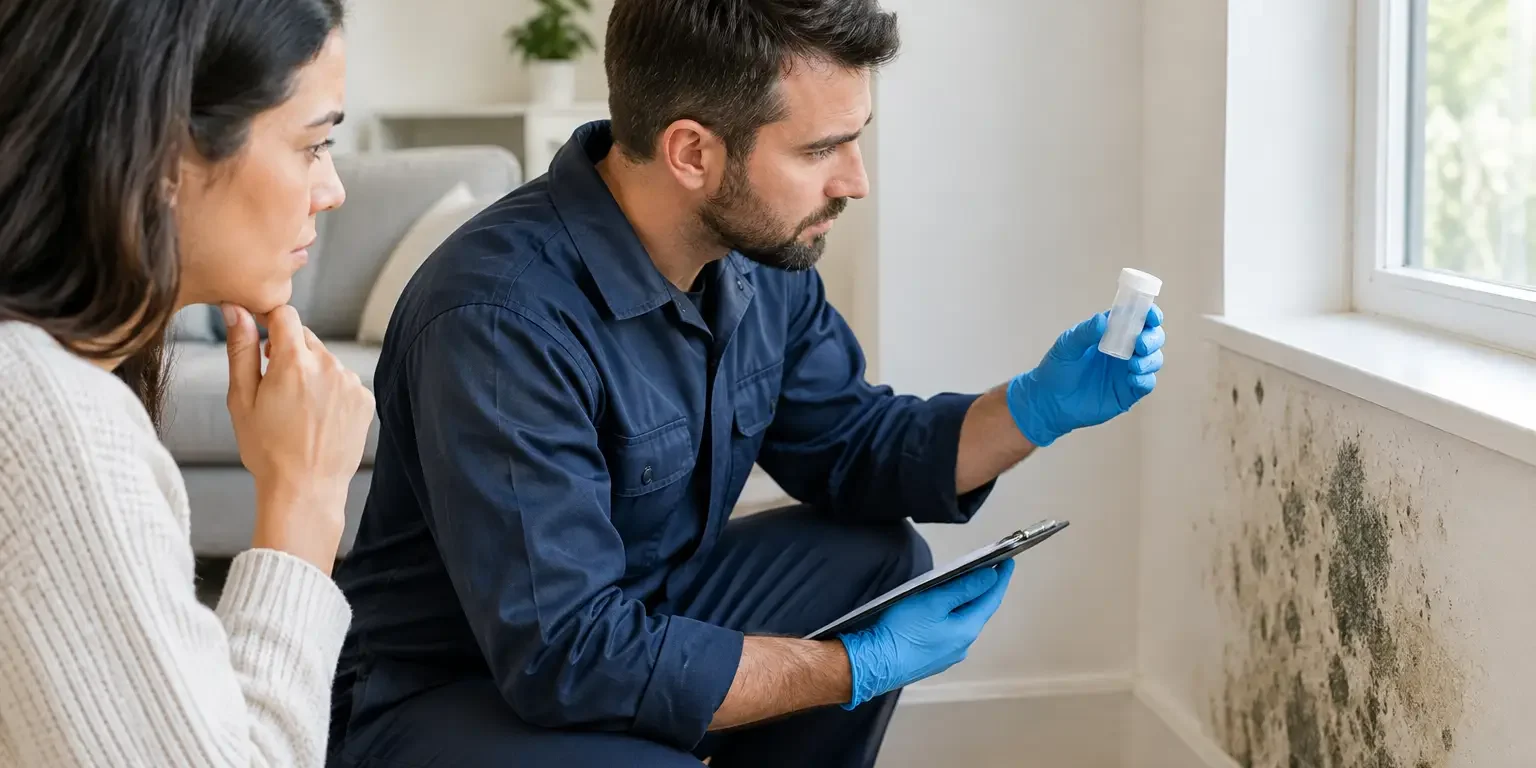
A musty smell after a ceiling leak, dark spotting around a window, or a bedroom that never seems to dry out is not something a tenant should simply live with. Can tenants request mold testing? Yes. A tenant can ask a landlord or property manager to investigate suspected mold and moisture conditions, particularly when there is visible growth, recurring water intrusion, or indoor air concerns.
The more practical question is whether testing is the right first step. Mold can be present in nearly any building, and not every stain or odor requires laboratory sampling. A qualified professional should first identify the moisture source, inspect the affected materials, and determine whether testing will answer a meaningful question. Proper diagnosis protects tenants, owners, and the building itself from unnecessary expense and incomplete repairs.
Can Tenants Request Mold Testing?
Tenants can request mold testing, but a request does not automatically require a landlord to order a specific type of test. Landlord obligations depend on the lease, the property’s condition, and applicable state and local housing rules. In general, owners are expected to maintain rental housing in a habitable condition and address conditions such as active leaks, chronic dampness, damaged building materials, and visible microbial growth that may affect safe occupancy.
A tenant has a stronger basis for requesting an inspection when there is evidence of a building problem: water staining, peeling paint after a leak, damp drywall, condensation that returns despite normal ventilation, or growth that keeps coming back after surface cleaning. The key issue is moisture. Mold needs moisture to grow, so correcting the source is more important than simply spraying or painting over the visible area.
A landlord may choose to send maintenance personnel first, hire an inspector, or arrange testing through an environmental professional. That approach can be reasonable if it leads to a documented evaluation and a real correction of the underlying condition. It is not reasonable to dismiss recurring water damage without investigating why it is happening.
When testing adds real value
Testing is not always needed when mold growth is plainly visible and the moisture source is obvious. In that situation, the priority is to stop the water, remove affected materials safely when necessary, clean the area using proper containment practices, and verify that the area is dry.
Testing can be useful when the concern is less clear. For example, a tenant may notice persistent odors with no visible growth, symptoms that seem to improve away from the apartment, contamination inside a wall or ceiling cavity after a leak, or a dispute about whether a cleanup was successful. Surface, air, or material samples may help establish a baseline or compare suspect areas with normal indoor or outdoor conditions. Results must be interpreted alongside the building inspection. A lab report without a moisture investigation rarely tells the full story.
How Tenants Should Request Mold Testing
Put the request in writing. A calm, specific message is far more effective than a vague complaint about mold. State what you observed, where it is located, when it began, and whether there was a known leak, flood, plumbing failure, roof issue, or humidity problem.
Document the condition before anyone cleans, paints, or removes materials. Keep dated photographs and videos, copies of maintenance requests, and notes of conversations with the landlord or manager. If water damage is active, take photos that show the source and the affected area. Written records help establish a timeline and make it easier for a qualified inspector to understand what happened.
Include these details in your written request when they apply:
- The exact rooms and surfaces affected
- Dates of leaks, flooding, or repeated condensation
- Any persistent musty odor or visible changes to walls, ceilings, floors, or furnishings
- Whether previous repairs or cleanings failed to resolve the condition
Ask for an inspection that addresses both the suspected mold and the source of moisture. If testing is warranted, ask who will perform it, what areas will be sampled, and whether you will receive written findings. A professional evaluation should explain the observed conditions, identify likely moisture pathways, and recommend corrective work in a clear, practical way.
Tenants should also continue reasonable housekeeping and ventilation practices. Use bathroom exhaust fans when available, report plumbing drips promptly, avoid blocking vents, and keep indoor humidity under control when possible. Those steps do not shift responsibility for a building leak or defective ventilation system, but they help prevent minor humidity problems from becoming larger ones.
What Landlords Should Do After a Request
A responsible property owner should treat a mold concern as a moisture-management issue, not a cosmetic complaint. The first response should be prompt communication and an assessment of the area. If there is active water, the owner should arrange for it to be stopped and the affected materials to be dried quickly.
The scope of work depends on the size and location of the problem. Small, isolated surface growth may be manageable with limited cleaning after the moisture source is corrected. Extensive growth, damaged porous materials, contamination after a significant water event, or concerns involving concealed spaces require more careful planning. Improper demolition or uncontained cleaning can spread dust and spores into occupied areas.
When remediation is needed, the work should follow a written plan appropriate to the conditions. That plan should address containment, removal or cleaning methods, source correction, drying, and post-work verification when warranted. A tenant should not be pressured to remain in an area that is actively being opened up, dried, or cleaned without appropriate protections and clear communication.
If the Landlord Declines to Investigate
If a landlord ignores a documented moisture issue or repeatedly performs temporary cosmetic repairs, the tenant should preserve all records and review the lease and local housing resources. Municipal code enforcement, local health officials, tenant advocacy organizations, or a qualified attorney may help clarify available options. Requirements vary by jurisdiction, so a tenant should avoid assuming that advice from another state applies to their rental.
An independent inspection can also be useful in a genuine dispute, especially when it is conducted by a properly trained professional who can document conditions objectively. Tenants should understand the trade-off: independent testing may create useful evidence, but it can also involve an out-of-pocket cost and may not be necessary if the condition is already obvious. Before authorizing testing, ask what question the inspection is intended to answer and what the final report will include.
For rental properties in New Jersey and nearby service areas, Certified Mold Removal Inc. can evaluate suspected moisture and mold conditions with a focus on diagnosis first, source correction, and standards-based remediation when it is needed.
Protecting Occupants During Mold Work
Tenants should never attempt to remove large areas of suspected mold by aggressively scraping drywall, tearing out carpet, or using fans to blow through a contaminated area. Those actions can disturb material and spread it beyond the original location. Likewise, strong fragrances, paint, or quick surface sprays may mask an odor without fixing the damp material behind it.
During professional work, ask what areas will be contained, whether the affected space can be used, how dust will be controlled, and when it will be safe to return. A credible contractor will explain the process without using fear-based claims. Not all mold is dangerous, but recurring moisture and visible growth deserve a serious, methodical response.
A clear written request, timely documentation, and a professional evaluation give tenants the best chance of getting the real problem resolved. The goal is not simply to obtain a test result. It is to restore a dry, stable indoor environment where the moisture source has been corrected and occupants can feel confident using the space again.