A musty odor near the break room, staining around a ceiling tile, or recurring employee complaints about damp air should not be handled with a quick wipe and a fresh coat of paint. Effective office mold recovery begins by identifying why moisture is present, then controlling contamination before employees, tenants, or contractors return to the affected area. The goal is not to create alarm. Not all mold is dangerous, but any indoor growth signals a moisture condition that deserves a professional response.
For office managers and property owners, the stakes extend beyond the affected wall or ceiling. Delayed action can disrupt operations, damage finishes and furnishings, create tenant concerns, and make a relatively contained problem harder and more costly to correct. A disciplined recovery plan protects people, preserves the building, and gives decision-makers a clear path back to normal operations.
What Office Mold Recovery Should Accomplish
Office mold recovery is the controlled process of assessing water damage or suspected microbial growth, correcting the source of moisture, removing affected materials when necessary, cleaning the space under proper containment, and confirming that conditions are suitable for reoccupancy. It is more than cosmetic cleanup.
A reliable process addresses three separate questions: What is causing moisture? How far has the impact spread? What work is necessary to restore the area without spreading particles into occupied spaces? Skipping any one of these steps can lead to repeat growth, unnecessary demolition, or cleanup that looks complete but does not address the underlying condition.
The source may be obvious, such as a pipe leak or roof intrusion. In many offices, however, the problem is less visible. Condensation around HVAC components, a slow leak above ceiling tiles, failed window seals, wet carpeting after a plumbing event, or humidity in poorly ventilated storage rooms can create the conditions mold needs to grow. That is why diagnosis comes before remediation.
The First 24 Hours Matter After Water Damage
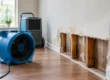
Time matters when water enters an office. Materials such as drywall, carpet backing, ceiling tiles, insulation, paper records, and upholstered furniture can retain moisture long after the visible water is gone. If drying is delayed, the affected area may expand behind walls, under flooring, or above suspended ceilings.
The immediate priority is to stop the water source and protect occupants from the affected area. Depending on the location and extent of damage, this may mean moving workstations, restricting access to a room, protecting nearby equipment, or temporarily closing a portion of the office. It does not always require shutting down an entire business. The right scope depends on the size of the condition, the materials involved, HVAC pathways, and whether the area is occupied.
Avoid running ordinary fans across visible growth or removing damaged materials without containment. Those actions can distribute particles into adjacent rooms and make cleanup more complicated. A professional assessment determines whether controlled drying is enough or whether affected porous materials need to be removed under containment.
Why Visual Inspection Alone Is Not Enough
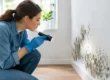
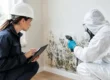
Visible mold is useful evidence, but it is not the complete picture. Growth can be hidden behind baseboards, inside wall cavities, beneath carpet, or above ceiling systems. A qualified inspection uses moisture detection, building observations, and a review of the water event to determine the likely extent of impact.
Testing may also be appropriate when the source is unclear, when there are concerns about indoor air conditions, or when documentation is needed for property management, tenants, or restoration planning. Testing should answer a specific question. It should not be used as a fear-based sales tool or treated as a substitute for correcting visible moisture damage.
A Controlled Office Mold Recovery Process
A proper recovery plan should be written and specific to the building condition. It should identify the moisture source, affected areas, materials to be cleaned or removed, containment requirements, and the steps needed to protect workers and occupants. This creates accountability before work begins.
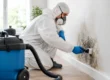
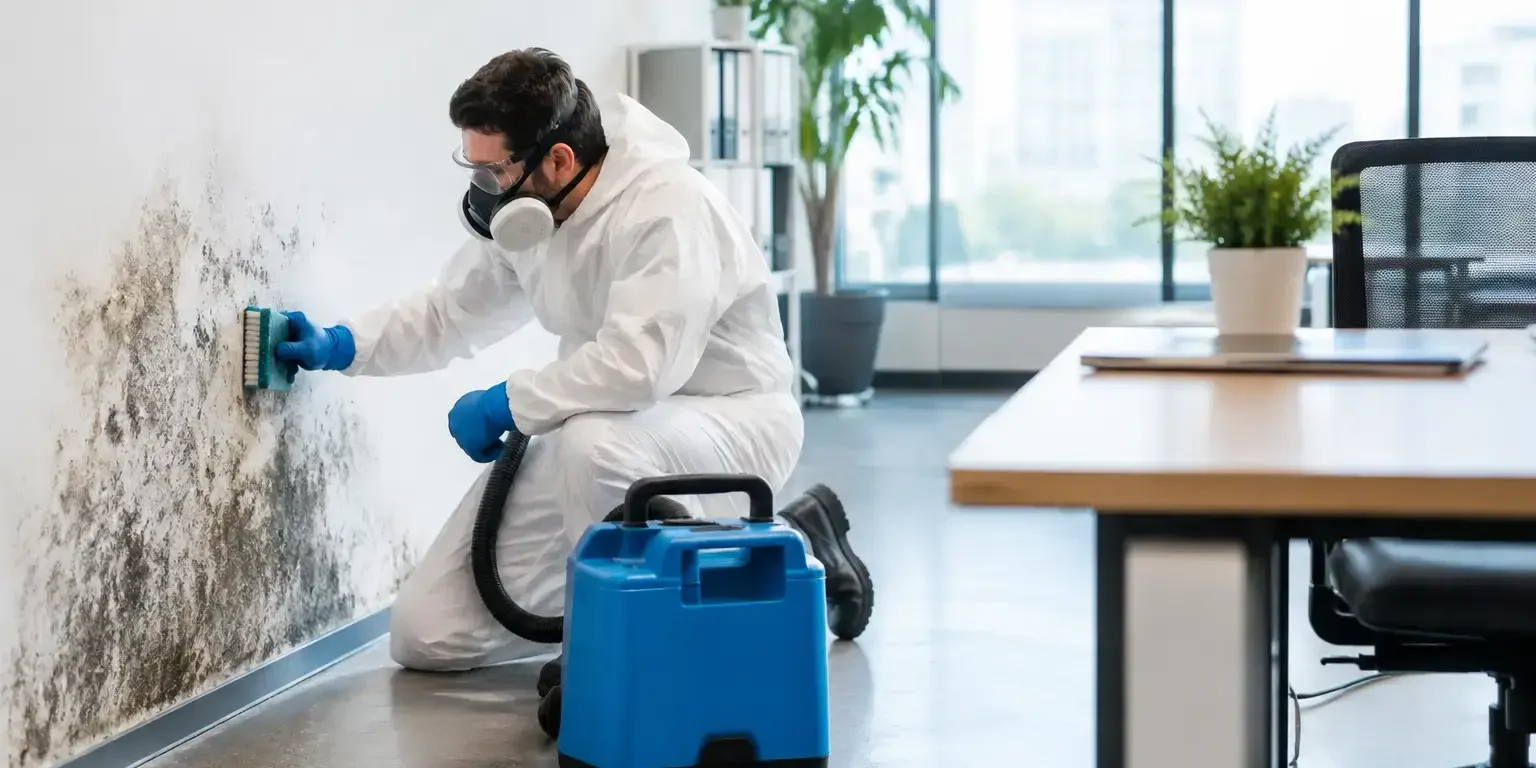
Containment is especially important in commercial settings. Plastic barriers, controlled entry points, negative air equipment when appropriate, and HEPA filtration help keep the work area separated from occupied spaces. The exact setup depends on the project. A small, isolated area may require a different approach than widespread water damage across suites, corridors, or multiple floors.
Once the area is contained, technicians remove materials that cannot be reliably cleaned and dry structural components to appropriate moisture levels. Non-porous and semi-porous materials may be cleaned using methods suited to their condition and location. The objective is not to mask odor or discoloration. It is to remove contamination, address moisture, and leave the area clean and dry.
After cleaning, the containment is not simply taken down because the work appears finished. A final visual review, moisture verification, and, when the project calls for it, post-remediation testing provide a more defensible basis for reopening the space. This documentation is particularly valuable for multi-tenant offices, medical and professional suites, schools, property managers, and businesses with compliance obligations.
Protecting Business Operations During Remediation
The best remediation plan balances safety with continuity. In some cases, work can be scheduled after hours or completed in phases so unaffected departments remain open. In others, temporary relocation is the safer choice. Trying to keep everyone working immediately beside an active remediation area is rarely a sensible trade-off.
Clear communication reduces disruption. Employees should know which areas are restricted, where to report new leaks or odors, and when normal access will resume. Property managers should coordinate with tenants, maintenance teams, and any vendors whose systems may be involved in the moisture issue. A single point of contact helps prevent conflicting instructions and overlooked details.
Documentation also matters. Keep records of the initial water event, inspection findings, repair work, remediation scope, photos, moisture readings, and final clearance information. These records can support maintenance planning, tenant communication, insurance discussions, and future building decisions.
Common Mistakes That Lead to Repeat Mold Problems
The most common error is treating the visible growth while leaving the moisture source unresolved. Painting, bleaching, or applying odor-covering products may temporarily change how the space looks or smells, but they do not repair a roof leak, plumbing failure, drainage issue, or HVAC condensation problem.
Another mistake is hiring a general cleaning crew without confirming its experience in containment and moisture control. Office environments contain return-air pathways, shared walls, electronics, files, furniture, and occupied areas that require careful planning. Improper cleanup can spread the issue farther than the original water damage.
It is also unwise to assume every stain is mold or every odor means a major contamination event. An experienced specialist should distinguish between an active moisture problem, old staining, ordinary dust accumulation, and conditions that require a formal remediation protocol. Accurate diagnosis prevents both underreaction and unnecessary expense.
When to Call a Certified Mold Professional
Professional help is warranted when growth is visible, water damage was extensive, odors persist after drying, ceiling or wall materials remain damp, or occupants continue reporting concerns in a specific area. It is also appropriate when a business needs documentation before reopening a space or when the scope of damage is uncertain.
Certified Mold Removal Inc. provides inspection, testing, written remediation protocols, source-focused repair coordination, and controlled cleanup for commercial properties. For offices in Monmouth County and surrounding service areas, rapid response can limit downtime while protecting the people who use the building every day.
A clean-looking office is not always a recovered office. The most reliable next step is to identify the moisture source early, document the condition, and use a qualified team that can restore the space with care, control, and a clear standard for safe reoccupancy.