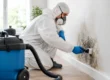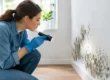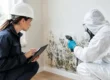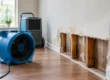
A wet ceiling, overflowing appliance, flooded basement, or hidden pipe leak can turn into a much larger problem faster than most property owners expect. Water damage is not only about what can be seen on the floor or wall. Moisture can travel behind drywall, under flooring, into insulation, and through framing cavities where it continues affecting materials long after the visible water is gone.
The first 24 to 48 hours matter most. Prompt, controlled action can reduce repair costs and limit conditions that support mold growth. The goal is not to panic or assume the worst. It is to stop the source, protect people from hazards, document the loss, and make sound decisions about drying and professional assessment.
Water Damage Starts With Source Control
Before anyone begins cleanup, the source of the water must be identified and stopped. A supply line leak, failed water heater, roof intrusion, appliance overflow, plumbing backup, and storm-related flooding do not present the same risks or require the same response.
If water is near electrical outlets, appliances, a breaker panel, or wiring, do not enter the affected area until it is safe to do so. Shut off power to the affected zone only if it can be done without standing in water. If there is any uncertainty, contact a qualified electrician or emergency restoration professional.
Next, shut off the water supply if a plumbing failure is involved. For an appliance issue, turn off the appliance and its water connection. With roof or storm leaks, temporary containment may be necessary, but the exterior source still needs correction. Drying a room without fixing the leak only delays the next incident.
This is a critical distinction in mold prevention: removing moisture is necessary, but source correction comes first. A dehumidifier cannot solve an active leak behind a wall.
Know What Kind of Water You Are Dealing With
Not all water exposure should be handled the same way. Clean water from a broken supply line may be manageable in a limited area when addressed immediately. Water from a dishwasher, washing machine, or other appliance can become more contaminated depending on where it has traveled and how long it has remained stagnant.
Water from sewage backups, toilet overflows involving waste, outdoor flooding, or groundwater intrusion requires greater caution. It may contain bacteria, chemicals, or other contaminants. Do not use household fans to spread potentially contaminated water through a building, and do not attempt to salvage porous materials that may be unsafe to clean.
The amount of water also changes the response. A small, contained spill on a nonporous floor is different from water that has soaked carpet padding, traveled below a finished basement floor, or stained a ceiling. Surface drying alone does not confirm that building materials are dry inside.
What to Do Immediately After Water Damage
Once the area is safe and the source has been stopped, take clear photos and videos before moving damaged belongings. Documentation helps establish what happened, where the water traveled, and which materials were affected. It can also be useful for insurance discussions and repair planning.
Move dry, undamaged belongings away from the affected area. Raise furniture off wet flooring when possible, but avoid dragging heavy items across saturated carpet or hardwood. Remove wet rugs, books, cardboard, fabrics, and other absorbent belongings that can hold moisture against floors and walls.
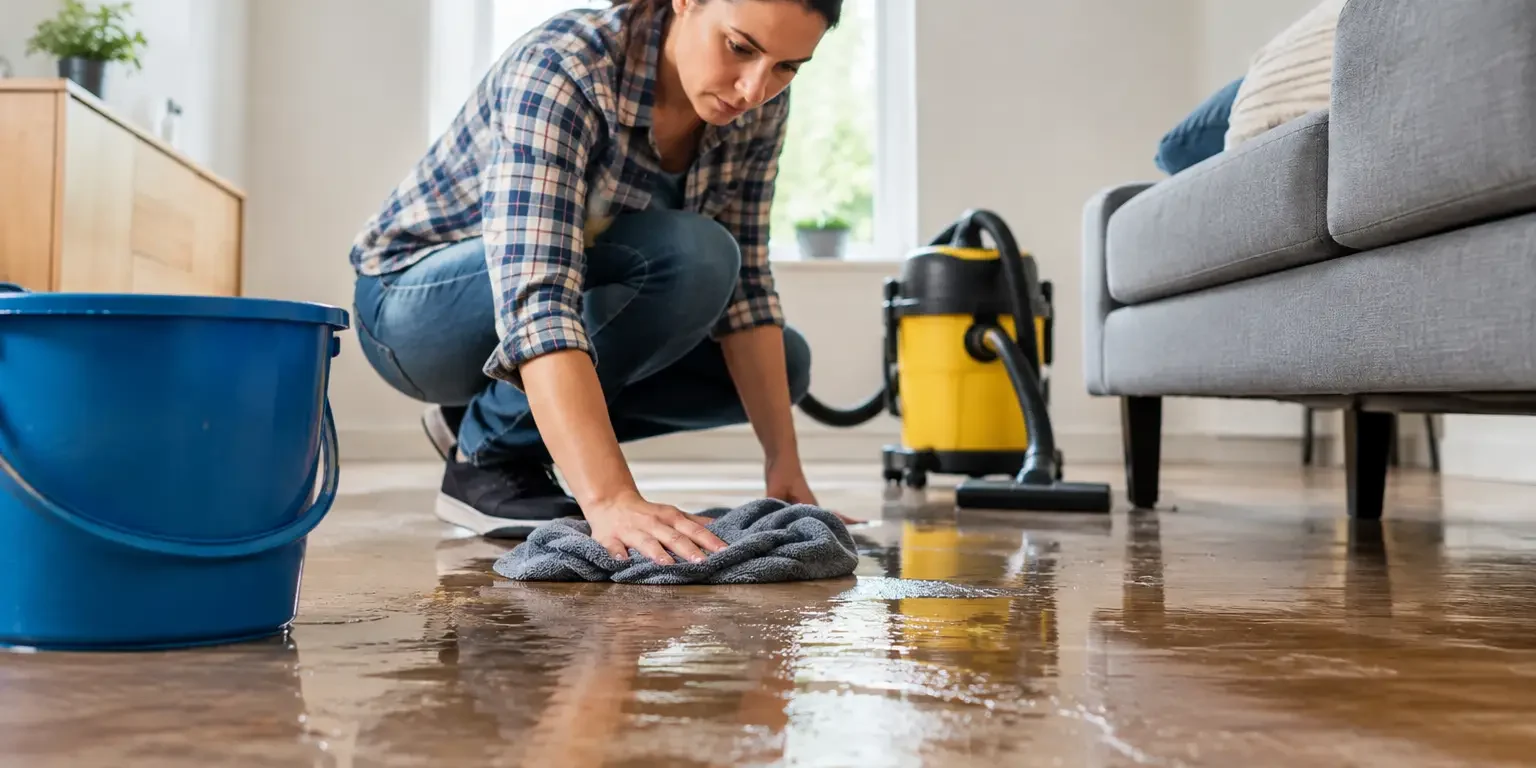
For a small clean-water event, use towels, a wet vacuum, and controlled ventilation to remove standing water. Air conditioning and dehumidification can help lower indoor humidity, but only after the active water has been extracted. Open windows only when outdoor conditions are drier than the indoor air. During humid New Jersey summers, opening windows may add moisture rather than remove it.
Avoid tearing out walls, pulling up flooring, or applying chemicals before the affected area has been evaluated. Some materials can be dried in place. Others cannot. Unnecessary demolition can increase repair costs, spread dust, and conceal the original conditions needed for a proper assessment.
Why the First 48 Hours Matter
Moisture does not remain stationary. It wicks upward into drywall, migrates under baseboards, absorbs into wood framing, and becomes trapped beneath floor coverings. By the time a stain appears, water may have already spread beyond the visible damage.
Mold can begin growing when damp materials remain wet for an extended period, often within 24 to 48 hours under favorable conditions. That does not mean every water incident becomes a mold emergency. It does mean that waiting for a musty smell or visible discoloration is not a reliable plan.
A professional moisture assessment uses appropriate equipment to identify elevated moisture in materials that may look dry at the surface. This is particularly valuable after a ceiling leak, basement flood, plumbing leak behind a wall, or water intrusion beneath hardwood, laminate, vinyl, or carpet.
The practical question is not simply, “Is the floor dry now?” It is, “Are the affected building materials dry enough to prevent further deterioration and microbial growth?” Those are not always the same answer.
Water Damage and Hidden Mold Risks
A damp smell, peeling paint, warped baseboards, bubbling drywall, repeated condensation, or unexplained allergy-like symptoms can indicate moisture problems that deserve investigation. Still, visible staining or a musty odor alone cannot tell you the full extent of contamination. Not all mold is dangerous, and not every dark mark is mold. Accurate diagnosis matters.
The greatest mold risk occurs when water damage is incomplete or improperly dried. A contractor may replace a stained section of drywall while leaving damp insulation or framing behind it. A homeowner may run fans for a day, reinstall furniture, and assume the problem is resolved. These approaches can leave a hidden moisture reservoir in place.
When mold is suspected, the right process begins with identifying the water source and evaluating the affected area. Testing may be appropriate in some situations, especially when there are hidden conditions, health concerns, disputed conditions, or a need for documented findings. Testing without a careful inspection, however, does not solve the underlying moisture problem.
When Professional Help Is the Safer Choice
Call for qualified water and mold remediation support when water has affected more than a small, easily dried area; when contaminated water may be involved; when a leak occurred inside a wall, ceiling, or floor system; or when materials have remained wet for more than a day or two.
Professional involvement is also wise if occupants include people with respiratory sensitivities, young children, older adults, or individuals with compromised immune systems. The concern is not to create fear. It is to prevent a manageable water event from becoming a larger indoor air quality and property damage issue.
Ask practical questions before hiring anyone. Will they identify and document the moisture source? How will they determine the extent of wet materials? What containment measures will be used if mold is found? Will the work follow recognized industry standards, and will you receive a written scope or remediation protocol when appropriate?
Certified Mold Removal Inc. approaches water-related mold concerns by focusing on diagnosis before removal. That means locating the moisture source, assessing affected materials, and recommending a controlled solution rather than selling unnecessary work based on fear.
Protect the Property After Initial Drying
Even after visible water has been removed, continue monitoring the area for several days. Watch for new staining, soft drywall, flooring movement, persistent odors, rising humidity, or condensation. Do not cover damp surfaces with paint, new flooring, or furniture. Covering moisture can trap it and create a more expensive repair later.
For property managers and business owners, document the incident, affected units or rooms, response timing, and all corrective steps. Quick records support maintenance planning and demonstrate that the issue was addressed responsibly. In occupied buildings, clear communication also helps residents and employees understand which areas are safe to use and which are temporarily restricted.
Water damage does not always require major demolition or a large remediation project. It does require an honest assessment and timely action. Stop the water, remove standing moisture safely, verify that hidden materials are drying properly, and bring in certified help when the scope or contamination risk is beyond a simple cleanup. A fast, measured response protects the building and the people inside it.