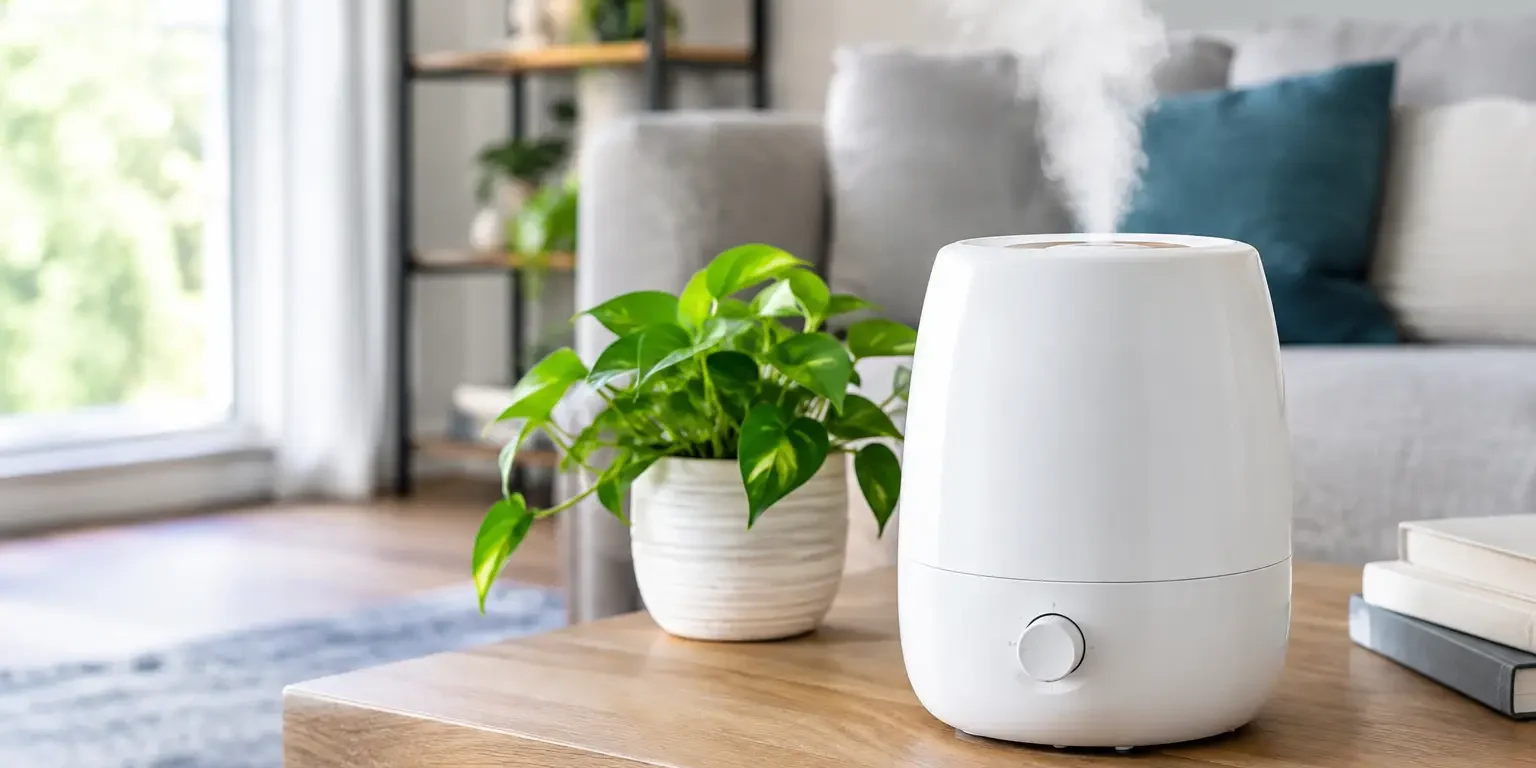
A basement that smells musty after rain, bedroom windows that sweat in winter, or a bathroom that stays damp long after a shower are not minor comfort issues. They are signs that moisture is staying where it should not. The best ways to control humidity start with identifying where that moisture is coming from, then correcting the building conditions that allow it to linger.
Indoor humidity affects more than how warm or sticky a room feels. Persistent moisture can damage finishes, warp wood, attract pests, worsen indoor air quality, and create conditions that support mold growth. Mold is not automatically dangerous, and a stain is not always mold, but recurring dampness should never be ignored.
Start With the Right Indoor Humidity Range
For most homes and businesses, a relative humidity level between 30% and 50% is a practical target. In hot, humid weather, staying near the lower end of that range can make a noticeable difference. During cold Northeast winters, indoor humidity may need to be lower to prevent condensation on windows, exterior walls, and cold surfaces.
A basic digital hygrometer provides a useful starting point. Place one in the basement, one near a problem bathroom or bedroom, and another in any space that has had water damage. Readings above 60% for extended periods are a warning sign, especially if they occur alongside odors, condensation, peeling paint, or visible spotting.
One measurement does not tell the whole story. Humidity often changes by floor, room, time of day, and weather conditions. A finished basement may look dry while the storage area behind a wall or under carpeting remains damp. Tracking readings for several days helps distinguish a brief weather-related spike from an ongoing moisture problem.
Best Ways to Control Humidity at the Source
The most effective humidity control is not simply adding equipment. It is stopping unnecessary moisture from entering the building and removing moisture created indoors. A dehumidifier can be valuable, but it should not be used to mask a leaking pipe, drainage failure, or ventilation problem.
Correct water intrusion before treating the air
Look for conditions that bring water into the structure: roof leaks, deteriorated flashing, plumbing drips, overflowing gutters, cracked foundation areas, poorly sloped landscaping, and water entering around windows or doors. In basements and crawl spaces, damp soil, wall seepage, and seasonal groundwater can create a constant moisture load.
Outside drainage matters more than many property owners realize. Gutters should move water away from the foundation, downspouts should discharge well away from the building, and grading should direct surface water away rather than toward exterior walls. If water appears after rain, do not assume a portable dehumidifier will solve it. The source needs to be diagnosed and corrected.
Vent moisture-producing rooms outdoors
Bathrooms, kitchens, laundry rooms, and utility areas produce substantial moisture in a short time. Exhaust fans should vent outdoors, not into an attic, crawl space, ceiling cavity, or garage. A fan that runs but does not actually exhaust outdoors can move the problem out of sight while allowing moisture damage to develop elsewhere.
Run the bathroom fan during showers and for at least 20 to 30 minutes afterward. In kitchens, use a range hood that vents outside when boiling water, cooking for long periods, or running a dishwasher. Dryers should have intact, properly connected exterior venting, with lint removed routinely. A disconnected dryer duct can introduce a surprising amount of warm, wet air into a laundry area.
Use air conditioning and dehumidification strategically
Air conditioning removes humidity as it cools, but it does not always run long enough to manage moisture during mild, rainy weather. If your home feels clammy while the temperature is comfortable, a dedicated dehumidifier may be necessary. Choose a unit sized for the space and moisture conditions, and make sure it has a reliable drain setup or is emptied consistently.
For a basement, select a dehumidifier designed for lower temperatures and place it where air can circulate freely. Keep doors and windows closed while it runs. Emptying a small reservoir every day may be manageable, but a continuous drain line or condensate pump is usually more dependable for ongoing basement humidity.
Whole-house dehumidification can be appropriate for larger homes, properties with multiple damp areas, or buildings where central HVAC is already being upgraded. It costs more upfront, but it can provide steadier humidity control without relying on several portable units. The right solution depends on the building layout, HVAC capacity, and whether there is an active moisture source.
Reduce Condensation on Cold Surfaces
Condensation happens when humid indoor air contacts a surface cold enough to reach its dew point. It is common on older windows, exterior corners, uninsulated pipes, and poorly insulated sections of a building. Repeated condensation can wet drywall, trim, framing, and flooring even when there is no obvious leak.
Lowering indoor humidity is part of the answer, but insulation and air sealing may also be needed. Insulate cold water pipes that sweat, seal gaps around penetrations and exterior openings, and address poorly insulated wall or attic areas when feasible. Window condensation can also signal that indoor humidity is too high for outdoor temperatures, not necessarily that every window must be replaced.
Do not block supply or return vents with furniture, storage, or heavy drapes. Consistent air movement helps surfaces dry and reduces stagnant pockets where dampness can persist. This is particularly important behind large furniture placed against exterior walls and in closets along cooler parts of the home.
Pay Close Attention to Basements, Crawl Spaces, and Attics
These areas are frequent humidity trouble spots because they are often cooler, less ventilated, and more vulnerable to outside moisture. A basement may need waterproofing, drainage correction, sealing, or dehumidification. The appropriate fix depends on whether the moisture is coming through the foundation, from plumbing, from condensation, or from humid outdoor air.
Crawl spaces require a similarly careful approach. Leaving vents open may seem logical, but in humid summer conditions it can introduce more moisture rather than dry the space. Encapsulation, ground vapor barriers, controlled ventilation, and dehumidification are options that should be selected based on the structure and local conditions, not guessed at.
Attics should remain dry and properly ventilated, but excess bathroom or dryer exhaust can overwhelm the system. Frost on roof sheathing in winter, damp insulation, or staining on attic wood deserves prompt attention. These signs may point to air leaks from the living space, insufficient ventilation, or exhaust ducts terminating in the wrong location.
Know When Humidity Calls for a Professional Assessment
Some humidity problems are straightforward. Replacing a weak bath fan, cleaning a dryer vent, or running a correctly sized dehumidifier may resolve them. Others require professional investigation because the visible symptom is not the true source.
Arrange an assessment when you notice recurring musty odors, visible growth, unexplained stains, bubbling paint, warped flooring, repeated condensation, or humidity that remains above 60% despite normal ventilation and dehumidification. The same applies after a significant leak, flood, roof failure, or sewage backup. Quick drying matters, but so does determining whether moisture reached concealed materials.
A qualified mold professional should focus on diagnosis before proposing removal. At Certified Mold Removal Inc., the process begins by identifying moisture conditions and affected materials, then creating a scope of work that addresses the source as well as the cleanup. This protects occupants and helps prevent a costly cycle of recurring contamination.
Avoid spraying chemicals over visible growth or sealing over damp building materials. Those shortcuts may alter the appearance temporarily, but they do not correct the water source or safely address contamination. Containment, removal methods, and post-work cleaning should be based on the extent and location of the problem.
Make Humidity Control a Routine, Not a Reaction
Humidity is easier and less expensive to manage before it becomes a restoration issue. Check hygrometers weekly during wet weather, inspect under sinks and around appliances, clean gutters before heavy seasonal rain, and confirm exhaust fans are actually moving air outdoors. Property managers should include moisture checks in turnover and maintenance routines, especially in lower-level units and buildings with prior water events.
If dampness keeps returning, treat that pattern as useful evidence. A careful inspection can reveal whether the issue is ventilation, condensation, drainage, plumbing, or hidden moisture behind finished surfaces. Addressing the cause early is the most reliable way to protect indoor air, building materials, and the people who rely on the property.