A commercial mold protocol checklist is not a housekeeping list or a sales document. It is the written control plan that tells a property manager, remediation crew, and building occupants what happened, what must be corrected, how the affected area will be isolated, and how the work will be verified before normal use resumes. When moisture damage affects a workplace, retail space, school, medical office, or multifamily common area, that level of clarity protects people and prevents costly repeat contamination.
Not every mold concern requires the same scope of work. A small, surface-level condition caused by a brief leak is different from widespread growth behind finishes after a long-term roof, plumbing, or humidity problem. The protocol must reflect the actual conditions in the building, not a one-size-fits-all package.
Why Commercial Mold Work Needs a Written Protocol
Commercial properties have more moving parts than most homes. There may be employees, tenants, customers, maintenance staff, sensitive operations, shared HVAC systems, and lease obligations to consider. Closing off the wrong area or beginning demolition without a defined containment plan can spread dust and spores into occupied spaces and create operational disruption that was avoidable.
A proper protocol creates accountability. It identifies the moisture source, defines the affected materials and work boundaries, and establishes the protective measures needed before removal starts. It also gives the owner or manager a clear basis for comparing proposals. If a contractor cannot explain how the source will be corrected, what will be removed versus cleaned, and how the area will be cleared for reoccupation, the scope is incomplete.
The goal is not to create fear. Mold is a common result of moisture, and not all mold conditions present the same level of concern. The right response is a prompt, standards-based assessment followed by work that addresses the cause rather than covering up the evidence.
Commercial Mold Protocol Checklist: What It Should Cover
The checklist below reflects the major decisions that should be documented before and during commercial remediation. The exact methods depend on the building, the materials involved, the size of the affected area, and whether the space remains occupied.
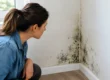
- Document the reported problem and building history. Record odors, visible staining, prior leaks, flooding, condensation, maintenance complaints, health-related occupant reports, and the dates they began. Review prior repairs when available. A recurring issue often indicates that an earlier repair treated the symptom but missed the moisture pathway.
- Identify and correct the moisture source. Trace water intrusion from roofing, windows, plumbing, drainage, exterior walls, mechanical equipment, condensation, or elevated indoor humidity. Remediation should not proceed as if source correction were optional. Materials can be cleaned or removed, but growth may return if moisture remains available.
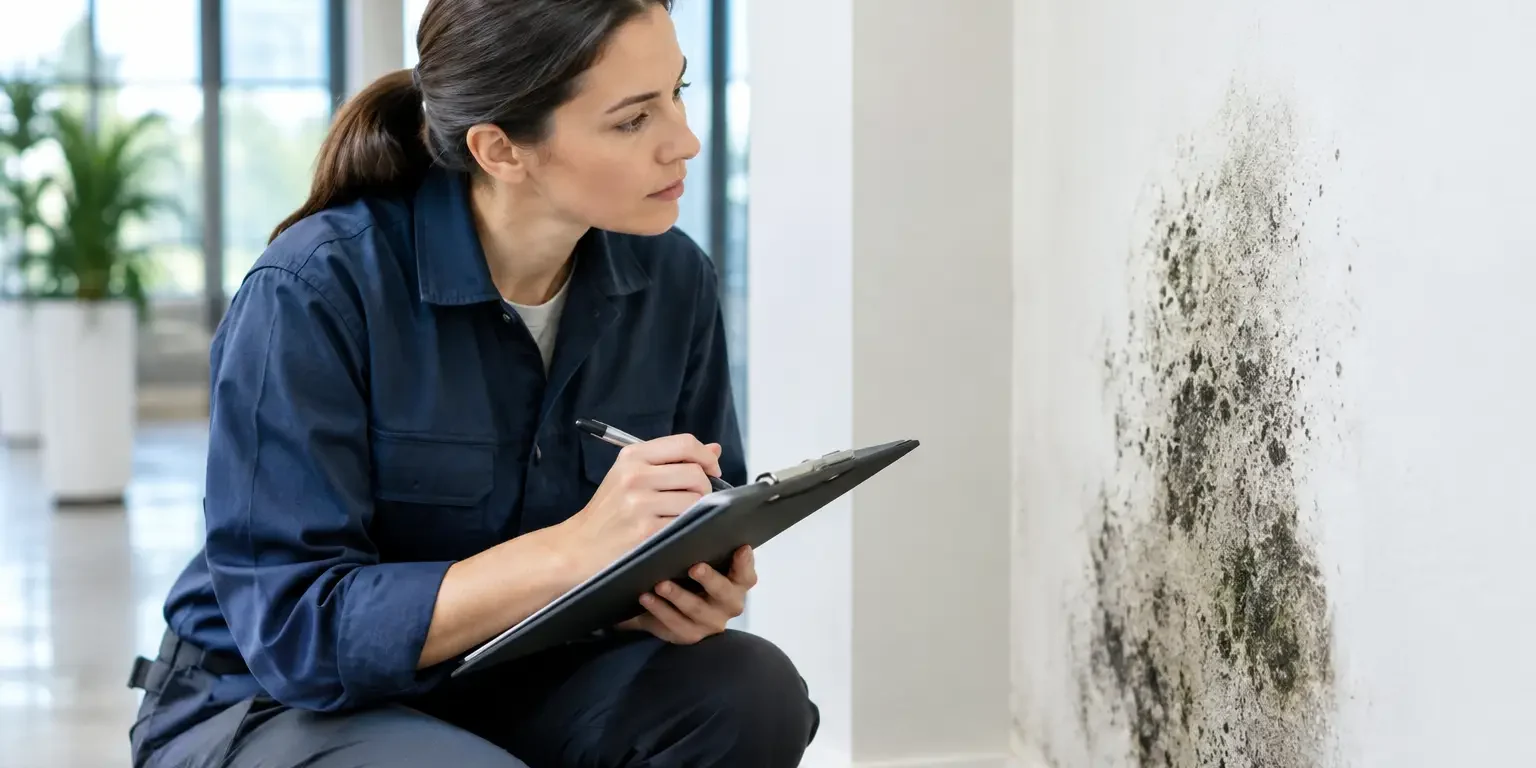
- Define the affected area and adjacent risk areas. The protocol should identify visible conditions as well as concealed areas that require investigation. This can include wall cavities, ceilings below leaks, flooring systems, crawlspaces, utility rooms, and spaces served by the same HVAC equipment. Moisture mapping and careful visual inspection help establish a reasonable work boundary.
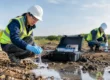
- Specify sampling or testing when it will answer a real question. Testing can be useful when conditions are hidden, when occupants report ongoing air-quality concerns, when a baseline is needed, or when verification calls for comparison. Testing should support a diagnosis, not replace one. A sample result without a documented moisture source and building inspection rarely gives a manager enough information to plan corrective work.
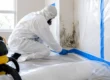
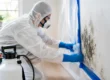
- Set containment and occupant-protection measures. The protocol should state whether the work area needs critical barriers, controlled entry, negative air pressure, equipment decontamination, and dust-control procedures. It should also address how workers will move materials out of the space without crossing clean occupied areas.
- Classify materials for cleaning, removal, or further evaluation. Nonporous materials may often be cleaned when structurally sound. Porous materials that have sustained significant contamination or water damage may require removal. The protocol should avoid vague language such as “treat all affected materials.” It should identify what stays, what goes, and why.
- Establish work practices and personal protection. This includes the methods for controlled removal, HEPA vacuuming, damp wiping, waste handling, and worker protective equipment. The level of protection must match the project conditions. A crew should never rely on odor-masking products, open demolition, or uncontained dry scraping as substitutes for proper controls.
- Create a drying, cleaning, and verification plan. The work is not finished when damaged material leaves the building. Remaining surfaces must be cleaned, moisture conditions must be normalized, and containment must be removed only after the area has passed visual and operational review. Where appropriate, post-remediation testing may be part of the clearance process.
Start With the Source, Not the Stain
The most expensive commercial mold failures begin with an incomplete diagnosis. A ceiling tile may show staining, but the real issue could be a roof penetration, a condensate line, an exterior wall leak, or humidity from an improperly balanced mechanical system. Replacing the tile without correcting the source only resets the clock.
For property managers, the investigation should also consider how water moves through the building. Water can travel along framing, pipes, ductwork, and floor assemblies before becoming visible. The area directly below a leak is not always the entire affected area. This is why trained inspection matters before a contractor begins removing finishes or applying antimicrobial products.
A written moisture-source finding should name the condition, the likely origin, the recommended repair, and who is responsible for completing it. In some cases, the repair can happen before remediation begins. In others, such as an active roof leak during severe weather, temporary protection and controlled remediation may need to proceed while permanent repairs are scheduled. The protocol should make that sequence clear.
Containment Protects the Rest of the Building
Containment is where commercial projects can either remain controlled or become much larger. Work such as opening walls, removing wet carpet, or disturbing ceiling systems can release dust from affected materials. Without barriers, pressure control, and managed pathways, that material can migrate into corridors, offices, storage areas, and HVAC returns.
The right level of containment depends on the scope. A small isolated condition in an unoccupied utility room may require a different setup than extensive damage in an occupied office suite or a tenant space connected to shared circulation areas. The protocol should spell out the boundary, access route, equipment placement, work hours, and communication plan for occupants.
For businesses that cannot fully close, phased work may be the practical answer. This can reduce disruption, but only if each phase is independently contained, cleaned, and released before staff return. Speed matters, but rushing containment to keep a space open can create a wider problem and a longer interruption later.
Decide What Can Be Saved With Care
Commercial owners understandably want to limit demolition and replacement costs. That is reasonable, provided the decision is based on material type, condition, and exposure rather than guesswork. Smooth, durable surfaces can often be detailed and cleaned effectively. Water-damaged drywall, insulation, ceiling tiles, upholstered materials, and other porous components may not be reliable candidates for cleaning when contamination is established.
The protocol should list each material category and the intended action. This keeps the crew from making inconsistent decisions in the field and helps managers understand the budget. It also prevents a common problem: removing visibly damaged material while leaving adjacent wet or contaminated components behind.
Documentation matters here. Photos, moisture readings, site notes, and material quantities support insurance discussions, tenant communications, and future property records. They also provide a useful reference if the building experiences another water event.
Verification Is the Point of Finish, Not a Formality
A space should not be considered complete simply because it looks clean. The final review should confirm that the moisture source has been corrected or controlled, affected materials were handled according to the protocol, the area is dry, and no visible debris or dust remains. Containment should be removed carefully so the cleanup process does not reintroduce material into surrounding areas.
Post-remediation verification may include a detailed visual inspection, moisture confirmation, documentation review, and, when justified by the project, clearance testing. The need for testing depends on the building use, the original conditions, the scale of remediation, and the expectations of owners, tenants, or insurers. It is not a substitute for good workmanship, but it can provide valuable objective confirmation after a significant project.
When to Bring in a Certified Mold Professional
Call for professional assessment promptly after a major water event, persistent moisture issue, visible growth that returns after cleaning, strong musty odors, or occupant complaints linked to a specific building area. Fast action limits material damage and can reduce the scope of containment and reconstruction.
For commercial properties throughout New Jersey and nearby service areas, Certified Mold Removal Inc. develops protocols around the actual building conditions, with the source correction and occupant protection treated as core requirements. The practical next step is to document the concern early, restrict disturbance of affected materials, and get a qualified assessment before a small moisture problem becomes a building-wide disruption.