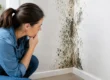
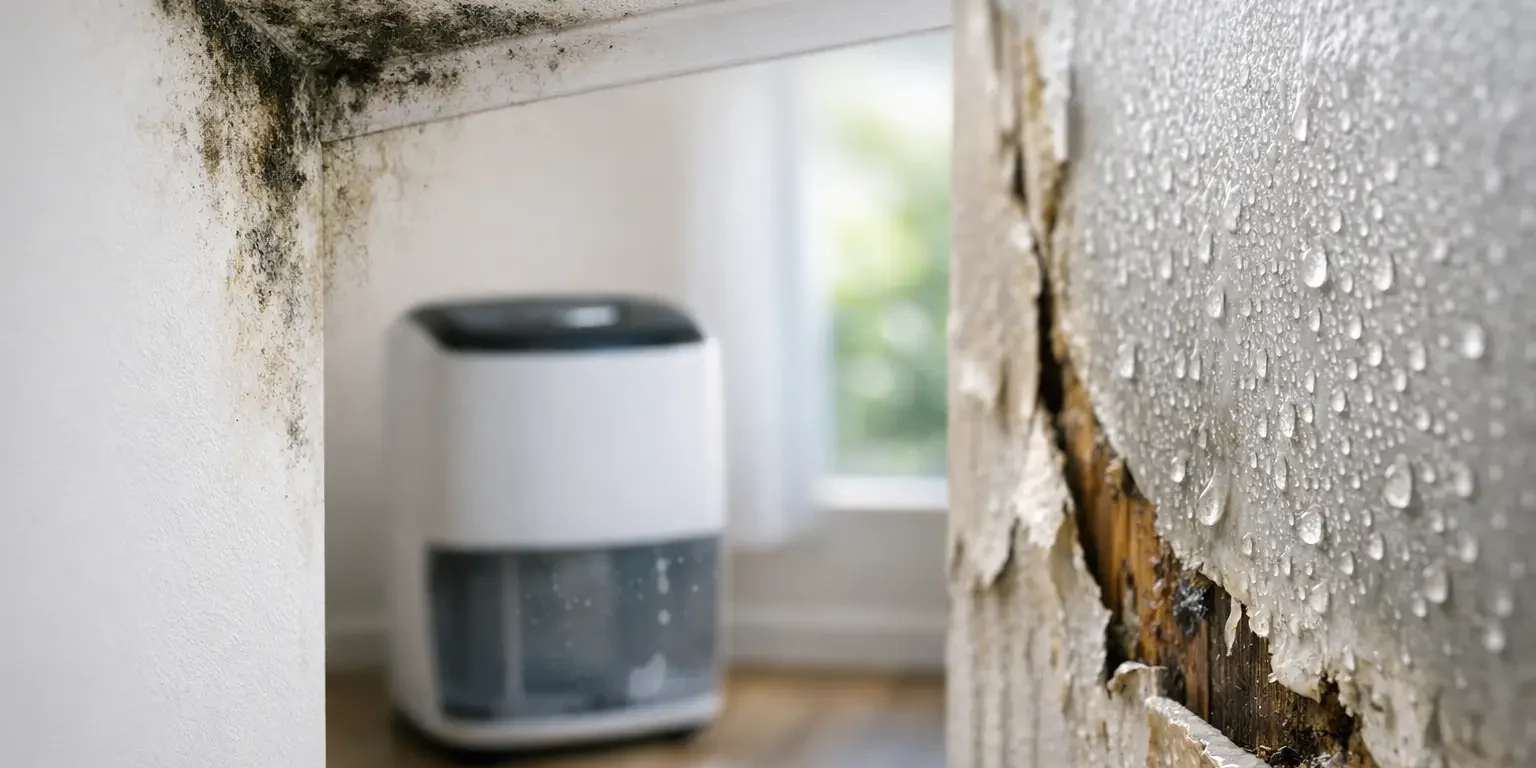
A basement wall looks clean, the odor is gone, and the damaged material has been removed. Then a few months later, dark spotting appears in the same corner. Can mold come back after removal? Yes – but a recurrence is not inevitable. In nearly every case, mold returns because the moisture condition that supported it was never fully corrected, or because the cleanup did not remove contamination safely and completely.
Mold is a natural part of the outdoor environment. It becomes a building problem when spores land on a damp indoor surface and have enough moisture, time, and organic material to grow. Removing what is visible is only one part of solving that problem. The lasting solution is to identify where the water or humidity came from, correct it, and remediate affected materials under proper containment.
Why Mold Comes Back After Removal
Mold does not need a dramatic flood to return. A slow plumbing leak inside a wall, condensation around a cold pipe, a roof leak, poor drainage near a foundation, or chronically high indoor humidity can create the conditions for repeat growth. The original stain may be gone, but the building material can become damp again.
This is why surface cleaning alone is often not enough. If mold has grown on porous materials such as drywall, insulation, carpet backing, ceiling tiles, or unfinished wood, spores and growth may extend beneath the surface. Painting over a stain or spraying a fragrance to cover an odor does not address moisture or embedded contamination. It may delay the visible evidence while growth continues out of sight.
Improper remediation can also cause mold to spread. Disturbing contaminated drywall, insulation, or contents without containment can release particles into nearby rooms and the HVAC system. A contractor who begins demolition before diagnosing the water source can leave the property with a cleaner-looking area but the same underlying problem.
The Difference Between Mold Removal and Mold Remediation
“Mold removal” is a common phrase, but it can suggest that every mold spore can be eliminated from a building. That is not a realistic standard. Spores are present in normal indoor and outdoor air. The objective of professional mold remediation is to return the affected area to normal conditions by removing active growth and contaminated materials where necessary, cleaning remaining surfaces appropriately, and preventing the moisture condition from recurring.
A sound process starts with diagnosis. An inspection should evaluate the visible area, nearby building materials, moisture patterns, likely water pathways, ventilation, and any signs that the issue extends beyond what can be seen. When testing is appropriate, samples can help clarify the indoor conditions and support a written remediation protocol.
The protocol should define the work clearly: what materials need removal, how the work area will be contained, what cleaning methods are appropriate, how dust and particles will be controlled, and what must be repaired before the space is closed back up. This protects homeowners, tenants, employees, and the workers performing the job.
Moisture Control Is What Prevents a Return
The most reliable answer to “can mold come back after removal” is to treat water control as part of the remediation, not as an afterthought. Mold will not continue growing without moisture. That makes source correction the most important long-term protection.
For a plumbing leak, the repair may be straightforward, but the wall cavity and surrounding materials still need to be evaluated for retained moisture. For a roof leak, the roof repair should be followed by an inspection of insulation, sheathing, ceilings, and framing below the leak path. In basements and crawl spaces, the source may involve foundation seepage, poor exterior grading, a failed sump system, or humid air condensing on cool surfaces.
Humidity deserves special attention in coastal and seasonal climates. In New Jersey, a basement can remain damp through much of the warmer season even without obvious water intrusion. Bathrooms, laundry rooms, kitchens, and poorly ventilated bedrooms can also hold enough moisture for mold growth. A dehumidifier may help in some cases, but it is not a substitute for correcting leaks, drainage failures, or inadequate exhaust ventilation.
Signs the Problem May Not Be Fully Resolved
A return of visible mold is an obvious warning, but it is not the only one. Persistent musty odors, peeling paint, warped trim, water stains, condensation on windows or pipes, and recurring dampness all deserve attention. These signs do not automatically mean there is a major mold problem. They do mean the moisture issue should be investigated before damage worsens.
Pay attention to timing as well. If an odor returns after heavy rain, the cause may be related to the roof, exterior walls, window openings, or foundation. If it develops after showers, cooking, or laundry, ventilation and indoor humidity may be contributing. If the odor is strongest near an HVAC return or supply vent, a qualified professional should assess the area carefully rather than assuming the ductwork is the source.
For property managers and business owners, repeat moisture problems can affect more than one unit or room. A leak from an upper-floor bathroom, a failed building envelope detail, or inadequate ventilation can create similar conditions across multiple spaces. Documenting the pattern early helps prevent piecemeal repairs that miss the common cause.
When Cleaning Is Reasonable and When It Is Not
Small, isolated surface growth on a hard, nonporous material may sometimes be addressed through careful cleaning and drying, provided there is no ongoing water issue and the material is not damaged. Even then, avoid dry scraping or aggressive sanding that can spread particles. Wear appropriate protective equipment, ventilate the area where practical, and correct the moisture source first.
Professional help is the safer choice when growth covers a large area, returns after prior cleaning, follows water damage, affects porous materials, appears inside a wall or ceiling cavity, or is accompanied by persistent odors. The same applies when occupants have heightened health concerns or when the affected space is a rental property, workplace, school, medical setting, or other occupied commercial environment.
The trade-off is simple. A quick cosmetic cleanup can cost less initially, but it can become expensive if moisture continues behind finished surfaces. A thorough inspection and standards-based remediation may require more planning up front, yet it is designed to protect the building and reduce the likelihood of repeat work.
What Proper Remediation Should Include
A credible remediation plan is tailored to the property. It should not rely on a one-size-fits-all promise or fear-based claims that every type of mold is automatically dangerous. The actual conditions matter: the moisture source, the amount of damage, the materials involved, the location of the affected area, and whether contamination may have spread.
For more significant projects, proper work generally includes controlled containment, protection of unaffected areas, removal of unsalvageable porous materials, detailed cleaning of surfaces and contents as appropriate, and controlled drying. Repairs should only proceed after the moisture source has been corrected and the affected area is dry. If walls or ceilings are closed too soon, trapped moisture can restart the problem.
At Certified Mold Removal Inc., the emphasis is on diagnosing the cause before remediation begins. That approach helps homeowners and property decision-makers avoid paying for repeated cleanup when the real issue is a leak, drainage defect, humidity condition, or ventilation failure that still needs correction.
How to Protect the Property After the Work Is Done
After remediation, routine building maintenance matters. Check under sinks and around appliances for slow leaks. Keep bathroom exhaust fans running long enough to remove humid air. Address roof, window, and exterior drainage issues promptly. In basements, monitor humidity and inspect after significant storms. If a water event occurs, dry affected materials quickly rather than waiting to see whether an odor develops.
Keep records of repairs, moisture readings when available, photographs of affected areas, and the remediation scope. This documentation is useful for homeowners protecting property value and for managers responsible for tenant safety and building maintenance.
If mold returns, do not assume the prior work failed without investigating the conditions. The recurrence may be in a new location, caused by a new water event, or connected to a hidden source that was not apparent before. A prompt, professional assessment can separate a minor surface issue from a building moisture problem that needs immediate correction.
A clean-looking wall is reassuring, but a dry, properly repaired building is what keeps it that way. When moisture and contamination are addressed together, mold recurrence becomes far less likely – and occupants can move forward with confidence.