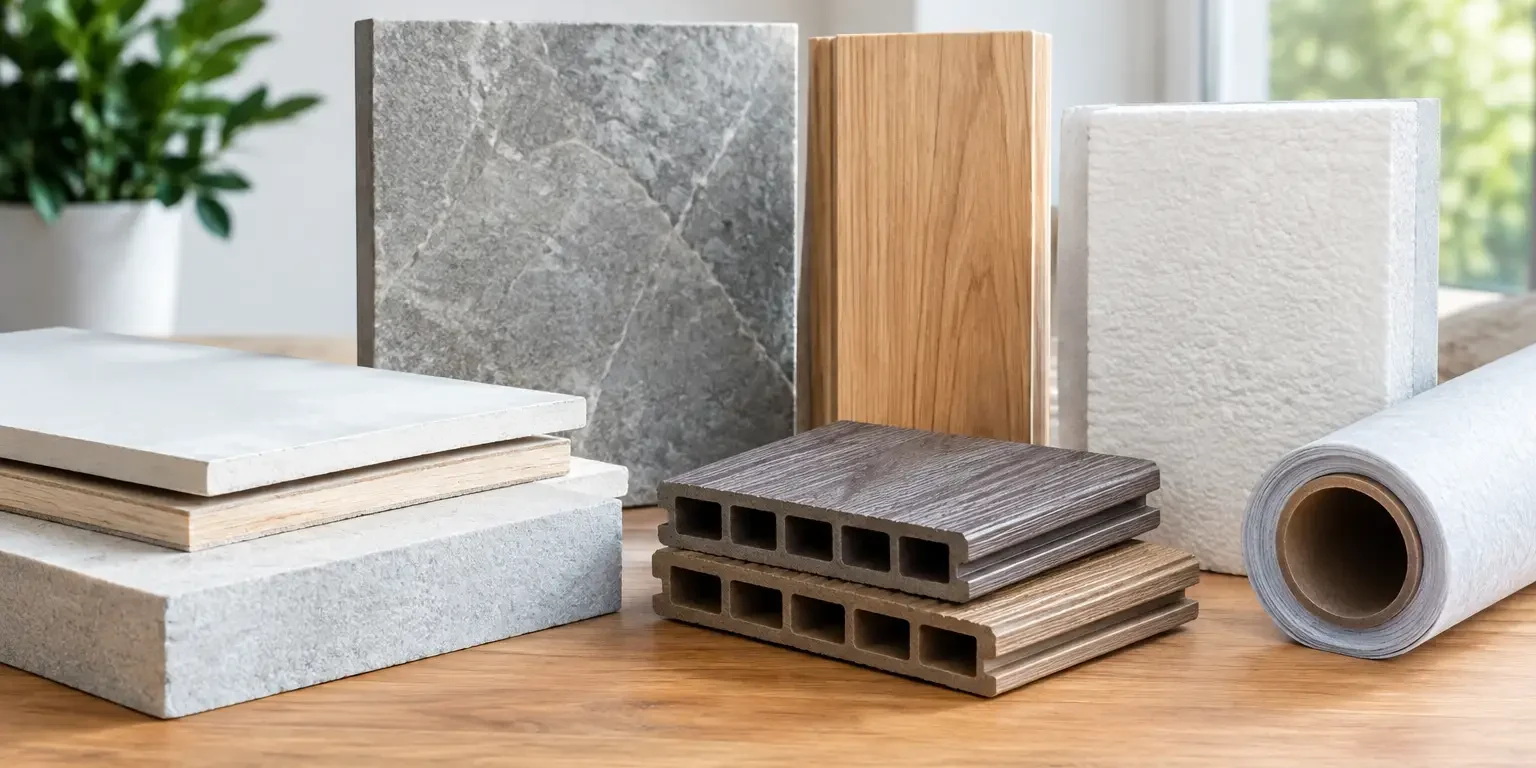
A basement renovation can look flawless on day one and still become a mold problem months later if the wall assembly traps moisture. The best mold resistant building materials reduce the amount of organic material available for growth, tolerate occasional wetting better, and make it easier to dry a space after a leak or humidity event. They are not a substitute for correcting water intrusion, plumbing leaks, or poor ventilation. They are one part of a building system that must stay dry.
For homeowners, property managers, and business owners, the right material choices are especially valuable in bathrooms, basements, laundry rooms, kitchens, mechanical rooms, and commercial spaces with frequent cleaning or high humidity. The goal is not to buy products marketed as “mold-proof.” No common building can promise that. The goal is to select materials that do not feed mold and to build in a way that allows moisture to escape or dry quickly.
What Makes a Building Material Mold Resistant?
Mold needs moisture, oxygen, and a food source. It commonly feeds on paper facing, wood fibers, dust, adhesives, and other organic debris. A mold-resistant material is generally nonporous or inorganic, meaning it provides little or no food for mold. Cement board, metal framing, tile, and solid-surface finishes perform better than paper-faced drywall or untreated wood when moisture is likely.
That distinction matters, but material selection alone cannot solve a wet-building problem. Mold can grow on dust settled over tile, metal, or plastic if the area remains damp. A bathroom with a failing exhaust fan, a basement with foundation seepage, or a roof leak above a ceiling still requires source correction first. Covering a problem with better materials may delay visible damage while allowing concealed contamination to continue.
Best Mold Resistant Building Materials by Application
Cement Board and Fiber-Cement Panels
Cement board is one of the strongest choices behind tile in showers, tub surrounds, and other wet areas. It is primarily made from cement and reinforcement materials rather than paper-faced gypsum. When installed correctly, it holds up far better than standard drywall if water reaches the wall assembly.
Fiber-cement panels can also be useful in certain interior or exterior applications, depending on the product and installation requirements. Neither material is automatically waterproof. In a shower, a properly detailed waterproofing membrane, sealed penetrations, and sound tile work remain essential. Cement board resists mold growth, but it can still allow water to pass through if the rest of the assembly is not designed correctly.
Mold-Resistant Drywall for Moderately Damp Areas
Mold-resistant drywall is often a practical upgrade for powder rooms, finished basements, laundry rooms, and walls near plumbing. Many products replace traditional paper facing with fiberglass mat facing, which removes one of mold’s preferred food sources. It is a better option than standard drywall where humidity or minor moisture exposure is possible.
It is not the right material for a shower enclosure, a chronically wet basement wall, or an area with an active leak. It is also not a reason to ignore damp insulation or wet framing behind the wall. Use it where the room is expected to remain dry under normal conditions, not as a patch for ongoing water problems.
Porcelain Tile, Ceramic Tile, and Solid-Surface Finishes
Porcelain tile is dense, durable, and highly water resistant, making it a dependable finish for bathrooms, entryways, laundry rooms, and commercial restrooms. Ceramic tile is also a sound choice when it is properly installed and maintained. Both are inorganic surfaces that do not provide a food source for mold.
The weak point is usually not the tile. It is the grout, caulk, backing material, or failed waterproofing behind it. Cracked grout and deteriorated caulk should be addressed promptly because they can direct water into concealed areas. In high-use showers, a well-built tile system should include appropriate waterproofing behind or beneath the finished surface, not simply tile adhered to a wallboard.
Solid-surface wall panels and shower surrounds can be another effective option. With fewer joints than tile, they can be easier to clean and leave fewer places for water to enter. The trade-off is appearance and repair flexibility. Tile offers more design options, while solid panels can simplify maintenance in rental units, hotels, and busy family bathrooms.
Metal Studs and Moisture-Resistant Framing Choices
Galvanized steel studs are nonorganic and will not support mold growth the way wood framing can. They are often a sensible choice for commercial interiors and for some residential basement finishing projects. Metal framing is not immune to moisture damage, however. Persistent water exposure can lead to corrosion, and wet insulation or debris collected around framing can still support mold.
When wood framing is necessary, the priority is keeping it dry. Pressure-treated lumber may be appropriate where wood contacts concrete or masonry, subject to local code and the specific application. It should not be treated as a solution for flooding, leaks, or high humidity. Moisture control remains the protection that matters most.
Closed-Cell Spray Foam and Rigid Foam Insulation
Traditional fiberglass insulation can hold dust and moisture, especially when a wall or ceiling cavity has been exposed to water. Once wet, it can be difficult to dry completely in place. In appropriate assemblies, closed-cell spray foam and rigid foam insulation offer better resistance to moisture absorption and provide less organic material for mold growth.
These products must be selected and installed carefully. Spray foam is not appropriate for every building assembly, and improper application can create moisture-management issues of its own. Rigid foam also requires proper fire protection and detailing. A contractor should evaluate vapor movement, drainage, and local code requirements before sealing a wall or roof assembly.
PVC, Composite, and Plastic Trim Products
In bathrooms, basements, utility spaces, and exterior transitions, PVC trim and other nonwood trim products can reduce the risk of swelling, rot, and mold growth associated with repeated moisture exposure. They are particularly useful around window returns, baseboards in lower-level rooms, and areas where cleaning or splashing is frequent.
The trade-off is cost and appearance. Some property owners prefer the look and repairability of painted wood trim. If wood is used, keep it away from persistent moisture, maintain paint and caulk, and investigate discoloration or soft spots before they become a larger repair.
Materials That Need More Caution
Paper-faced drywall, particleboard, MDF, carpet padding, cellulose-based ceiling tiles, and unfinished wood are more vulnerable when moisture enters the building. That does not mean these materials are always wrong. In dry, well-controlled rooms, they may perform well for years. The concern rises when they are installed below grade, near pipes, under rooflines, or in rooms with poor ventilation.
Carpet deserves particular caution in basements and areas with a history of water intrusion. Even when the carpet surface looks dry, padding and the subfloor can retain moisture. For spaces that may experience dampness, hard flooring with a properly prepared subfloor is usually easier to inspect, clean, and dry.
Material Selection Must Follow Moisture Control
Before rebuilding after water damage or planning a renovation, identify how moisture gets into the space. Common causes include foundation seepage, plumbing leaks, roof failures, condensation on cold surfaces, inadequate bathroom ventilation, poor grading, and elevated indoor humidity. Installing mold-resistant finishes without correcting these conditions can create a false sense of security.
A careful inspection should look beyond visible staining. Moisture may be present behind baseboards, under flooring, inside wall cavities, or around windows and plumbing penetrations. When contamination is suspected, testing and a written remediation plan can help distinguish a localized surface issue from a broader moisture and indoor air quality concern.
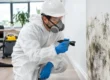
For significant water damage or visible mold growth, avoid disturbing affected materials without containment and proper protective measures. Cutting into wet drywall or pulling out insulation can spread particles into occupied areas. Certified Mold Removal Inc. approaches these situations by identifying the moisture source first, then developing a standards-based plan for safe removal and rebuilding decisions.
Build for Drying, Not Just for Appearance
The most reliable wall, floor, or ceiling assembly is one that can manage an unexpected moisture event. That means using exhaust ventilation that actually vents outdoors, maintaining gutters and grading, repairing leaks quickly, and leaving access to plumbing where practical. It also means avoiding shortcuts such as installing finished walls directly against damp foundation surfaces.
Choose inorganic or low-absorption materials where wetting is likely, but do not rely on labels alone. Proper flashing, drainage, waterproofing, ventilation, and professional installation determine whether those materials can perform as intended. If a room smells musty, shows recurring staining, or has been affected by water, address the cause before investing in new finishes. The right materials protect a property best when the structure behind them is dry.