When a wall is opened after a leak and mold is staring back at you, the wrong hire can make a bad situation worse. That is the real issue behind certified remediation versus general contractor. On paper, both may say they can remove damaged material and fix the area. In practice, only one is trained to control contamination, protect indoor air, and follow a remediation process built around health and safety.
A general contractor is valuable when the job is rebuilding, repairing finishes, replacing drywall, or correcting a plumbing or roofing defect. A certified remediation specialist is brought in when contamination has to be identified, contained, removed, and cleaned under controlled conditions. Those are not interchangeable roles.
Certified remediation versus general contractor: what changes on the job site
The biggest difference is not the tools. It is the sequence. A general contractor often approaches the problem like a construction issue – remove what looks damaged, replace it, and move on. A certified remediation company starts by asking what caused the growth, how far it spread, whether airborne particles are likely, and how to prevent cross-contamination during cleanup.
That distinction matters because mold is not just a stain on a surface. Disturbing contaminated material without proper containment can spread spores into hallways, HVAC systems, furniture, and adjacent rooms. A space that started as one wet closet can become a larger indoor air quality problem if the work is handled casually.
Certified remediation is process-driven. It typically includes inspection, moisture assessment, source identification, written scope or protocol, containment, controlled removal, detailed cleaning, and post-remediation verification when needed. A general contractor may be highly skilled in construction, but that does not automatically mean they are trained in contamination control.
Why certification matters when mold is involved
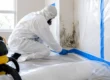
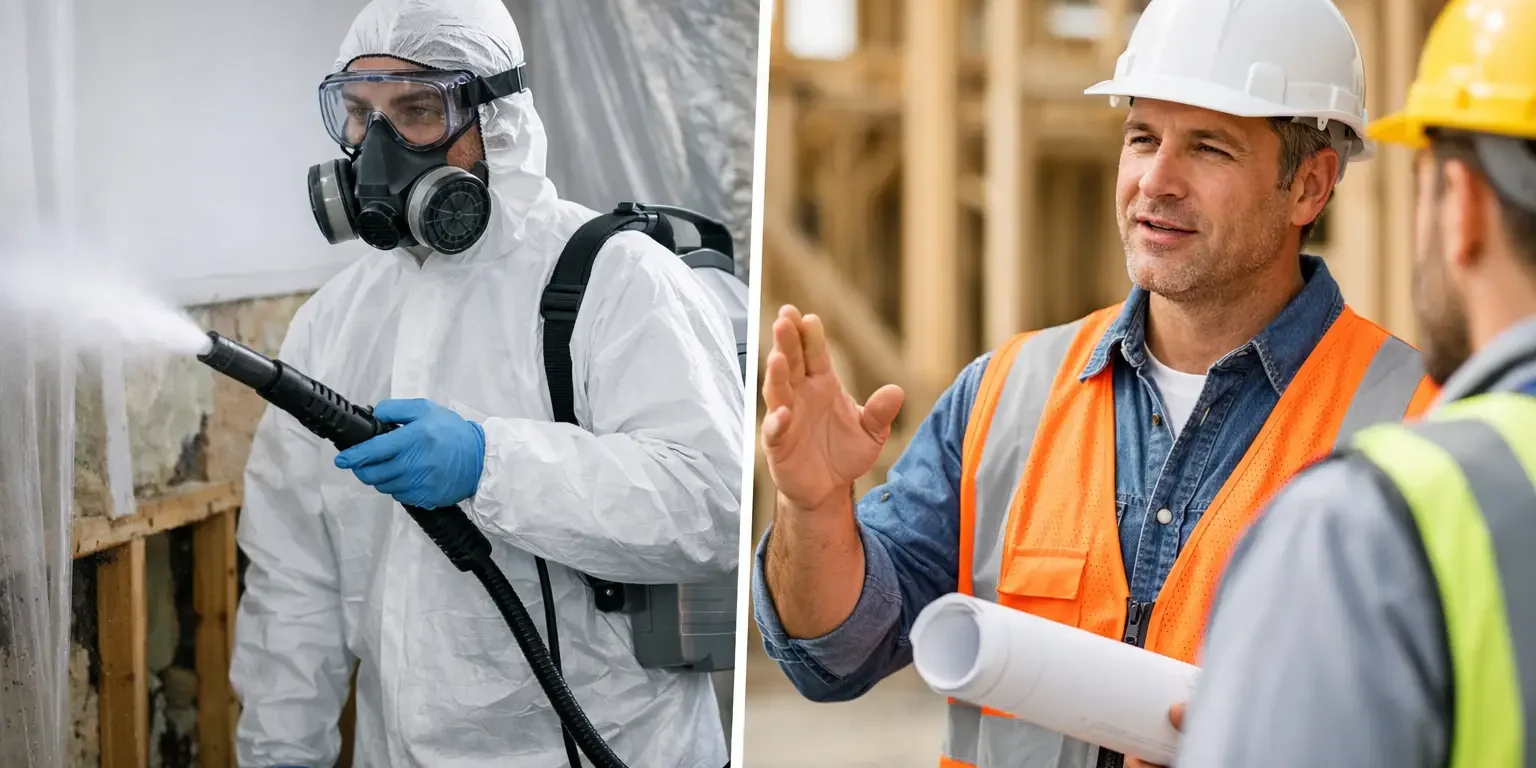
Certification is not a marketing extra. It signals that the company follows recognized procedures for environmental cleanup, worker safety, and job-site controls. That includes understanding negative air pressure, HEPA filtration, personal protective equipment, material handling, and cleaning standards that reduce the chance of spreading contamination.
For homeowners and property managers, this creates a practical benefit. You are not paying for a dramatic sales pitch. You are paying for a safer process and a more reliable outcome. Not all mold is equally hazardous, but any active mold problem should be handled correctly. Overstating the danger is unhelpful. Underestimating the cleanup is just as risky.
A certified team should also know when testing is useful and when it is not. In some cases, visible growth and moisture damage already justify remediation. In other cases, testing helps clarify the extent of the issue or document conditions for a commercial property, tenant concern, or real estate matter. That kind of judgment is part of specialist work.
A contractor may fix the leak, but that is only part of the job
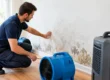
This is where property owners often get tripped up. If a bathroom supply line leaks into a wall cavity, the leak absolutely needs to be repaired. A contractor or plumber may handle that part well. But stopping the water source does not mean the contamination has been remediated.
Once materials have remained wet long enough for microbial growth, the job shifts. Now the question is how to remove damaged material without dispersing particles through the home or building. That is where certified remediation becomes the right lane.
The hidden cost of using the wrong professional
Hiring a general contractor for a contamination job can look cheaper at first. Sometimes the quote is lower because the scope is narrower: tear out drywall, spray something, repaint, and close the wall. The problem is that incomplete remediation often leads to recurring odor, failed clearance, ongoing moisture, or mold reappearing behind finished surfaces.
That second round is where costs climb. Now you are paying for demolition twice, repeating cleanup, delaying repairs, and dealing with a larger disruption. In commercial spaces, that can also mean tenant complaints, employee concerns, or interruption to business operations.
There is also the issue of liability. If a contractor disturbs contaminated materials without proper containment and particles spread into occupied areas, the fallout can extend beyond the original room. For multifamily buildings and managed properties, that risk should be taken seriously.
When a general contractor is the right choice
A fair comparison needs nuance. General contractors are not the wrong choice for every situation. They are often the right choice after the remediation phase is complete. Once contaminated materials are properly removed, the area is cleaned, dried, and cleared for rebuild, a contractor can restore drywall, trim, flooring, cabinetry, or paint finishes.
They may also be appropriate for straightforward repairs where there is no contamination issue at all – such as replacing a clean section of drywall after a short-term plumbing repair that was dried immediately and never developed microbial growth.
The key is not to force a construction solution onto an environmental problem. The two scopes can work together, but they should not be confused.
The best outcome often involves both
In many real projects, the smartest approach is not certified remediation versus general contractor as an either-or decision. It is the right specialist at the right stage. First, identify the moisture source and contamination level. Next, complete controlled remediation. Then rebuild the affected area.
That sequence protects occupants and property while reducing the chance of repeat work. It is also easier to document, which matters for insurance discussions, property records, and management accountability.
Questions to ask before you hire anyone
If you are comparing companies, do not focus only on price. Ask how they determine the source of the problem. Ask whether they perform containment and air filtration. Ask what standards guide their cleanup process. Ask whether they can explain the difference between removing damaged material and actually remediating contamination.
You should also listen for clarity. A trustworthy company will not try to frighten you into a rushed decision with exaggerated health claims. At the same time, they should be direct about what can go wrong if mold is disturbed improperly. That balance matters.
For homeowners in Monmouth County and nearby parts of New Jersey, this comes up often after roof leaks, basement moisture, bathroom humidity, crawl space dampness, or appliance failures. The visible damage may look like a repair issue. The hidden risk is often an air-quality issue.
Signs you need certified remediation, not just a contractor
If there is visible mold growth, a persistent musty odor, materials that stayed wet for more than a day or two, contamination inside wall cavities, or concern about spread through HVAC pathways, specialist remediation is the safer call. The same applies when occupants are sensitive, the affected area is large, or the property is commercial and documentation matters.
Another warning sign is when someone proposes demolition without a plan for containment. Tearing into contaminated drywall or insulation in an occupied property without barriers and filtration is not a shortcut. It is a contamination event waiting to happen.
Companies like Certified Mold Removal Inc. are built for these situations because the process starts with diagnosis, not guesswork. That includes identifying the source, defining the scope, and completing cleanup in a way that protects the rest of the property.
The real decision is about risk control
At the center of certified remediation versus general contractor is one practical question: are you fixing a building component, or are you controlling contamination? If the answer involves mold, airborne particles, or indoor air quality, certification matters because the job is no longer standard construction.
That does not mean every mold concern is catastrophic. Many issues are manageable when addressed quickly and properly. But proper is the key word. Fast action only helps when the process is sound.
If you are facing visible mold or moisture damage, slow down long enough to choose the right lane first. Repair work restores the structure. Certified remediation protects the environment inside it. When both are handled in the right order, you get a cleaner job, a safer property, and fewer surprises after the walls are closed back up.