A home can look perfectly clean and still have an air quality problem. In Middletown, that often starts after a roof leak, basement moisture, plumbing failure, high humidity, or a past water event that never fully dried out. Middletown NJ indoor air testing helps identify what is actually in the air so you can stop guessing and make the right decision before a small issue turns into a larger remediation project.
That matters because indoor air concerns are not always obvious. Sometimes there is a musty odor. Sometimes there are visible stains. Sometimes nothing looks wrong at all, but people in the building keep noticing irritation, headaches, or a stale, damp feeling indoors. Air testing is not about fear. It is about getting real data from a trained process and using that information to determine whether mold, elevated particulates, or hidden moisture-related contamination may be affecting the property.
When Middletown NJ indoor air testing makes sense
Indoor air testing is most useful when there is a reason to suspect an issue but the source is unclear, or when visible mold tells only part of the story. If mold is growing behind drywall, under flooring, above a ceiling cavity, or inside HVAC components, the air can carry spores into occupied spaces long before the contamination is fully visible.
This is why testing often follows certain events. Water damage is the most common trigger, especially when drying was delayed or incomplete. A finished basement with recurring dampness, an attic with poor ventilation, or a bathroom with chronic condensation can all create conditions where contamination develops out of sight. In rental units and commercial spaces, complaints from occupants may be the first sign that the building needs a closer look.
Testing can also be appropriate before buying or leasing property, after remediation work, or when previous cleanup was done by someone who addressed the surface growth without fixing the moisture source. That last point matters. If the cause of the problem was never corrected, even a well-intentioned cleanup can fail.
What indoor air testing can and cannot tell you
A professional test can provide meaningful information, but it is not magic. Good testing helps answer whether airborne mold spores or related contaminants appear elevated, what categories of spores may be present, and whether indoor conditions differ significantly from normal outdoor levels. It can also support a broader inspection by pointing toward hidden problem areas.
What it cannot do is replace a full investigation. Air samples are snapshots of conditions at a specific time. Results can be influenced by airflow, HVAC operation, weather, occupancy, and disturbance inside the building. That is why responsible companies do not rely on a single sample alone and then jump straight to expensive recommendations.
A proper assessment combines testing with inspection, moisture detection, building history, and an understanding of how contamination moves through a structure. If someone offers dramatic conclusions without looking for the source, that is a red flag.
The inspection matters as much as the sample
The most reliable approach starts with diagnosis. Before any sample is collected, the building should be evaluated for visible growth, staining, damp materials, humidity patterns, and likely moisture entry points. Bathrooms, basements, crawl spaces, attics, utility rooms, HVAC areas, and exterior wall transitions often deserve close attention.
This is where experience matters. Not every dark spot is dangerous mold, and not every odor confirms active contamination. A certified specialist looks at the structure, not just the symptom. That includes asking practical questions. When did the leak occur? Was the area professionally dried? Has there been recurring condensation? Has the HVAC system been cleaned or serviced? Are there tenant complaints in one part of the building or throughout it?
Without that context, testing can become misleading. With it, the results become much more useful.
How the testing process usually works
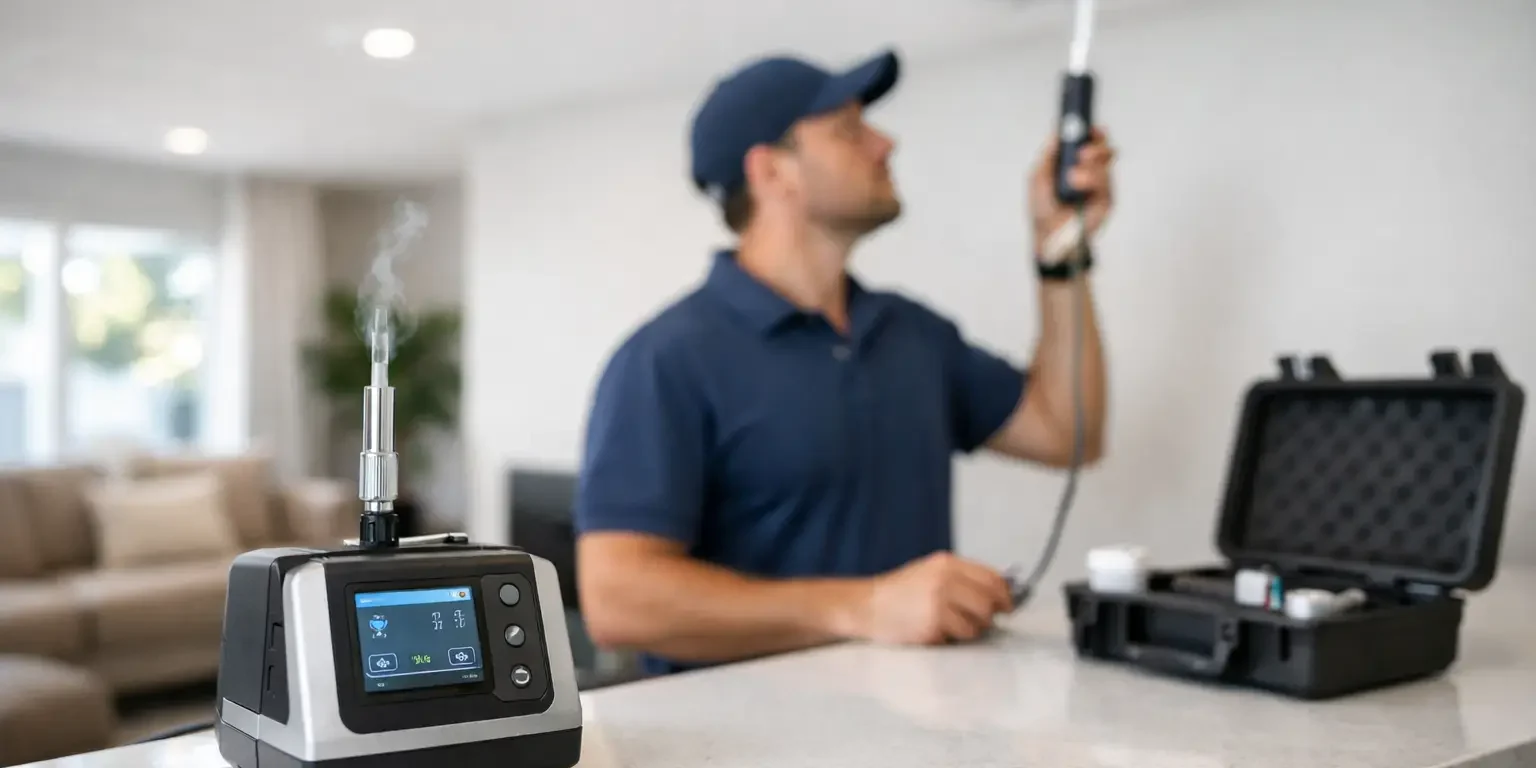
For most residential and commercial properties, the process is straightforward. First comes the visual inspection and moisture assessment. Then the specialist determines whether air sampling, surface sampling, or both are appropriate. The decision depends on what is visible, how the property is used, and whether the goal is diagnosis, documentation, or post-remediation verification.
Air samples are commonly collected from affected rooms and compared to a control sample. Surface samples may be taken from suspect materials when identifying a substance on a surface will help guide the next step. In some cases, no sample is needed to confirm a visible problem. If materials are clearly contaminated, the more urgent question is often how far the issue extends and what containment and removal steps are needed.
After the samples are analyzed, the results should be explained in plain language. That means more than reading numbers off a report. You should understand whether the findings suggest normal background conditions, evidence of hidden amplification, or contamination tied to an active moisture problem. You should also be told what to do next, and just as important, what not to do.
Why DIY kits often miss the real problem
Home test kits can seem appealing because they are cheap and easy to order. The problem is that they rarely provide enough context to support a confident decision. A petri dish on a countertop does not tell you whether your house has an indoor air quality issue. Mold exists in normal environments. The question is whether it is elevated indoors, whether it is linked to hidden water damage, and whether it is affecting the building in a way that needs corrective action.
DIY testing also misses the inspection piece. It cannot tell you if the source is a wet wall cavity, poor attic ventilation, a plumbing leak behind a vanity, or a basement dehumidification problem. Worse, it can create false reassurance or unnecessary panic.
The risk is not just bad information. It is wasted time while moisture damage continues.
What property owners in Middletown should pay attention to
Middletown properties deal with a mix of older housing stock, seasonal humidity, storm-related moisture intrusion, and basements or crawl spaces that can hold damp conditions longer than expected. Even newer buildings are not immune. Tight construction can improve efficiency while also trapping moisture if ventilation and drainage are not performing properly.
For homeowners, warning signs often include musty smells, recurring condensation, warped materials, staining around windows or ceilings, and health complaints that improve when people leave the building. For property managers and business owners, the signs may show up as repeated tenant complaints, odor issues in common areas, or moisture patterns near HVAC zones, exterior walls, or roof penetrations.
The key is early action. Air quality concerns do not usually become cheaper or simpler if they are ignored.
If testing finds a problem, the next step depends on the cause
This is where disciplined companies separate themselves from scare-based sales tactics. Not all mold findings require the same response. A small, isolated issue from a one-time event may need limited removal and source correction. A larger hidden condition tied to long-term moisture may require containment, removal of affected materials, cleaning, and post-remediation verification.
The right response depends on where the contamination is, how extensive it is, and why it developed. Source correction comes first. If the leak, humidity issue, or ventilation failure remains, cleanup alone will not hold.
Professional remediation also matters because improper demolition or dry brushing can spread spores into occupied areas. Standards-based containment protects the rest of the structure and helps preserve indoor air quality during the work. That is especially important in homes with children, older adults, or people with respiratory sensitivity, and in commercial settings where downtime and occupant safety both matter.
Choosing a qualified indoor air testing company
Credentials should not be treated as marketing decoration. Indoor air quality work affects health, liability, and the condition of the property. You want a company that understands inspection, testing, remediation protocols, and containment practices – not a general contractor taking an educated guess.
Ask how the company approaches diagnosis, what certifications they hold, whether they investigate the moisture source, and how they explain lab results. Look for a process that is methodical and evidence-based. Fast response is valuable, especially after water damage, but speed should never replace procedure.
Certified Mold Removal Inc. operates with that mindset: identify the source, document the conditions, recommend the right scope of work, and protect the occupants while the issue is being resolved.
If you suspect an indoor air quality problem in your Middletown property, the smartest move is not to panic and not to wait. Get the building evaluated by a qualified specialist who can tell you what is actually happening in the air and what needs to happen next.