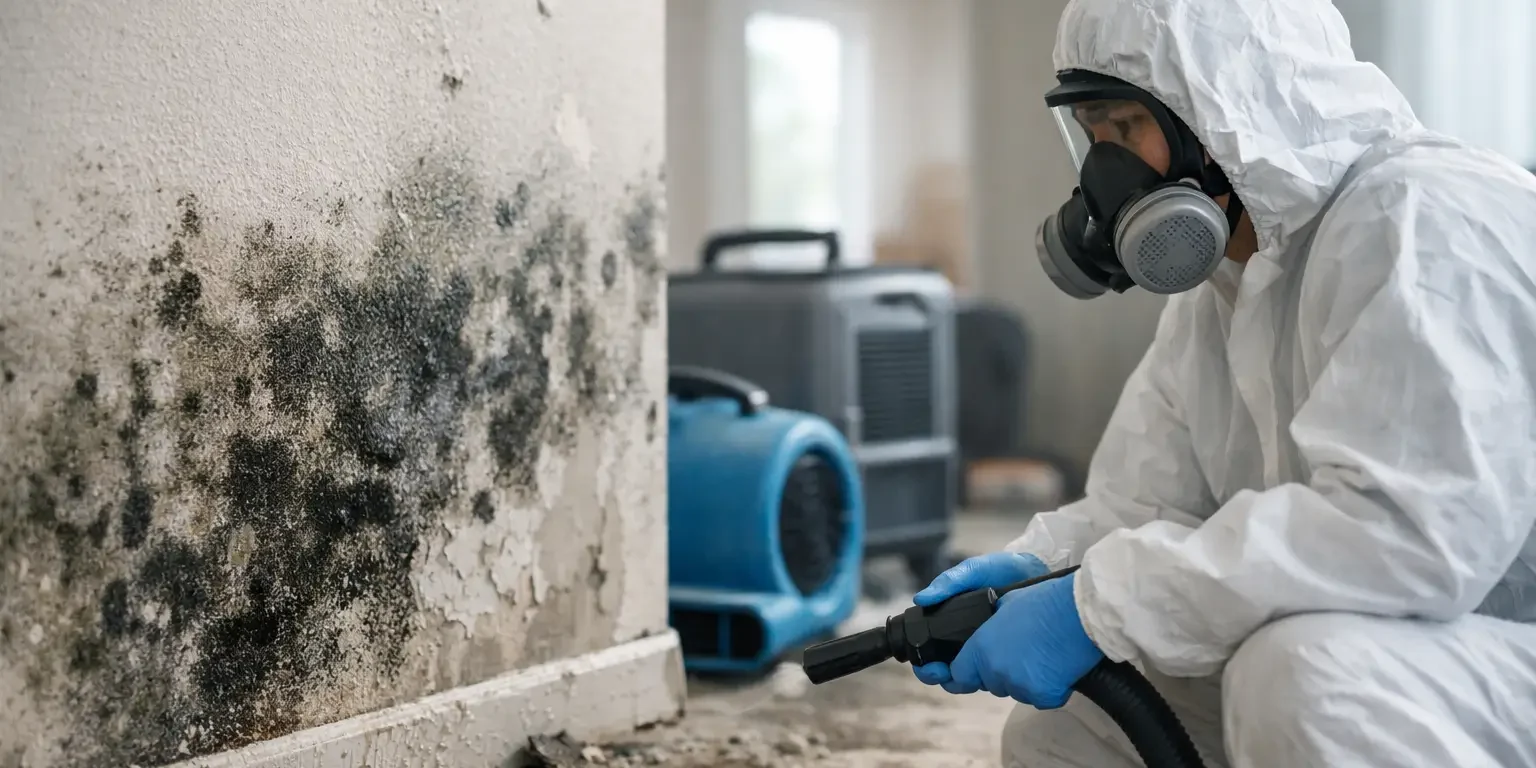
A damp basement wall after a storm, a musty odor in a bedroom closet, or staining near an HVAC vent can turn into a bigger property issue quickly. If you need Wall Township mold cleanup help, the right first move is not to spray, scrub, or cover the area with paint. It is to identify where moisture is entering or lingering, determine the extent of the affected material, and build a cleanup plan that prevents spores from spreading through the property.
Mold is a moisture problem before it is a cleanup problem. Not all mold is dangerous, and visible growth does not automatically mean a building is heavily contaminated. But ignoring recurring moisture, water-damaged materials, or persistent indoor odors can allow conditions to worsen. Homeowners, property managers, and business owners need a clear answer quickly: what is affected, what caused it, and what needs to happen next?
When Wall Township Mold Cleanup Help Is Needed
Professional evaluation is especially valuable when growth returns after cleaning, appears on porous material, follows a leak or flooding event, or is accompanied by a persistent musty smell. Mold can grow behind drywall, beneath flooring, inside wall cavities, around window systems, and in damp crawl spaces. What is visible may be only part of the condition.
Pay close attention after plumbing leaks, roof leaks, appliance overflows, foundation seepage, or humidity problems. In coastal Monmouth County, seasonal humidity and storm-driven water intrusion can also create the conditions mold needs. A room that feels damp, condensation on windows, or an HVAC system that is not controlling humidity properly deserves attention before damage spreads.
For commercial properties, the decision often involves more than appearance. Affected offices, retail spaces, rental units, and common areas can create disruption for employees, tenants, and customers. A documented, standards-based process helps property decision-makers address the issue responsibly while protecting normal operations where possible.
Why Diagnosis Comes Before Cleanup
The biggest mistake in mold work is treating the surface without correcting the source. Bleach, household cleaners, and fresh paint may alter what you see, but they do not repair a hidden pipe leak, poor drainage, elevated humidity, or a roof failure. If the moisture source remains active, growth can return.
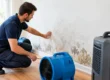
A proper inspection looks beyond the obvious. It considers the history of water events, the location and condition of affected building materials, moisture readings, ventilation patterns, and whether there are signs of concealed damage. When the situation warrants it, sampling can provide additional information about indoor conditions and support a written remediation protocol.
Testing is not necessary in every case. If there is clear visible growth and a known moisture source, the immediate priority may be correcting the source and removing damaged material safely. Testing can be useful when contamination is suspected but not visible, when occupants have ongoing indoor air quality concerns, when there is a dispute about conditions, or when post-remediation documentation is needed. An experienced specialist should explain why testing is or is not recommended rather than selling it automatically.
What Safe Mold Remediation Should Include
Mold cleanup is not simply demolition or surface wiping. The process should be designed to control dust and spores, protect unaffected rooms, remove materials that cannot be reliably cleaned, and leave the area dry and ready for repair.
The exact scope depends on the location, the amount of affected material, and whether the material is porous or nonporous. A small area on a solid, cleanable surface may require a different approach than damaged drywall, insulation, carpeting, framing, or contents in a basement after water intrusion. The appropriate method is based on conditions, not a one-size-fits-all package.
A professionally managed remediation project commonly includes these four elements:
- Correction or control of the moisture source before final cleanup begins.
- Containment measures that separate the work area from clean areas of the building.
- Controlled removal or cleaning of affected materials using appropriate equipment and procedures.
- Detailed cleaning, drying, and verification steps before reconstruction or reoccupancy.
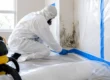
Containment is one of the most important protections in the process. Disturbing mold-damaged materials without barriers, controlled airflow, and proper cleanup practices can distribute particles into adjacent rooms. That is why hiring a general handyman for significant damage can be a costly gamble. The work may look clean when it is finished while contamination has been spread to areas that were previously unaffected.
Certified Mold Removal Inc. approaches mold work as a full-cycle environmental service: inspection, testing when appropriate, written protocol development, source correction guidance, and controlled remediation. This avoids the common problem of having one company identify an issue and another company guess at the proper scope of work.
What You Can Do Before Help Arrives
If a leak is active, stop the water source if it is safe to do so. Move dry belongings away from the affected area, but avoid dragging wet items through clean parts of the home or business. Increase ventilation only when outdoor conditions are dry enough to help, and use dehumidification where appropriate.
Do not tear out drywall, pull up wet flooring, or run fans directly on suspected mold growth without guidance. Those actions can spread contamination, especially when material has been wet for more than a day or two. Do not rely on odor alone to judge whether the condition is resolved. A room can smell better while moisture remains behind finished surfaces.
For a small, isolated area on a hard surface, careful cleaning may be reasonable. The decision changes when material is porous, the affected area is recurring or extensive, water damage is hidden, or the property has occupants who may be more sensitive to poor indoor air conditions. In those cases, professional assessment offers a safer and more cost-effective path than repeated do-it-yourself attempts.
Questions to Ask a Mold Cleanup Company
Urgency should not force you into a vague scope of work. A credible mold specialist should be able to explain what they found, what likely caused it, what will be protected during work, and how they will determine the area is ready for repair.
Ask whether the company is properly insured, what training and certifications guide its procedures, and whether it follows recognized industry standards. Ask if the estimate separates source correction from remediation and rebuilding, since these can involve different trades and responsibilities. You should also understand which materials will be removed, whether contents need special handling, and what documentation will be provided.
Be cautious of anyone who labels every discoloration as a severe hazard before inspecting the property. Fear-based claims are not a substitute for evidence. At the same time, be equally cautious of anyone who promises to solve widespread or hidden mold with a quick chemical treatment alone. Effective remediation is practical, detailed, and tied to the actual moisture conditions in the building.
Protecting the Property After Remediation
The work is not finished when the containment comes down. Long-term prevention depends on keeping moisture under control. Repair exterior drainage issues, maintain gutters and downspouts, respond to plumbing leaks promptly, use bath and kitchen exhaust ventilation, and monitor humidity in basements, crawl spaces, and other enclosed areas.
After a significant water event, act quickly. Drying within the first 24 to 48 hours can reduce the likelihood of mold growth, though the right response still depends on the materials involved and how long water was present. Keep records of leaks, repairs, moisture readings, and remediation documentation, particularly for rental properties and commercial buildings. Good records can support maintenance planning and demonstrate responsible property management.
If mold is visible, recurring, or suspected behind finishes, do not wait for the problem to become a larger reconstruction project. A careful inspection and a source-first plan can bring clarity to the situation, protect the people using the space, and help return the property to normal conditions with confidence.