When a remediation crew removes mold, the job is not finished just because the damaged material is gone and the room looks clean. That gap between a completed cleanup and a verified safe space is exactly why a guide to post remediation verification matters. If you own a home, manage rentals, or oversee a commercial property, this is the step that tells you whether the work actually solved the problem or just improved appearances.
What post remediation verification actually means
Post remediation verification, often called PRV, is the inspection and testing process performed after mold remediation is complete. Its purpose is straightforward – confirm that the affected area has been properly cleaned, containment was effective, debris has been removed, moisture issues were addressed, and indoor conditions have returned to a normal fungal ecology.
That last point matters. A good PRV is not looking for a sterile building, because that is not realistic. Mold spores exist in normal indoor and outdoor environments. Verification is about confirming that the treated area is dry, clean, and no longer showing signs of active contamination that exceed acceptable indoor conditions.
This is also where weak remediation work gets exposed. If the contractor removed visible staining but left hidden growth, failed to control dust, or skipped source correction, verification often shows it.
Why this step matters more than many property owners realize
A lot can go wrong between demolition and final clearance. Dust can escape containment. Wet materials can remain behind walls. HVAC pathways can spread contamination into adjacent rooms. Odors may improve while moisture remains active behind finishes.
For homeowners, that can mean recurring mold growth, persistent respiratory irritation, or expensive repeat work. For property managers and business owners, it can mean tenant complaints, delayed re-occupancy, and liability questions if someone claims the environment was not properly restored.
This is one reason certified specialists push process over panic. Not all mold situations are severe, but when remediation is necessary, it needs to be verified with discipline. Skipping PRV to save time or money often creates a larger bill later.
A practical guide to post remediation verification
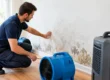
A proper PRV starts before anyone collects an air sample. Visual inspection comes first because the space has to be remediation-complete before testing has value. If debris is still present, if surfaces are dusty, or if wet materials remain, sampling is premature.
Step 1: Confirm the source was corrected
No verification is credible if the moisture source is still active. Roof leaks, plumbing failures, condensation issues, foundation seepage, poor ventilation, and humidity control problems all need to be addressed before clearance is attempted.
This is where experienced professionals separate themselves from general contractors. Removing mold without correcting the cause is not a finished job. It is a countdown to recurrence.
Step 2: Inspect the work area visually
The inspector should check all remediated surfaces, adjacent areas, and containment boundaries. Surfaces should be free of visible dust, debris, and suspect fungal growth. Materials that were supposed to be removed should be gone. Structural elements that were cleaned should show no obvious residue.
Visual review also includes practical details that are easy to miss, such as whether the contents were properly cleaned, whether plastic containment was removed without spreading debris, and whether the work area is dry enough for reconstruction.
Step 3: Measure moisture conditions
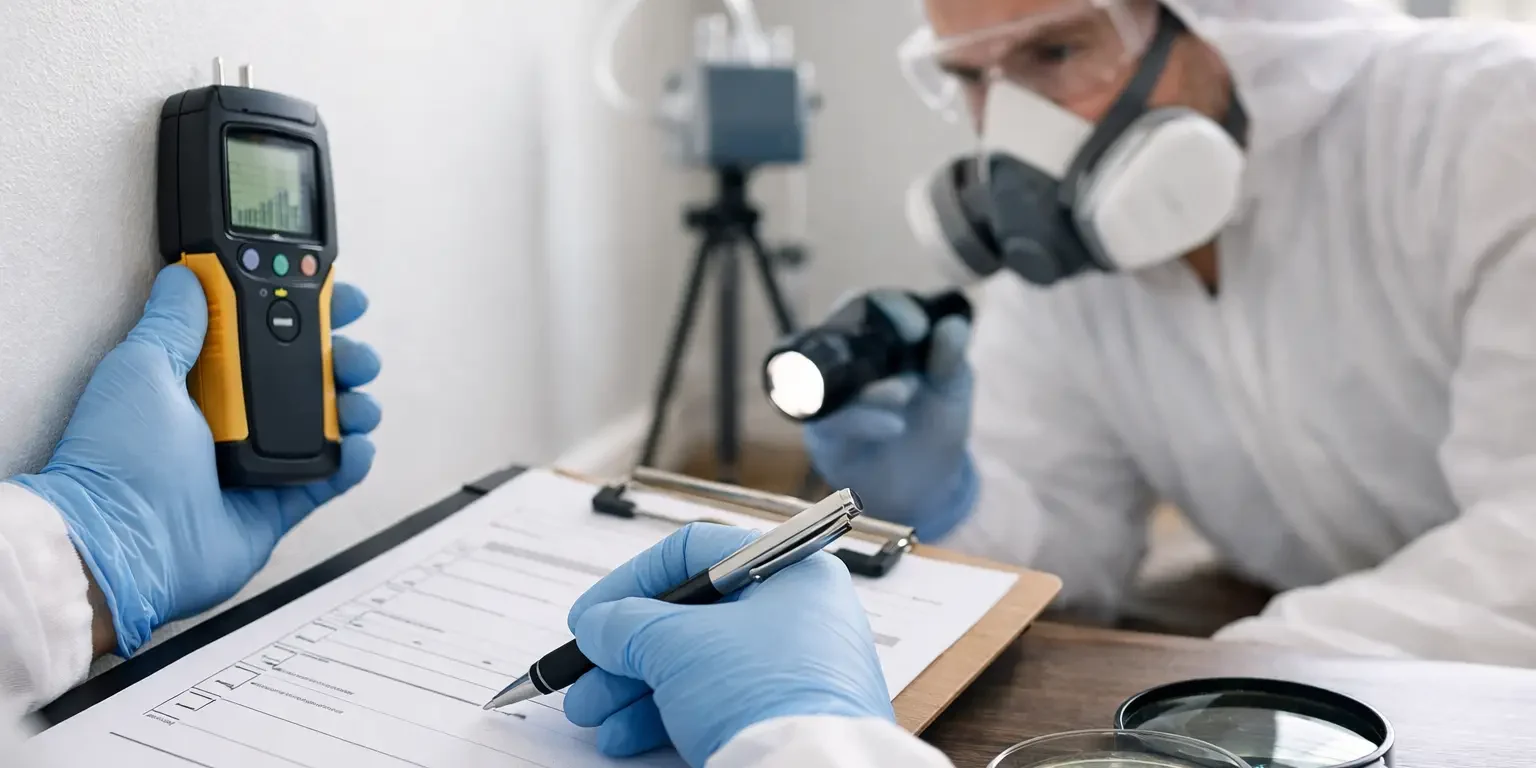
Moisture meters, thermal imaging when appropriate, and humidity readings help confirm that the environment is no longer supporting active growth. This part matters because mold is rarely just a surface issue. If moisture remains elevated inside building materials, the area may fail after rebuilding even if air samples look acceptable for the moment.
There is some nuance here. A room can pass visual clearance and still need more drying time. That does not always mean the remediation failed, but it does mean the project should not move forward yet.
Step 4: Evaluate containment and cross-contamination risks
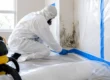
A serious guide to post remediation verification must include the surrounding space, not only the primary work zone. Inspectors should consider whether dust escaped into hallways, neighboring rooms, attics, basements, or HVAC components. In larger projects, this becomes even more important because contamination can migrate during removal if containment was not maintained correctly.
In occupied homes and commercial buildings, this step protects the people who never entered the work area but may still be affected by poor controls.
Step 5: Use sampling when it is justified
Air and surface sampling can be valuable, but they are not magic. They work best when tied to a solid inspection and a clear remediation scope. Sampling should answer a specific question, such as whether airborne spore levels in the treated area have returned to normal compared with a control area, or whether a suspect surface still contains residual contamination.
Not every project requires the same testing plan. A small, isolated cleanup may need less verification than a large remediation involving multiple rooms, HVAC impact, or sensitive occupants. It depends on the size of the loss, the building use, the original contamination, and whether there were health complaints or legal concerns.
Who should perform post remediation verification?
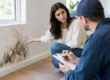
Independence matters. In many cases, the best practice is to have PRV performed by a qualified third-party inspector or industrial hygienist rather than the company that completed the remediation. That reduces conflict of interest and gives property owners a more defensible result.
That said, credentials and field experience matter just as much as independence. The person doing the verification should understand mold investigation, containment standards, moisture behavior, and sampling limitations. A cheap clearance letter from someone who only collects air cassettes without inspecting the work is not strong verification.
For larger residential and commercial projects, written documentation is especially important. You want a clear record of what was inspected, what methods were used, whether readings were acceptable, and whether the space was cleared for re-occupancy or further build-back.
What a passing result should tell you
A passing PRV does not mean the building will never have mold again. It means the remediated area currently meets the standard for cleanliness, dryness, and acceptable post-work conditions based on the scope of the project.
In practice, that usually means no visible growth, no significant dust or debris, no unresolved moisture source, and no test results indicating abnormal fungal conditions in the treated area. It should also mean the area is ready for reconstruction if demolition was part of the process.
If the report is vague, if there is no moisture data, or if the inspector never documented the visual condition, ask questions. A reliable clearance is based on more than one number.
Common reasons a space fails verification
Most failures come back to one of four issues: unresolved moisture, incomplete cleaning, hidden contamination, or cross-contamination during the work. Sometimes the remediation team finished the obvious area but did not open enough material to reach the full extent of damage. Sometimes the cleanup was technically complete, but the area was tested before drying stabilized.
There are also cases where sampling is affected by timing and conditions. Open windows, active air scrubbers, reconstruction dust, or recently disturbed surfaces can all skew results. That is why verification has to be planned carefully, not rushed at the end of a stressful project.
What property owners should ask before accepting clearance
Ask whether the moisture source was documented as corrected. Ask whether the inspector was independent from the remediation contractor. Ask what areas were visually reviewed, what instruments were used, and whether sampling was compared to an appropriate control area. If the project was significant, ask for a written report rather than a verbal okay.
For families with children, older adults, or anyone with respiratory sensitivities, that extra clarity matters. For landlords and business owners, it also helps support your decision-making if questions come up later.
In markets across New Jersey and the surrounding region, where storms, humidity, and plumbing failures regularly create indoor moisture problems, this final check is not an optional add-on. It is the proof that the environment has been properly brought back under control.
Certified Mold Removal Inc. approaches remediation with the understanding that diagnosis, source correction, containment, and final verification all have to align. If one piece is weak, the project is not truly complete.
The safest buildings are not the ones that were cleaned the fastest. They are the ones where every phase was documented, the moisture problem was stopped, and the final verification confirmed that the space is ready to be lived in again.