A dark stain on drywall can send a homeowner into panic fast. Sometimes that stain is active mold. Sometimes it is old water damage, dirt, or surface growth that looks worse than it is. That is exactly why certified mold inspector benefits matter. A certified inspector helps you separate real contamination from guesswork, so you can protect the building, the people inside it, and your budget.
The biggest mistake property owners make is treating mold as a cleanup problem before they treat it as a diagnosis problem. Wiping a surface, spraying a store-bought product, or hiring a general contractor may make the area look better for a week. If the moisture source is still active, the problem usually returns. If containment is handled poorly, spores can spread into clean areas and create a larger remediation job than you started with.
Why certified mold inspector benefits start with accuracy
Mold concerns tend to come with urgency, but urgency should not replace process. A certified inspector is trained to identify signs of moisture intrusion, evaluate visible and hidden growth, and determine whether testing is appropriate. That sounds basic, but it changes the entire outcome.
A non-specialist may focus only on what is easy to see. A certified inspector looks at the conditions that allow mold to grow in the first place – roof leaks, plumbing failures, poor ventilation, elevated humidity, condensation, crawl space moisture, and HVAC issues. That matters because mold is rarely the root problem. Moisture is.
This is one of the most practical certified mold inspector benefits: you get a clearer answer about cause, scope, and severity. That reduces wasted work. It also reduces the chance that someone tears out materials unnecessarily or overlooks contamination behind walls, under flooring, or inside mechanical spaces.
A certified inspector protects more than the visible surface
Many property owners assume mold inspection means someone walks through, points at a stain, and recommends removal. A proper inspection goes further. It considers building conditions, occupancy risks, and whether contamination may be affecting indoor air quality.
For a family with children, older adults, or anyone with respiratory sensitivity, that distinction is not minor. For a business owner or property manager, it can affect tenant complaints, staff comfort, and operational disruption. In both cases, the benefit is not just information. It is decision quality.
A certified inspector can help answer questions that directly affect your next step. Is the issue isolated or widespread? Is the growth likely tied to a recent leak or a long-term humidity problem? Does the area require containment before cleanup begins? Is post-remediation verification likely to be necessary? Those answers shape both safety and cost.
Certified mold inspector benefits during testing
Testing is useful, but not every situation needs the same kind of testing. That is another area where certification matters.
Some companies treat testing like a sales tool. They may oversample, undersample, or collect data without enough context to interpret it correctly. A certified inspector should understand when surface sampling, air sampling, moisture mapping, or a visual assessment is the right approach. Just as important, a certified professional should explain what testing can and cannot tell you.
For example, air samples may help identify whether spores are elevated indoors compared to normal conditions, but they are only one piece of the picture. Surface samples can identify what is growing on a material, but they do not automatically tell you the full extent of contamination behind it. Moisture readings can reveal hidden risk even where growth is not yet visible.
That balance is one of the less obvious certified mold inspector benefits. You are not just paying for a lab result. You are paying for someone who knows how to use evidence in context.
Better remediation starts with a better inspection
A remediation plan is only as good as the inspection behind it. If the initial assessment misses the moisture source, the cleanup may fail. If the contamination area is understated, workers may not isolate enough space. If it is overstated, you may spend far more than necessary.
This is where certified inspectors provide real value. They help define the work before demolition or cleaning begins. In many cases, that means documenting affected materials, identifying the likely source, and outlining the conditions that need to be corrected for remediation to hold.
That distinction matters because proper mold work is not just about removing damaged material. It is about restoring normal indoor conditions. Source correction comes first. Then containment, removal, cleaning, and verification can be handled in the right order.
For homeowners, that can mean fewer surprises once walls are opened. For commercial properties, it often means better coordination, less downtime, and a stronger paper trail showing the issue was addressed professionally.
Not all mold situations are equal
A trustworthy inspector does not treat every mold call like a catastrophe. That is another important benefit.
Some mold growth is minor and localized. Some is widespread and tied to major water damage. Some situations call for immediate containment. Others require monitoring, moisture control, and limited corrective work. A certified inspector should be able to make those distinctions without turning every concern into a fear-based sales pitch.
That approach protects your health and your money. Overreaction can be expensive. Underreaction can be risky. The right inspector helps you stay in the middle ground where decisions are based on building science, not panic.
This is especially important when selling a home, managing rental property, or maintaining a commercial building. You want documentation and recommendations that can stand up to scrutiny, not vague opinions or inflated claims.
The risk of hiring an unqualified inspector
On paper, many contractors say they can inspect mold. In practice, qualifications vary widely. Some are excellent. Others are simply adding mold services to a general home repair business without the training to evaluate contamination correctly.
The risk is not only a missed diagnosis. It is also conflict of interest. If the same company is eager to sell remediation before defining the problem properly, you may never get an objective picture of what is actually needed.
A certified inspector brings more credibility because certification signals training, standards awareness, and a process that goes beyond visual guesswork. It does not mean every certified professional is identical, but it does raise the baseline. You are more likely to get a disciplined evaluation, documented findings, and recommendations tied to actual conditions.
In markets like New Jersey and nearby service areas where weather swings, basement moisture, storm damage, and humidity issues are common, that level of technical accuracy can prevent a small issue from turning into a recurring building problem.
When certification matters most
The value of certification rises when the stakes rise. If mold is affecting a small bathroom ceiling after a one-time venting issue, the inspection may be relatively straightforward. If the property has repeated leaks, musty odors with no visible growth, tenant complaints, or contamination after water damage, credentials matter much more.
The same is true when multiple rooms are involved, when HVAC systems may be spreading particulates, or when you need a written protocol before remediation starts. In these cases, the inspector is not just identifying mold. They are helping guide the safe handling of a building issue with health, liability, and cost implications.
For property managers and business owners, that can be the difference between a contained project and an expanding one. For homeowners, it can mean the difference between a focused repair and months of recurring odor, staining, and uncertainty.
What to expect from a certified mold inspection
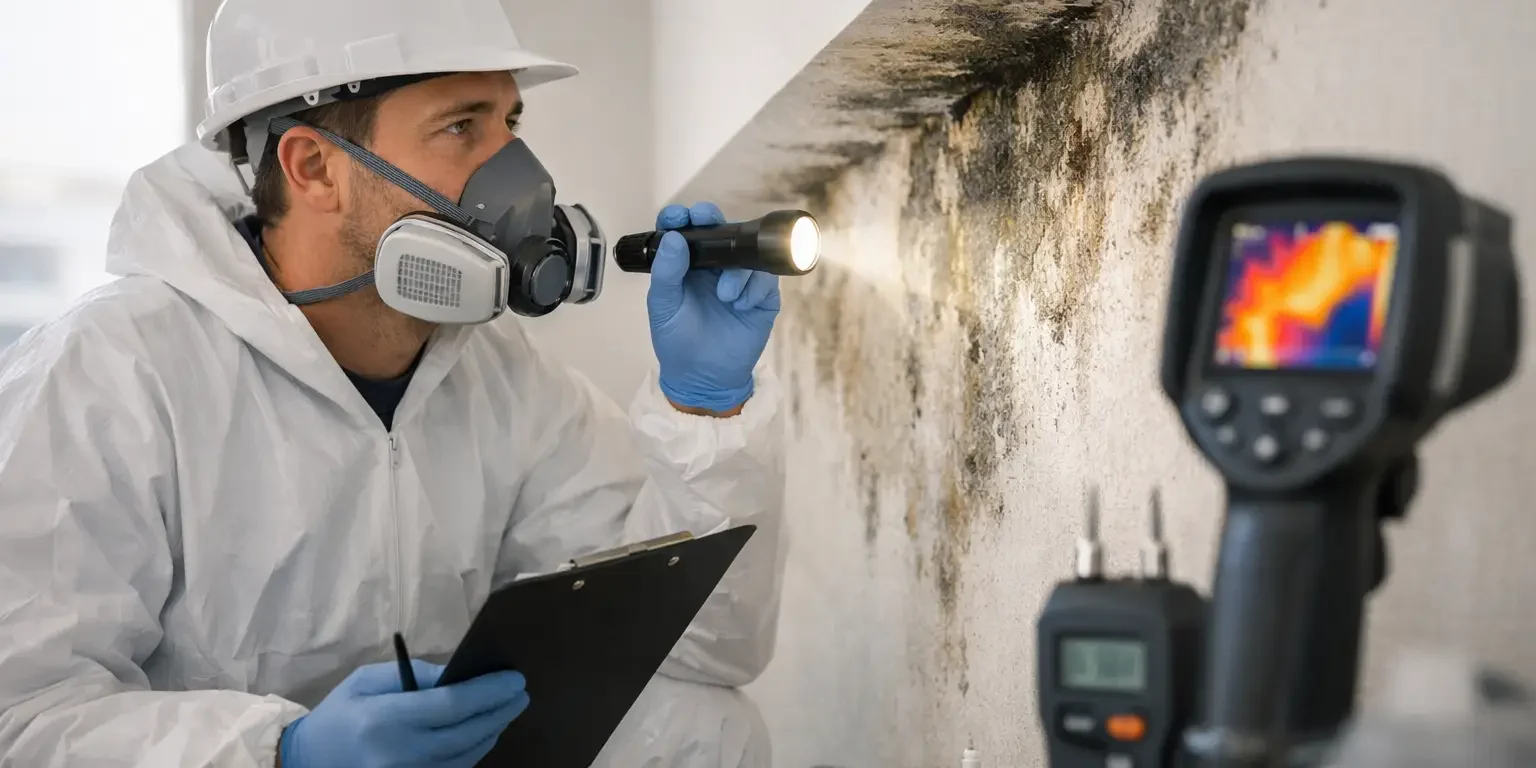
A professional inspection should feel structured, not improvised. The inspector should ask about water events, occupant concerns, odors, prior repairs, and areas where conditions change with weather or HVAC use. They should examine visible signs, check moisture conditions, and explain why certain samples or recommendations are being made.
You should also expect clear communication. If a condition is serious, you should be told directly. If it is limited, you should hear that too. The best inspectors are both urgent and measured. They take contamination seriously without overstating what the evidence shows.
That is the real thread running through certified mold inspector benefits: clarity. Clear diagnosis. Clear scope. Clear next steps. When a mold issue is handled correctly from the start, everything after that becomes more manageable.
If you are looking at suspicious growth, dealing with a musty smell, or recovering from water intrusion, the smartest move is not to guess. It is to get the property evaluated by someone qualified to tell you what is happening, what is not, and what should happen next.