A small patch of mold on drywall can turn into a much bigger problem after one wrong move with a fan, a broom, or a spray bottle. That is why understanding how to prevent mold spread matters early. Mold does not stay politely where you first spot it. Once it is disturbed, spores can travel through the air, settle in other rooms, and start new growth wherever moisture is present.
The good news is that not every mold issue is a crisis. The bad news is that careless cleanup often makes a manageable problem harder and more expensive to fix. The right approach is not panic. It is source control, moisture control, and disciplined containment.
How to prevent mold spread starts with moisture
Mold needs one thing more than anything else – moisture. If the source of water is still active, cleaning visible growth alone will not solve the problem. A roof leak, plumbing leak, condensation around HVAC lines, wet carpet after flooding, or consistently high indoor humidity can all keep feeding contamination behind walls, under flooring, or inside insulation.
That is why the first step is always to stop the water source or reduce the humidity condition that allowed growth in the first place. In practical terms, that may mean shutting off a leaking supply line, drying out a wet basement, correcting drainage outside, repairing flashing around a window, or using proper dehumidification after water damage. If that step is skipped, mold can return quickly even after the area looks clean.
This is also where many property owners lose time. They focus on what they can see and miss what is still wet. By the time the musty odor comes back, the spread is already underway.
What causes mold to spread faster
Mold spreads most aggressively when contaminated material is disturbed without containment. Scrubbing dry mold, ripping out drywall without barriers, running central air during cleanup, or placing household fans directly on contaminated surfaces can all push spores into clean areas.
Porous materials are another factor. Drywall, carpet pad, ceiling tiles, insulation, and unfinished wood can hold contamination below the surface. On non-porous materials, cleaning may sometimes be effective. On porous materials with significant growth or water damage, removal is often the safer option. It depends on the material, the extent of growth, and whether the substrate can be fully dried and restored.
Time matters too. A recent moisture issue is easier to control than one that has been active for weeks. Once mold has moved into wall cavities, HVAC pathways, or multiple rooms, the project becomes less about cleaning a spot and more about protecting the building’s indoor air.
Immediate steps to stop cross-contamination
If you find suspected mold, avoid the instinct to start spraying and wiping immediately. First, limit traffic through the area. Keep children, pets, tenants, or employees away from the affected space if possible. Close doors to the room, and do not use fans that could circulate spores to other areas.
If the HVAC system serves the affected zone, it may need to be shut down temporarily until the situation is evaluated. That decision depends on where the contamination is located and whether air movement could distribute spores. In a commercial setting or a larger home, this is especially important because one contaminated return can affect multiple rooms.
You should also avoid dry sweeping, vacuuming with a standard vacuum, or removing damaged materials without a plan. Ordinary vacuums are not designed for contaminated remediation work. They can exhaust fine particles back into the air. Proper remediation uses containment and specialized filtration methods, not just cleaning products.
How to prevent mold spread during cleanup
Containment is the line between a controlled project and a building-wide problem. In small, isolated situations, basic isolation may be enough. In larger or more sensitive environments, professional containment is the correct path. That can include sealed work areas, negative air pressure, controlled material removal, and cleaning procedures designed to protect unaffected rooms.
The reason professionals emphasize containment is simple. Mold remediation is not just about removing what you see. It is about preventing disturbed spores from settling elsewhere during the work. A wall cavity can release contamination the moment drywall is opened. Wet materials can look limited on the surface while the hidden spread is much larger.
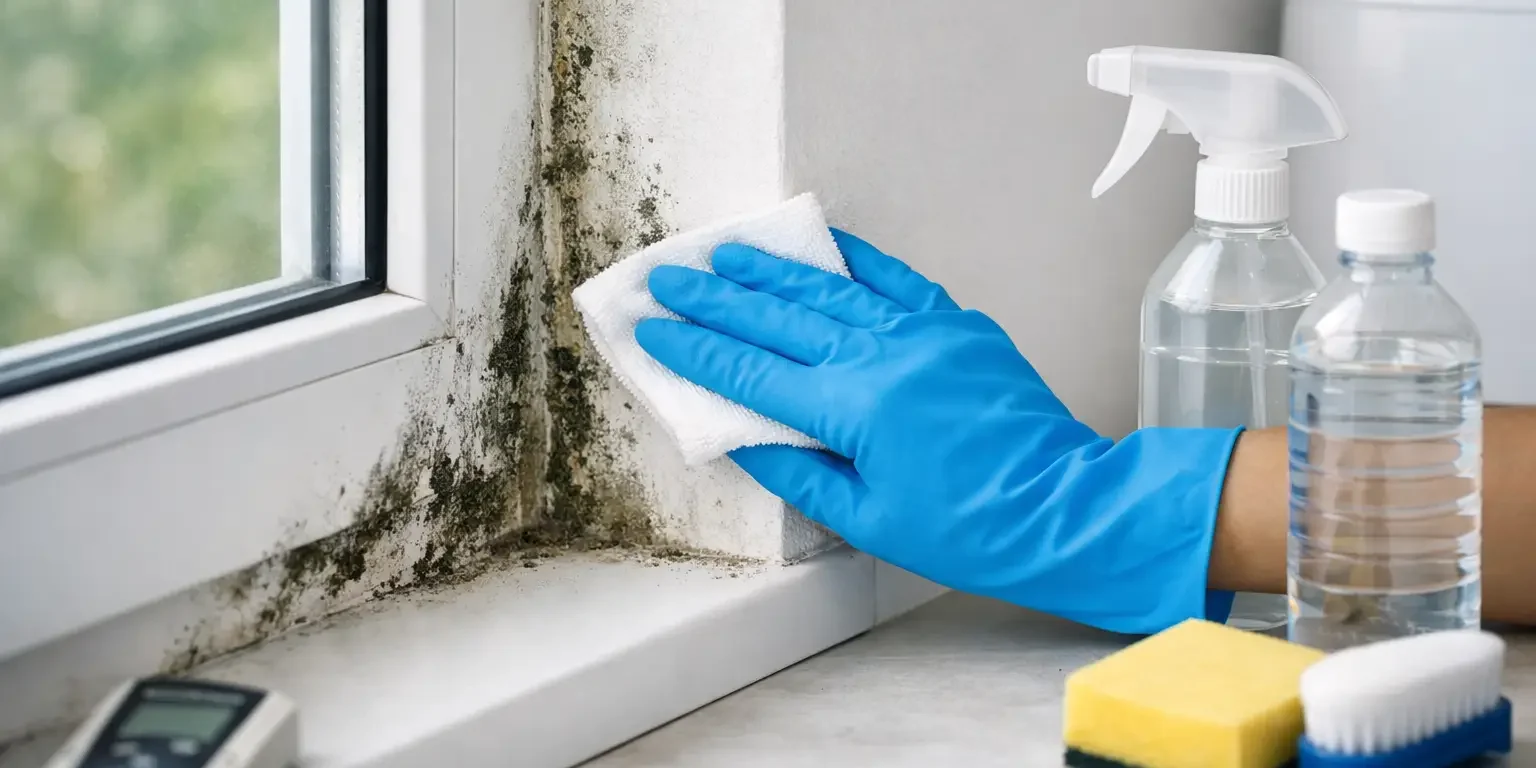
Cleaning methods also matter. Bleach is often the first product people reach for, but it is not a universal solution and can give a false sense of security. On porous materials, surface spraying does not necessarily address embedded growth. Safe remediation is based on the material type, the moisture condition, and whether the item can actually be salvaged.
When DIY makes the problem worse
Homeowners often ask whether they can handle mold themselves. Sometimes the answer is yes, but only when the affected area is very limited, the moisture source has been corrected, and the material can be cleaned safely without spreading contamination. Even then, caution matters.
DIY becomes risky when the mold covers a larger area, returns after cleaning, appears inside walls or ceilings, follows a leak, affects HVAC components, or is tied to occupant health concerns. It is also a poor idea in apartments, tenant-occupied buildings, medical offices, schools, and businesses where liability and indoor air quality carry higher stakes.
The biggest mistake is treating mold like dirt. It is not just a stain to remove. It is a contamination issue linked to moisture, building materials, and air movement. If the process is handled incorrectly, you can end up spreading spores to clean contents, increasing demolition, and extending restoration costs.
Why inspection comes before remediation
A proper inspection answers the questions that matter most. What is wet? How far has contamination spread? Is the visible mold the full problem or just the sign of hidden growth? What materials can be cleaned, and what should be removed? Without those answers, cleanup becomes guesswork.
This is where certified assessment has real value. A standards-based approach focuses on diagnosis first, then source correction, then remediation under controlled conditions. That protects both the property and the people inside it. It also helps avoid the two extremes that cause trouble – underreacting to active contamination or overreacting to minor surface issues that can be addressed more simply.
For property managers and business owners, that process matters even more. You may need documentation, a written scope, and a clear remediation protocol to protect occupants and keep operations moving. For homeowners, it means knowing whether the issue is localized or whether the problem has moved into hidden spaces.
Prevention after remediation
Once remediation is complete, preventing future spread depends on keeping the building dry and stable. Indoor humidity should stay in a controlled range, especially in basements, crawl spaces, bathrooms, and utility areas. Exhaust fans need to vent properly. Condensation on ducts or windows should not be ignored. Water intrusion around roofs, siding, foundations, and plumbing should be corrected quickly.
Routine observation helps more than most people realize. A musty odor, peeling paint, recurring stains, warped baseboards, and persistent condensation are all signs worth taking seriously. Mold problems rarely improve by waiting.
In the Northeast, where humid summers, storms, and frozen pipe events are common, fast response makes a difference. In homes and commercial properties across New Jersey and nearby service areas, small moisture events often become larger remediation projects simply because the early warning signs were dismissed.
The safest mindset to take
If you remember one thing, make it this: do not disturb mold until you know what you are dealing with. The safest way to prevent spread is to control moisture, limit air movement, isolate the area, and get an informed assessment before cleanup turns into contamination transfer.
Certified Mold Removal Inc. approaches these situations the way they should be handled – with diagnosis first, source correction before removal, and containment that protects indoor air quality. That is the difference between wiping away symptoms and actually controlling the problem.
When mold shows up, speed matters, but so does method. A calm, careful response protects your family, your tenants, your staff, and the building itself.