If you have visible mold, a musty odor, or recent water damage, one of the first serious questions to ask is who does mold remediation protocol. The answer matters more than most property owners realize, because the protocol is not just paperwork. It is the written plan that tells a remediation team what must be removed, cleaned, contained, and corrected so the problem does not keep coming back.
Too many people assume any contractor can write one. That is where expensive mistakes start. A proper mold remediation protocol should come from a qualified mold professional who understands inspection, moisture behavior, contamination pathways, indoor air quality, and accepted remediation standards. In many cases, that means an experienced mold inspector, industrial hygienist, environmental consultant, or a specialized remediation company with the right training, certifications, and testing knowledge.
Who does mold remediation protocol in real-world cases?
In real-world residential and commercial projects, the person who writes the protocol is usually a mold specialist with assessment experience, not a random handyman and not a general contractor guessing from what is visible on the wall.
A legitimate protocol writer typically has direct experience in mold inspection and environmental evaluation. That person assesses the affected areas, identifies the likely moisture source, documents the extent of contamination, and outlines the containment and cleaning methods required for safe removal. The protocol may also include recommendations for personal protective equipment, engineering controls, post-remediation verification, and clearance criteria.
The exact professional can vary by job. In a straightforward home project, a certified mold inspection and remediation company may handle the full process, from inspection and testing to protocol and removal. In more complex losses involving multi-unit housing, commercial buildings, liability concerns, or sensitive occupants, an independent environmental consultant or industrial hygienist may be brought in.
That is the trade-off. Using separate parties for assessment and remediation can add another layer of documentation and independence. Using one specialized, certified company can speed up the process and reduce delays, especially when urgent containment is needed after a leak or flood. What matters is not the job title alone. It is whether the person writing the protocol is actually qualified to diagnose the source, define the scope, and specify safe remediation steps.
What a mold remediation protocol should include
A real protocol is specific. It should not read like a generic estimate with a few vague lines about spraying, wiping, and painting.
At minimum, the protocol should identify the affected areas, describe the visible and suspected extent of mold growth, explain the moisture issue driving the contamination, and define what materials can be cleaned versus removed. It should also describe how the work area will be contained to prevent cross-contamination to clean parts of the building.
Source correction comes before cosmetic cleanup
This is where experienced professionals separate themselves from fear-based sales operators. If a protocol only talks about removing mold but ignores the leak, humidity problem, drainage issue, or ventilation failure behind it, it is incomplete.
Mold is a symptom. Moisture is the cause. A proper protocol addresses both.
That does not mean every case requires major reconstruction. Some jobs involve a small plumbing leak and limited drywall removal. Others involve crawl space humidity, roof intrusion, or repeated condensation inside wall cavities. The point is the same in every case – if the source is not corrected, the remediation has a high chance of failing.
Containment and air protection are not optional
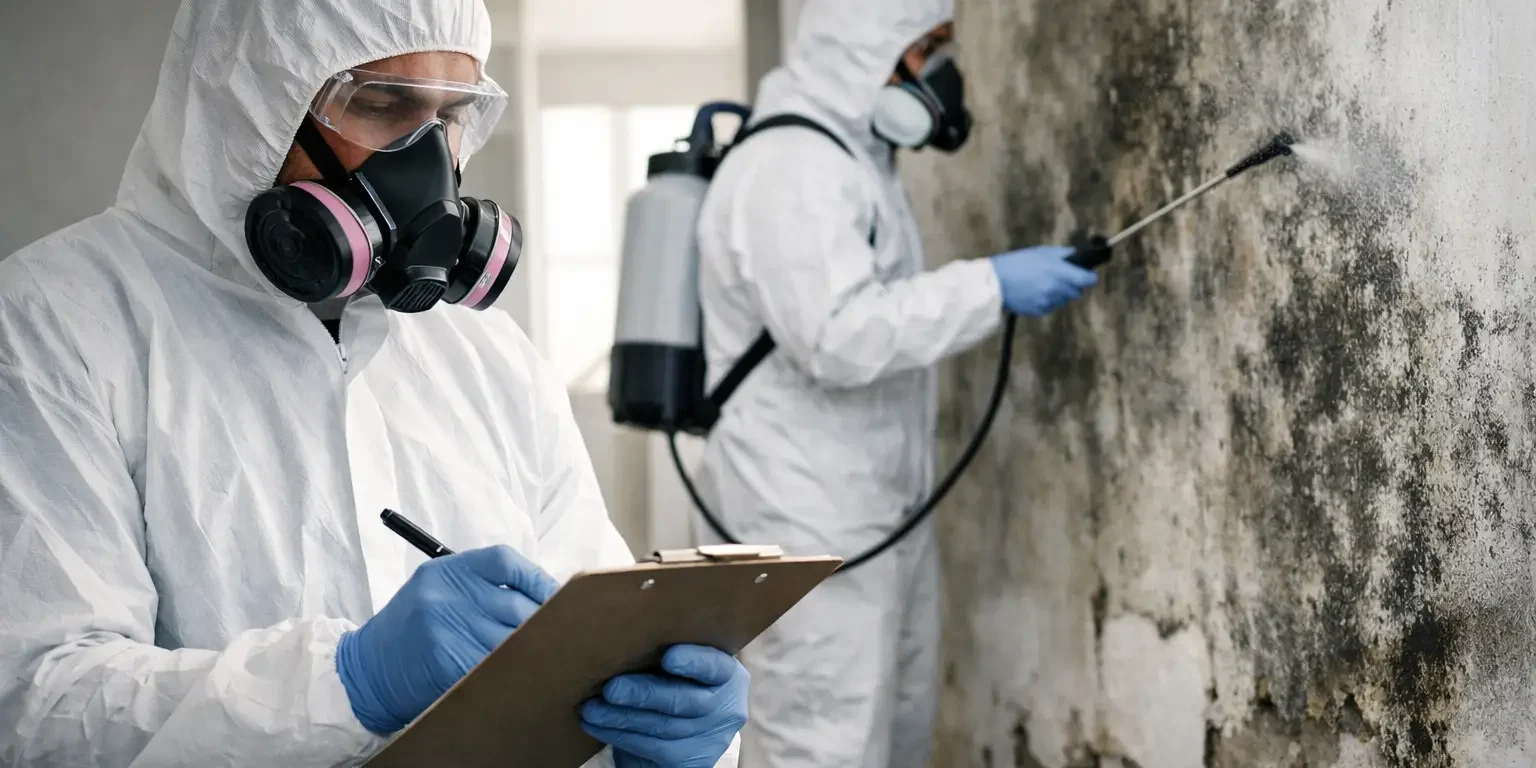
A sound protocol should spell out how the work area will be isolated. That may include plastic containment barriers, negative air pressure, HEPA filtration, and controlled debris handling. These steps protect occupants and help prevent mold fragments and spores from spreading through the building during demolition and cleanup.
This is one reason improper remediation can make a situation worse. Tearing into contaminated materials without containment can send particles into adjacent rooms, HVAC pathways, and contents that were not originally affected.
Cleaning methods should match the material
Not every material is treated the same way. Non-porous and semi-porous materials may sometimes be cleaned if they are structurally sound and contamination is limited. Porous materials with significant growth often need removal and replacement.
A protocol should reflect that distinction. If it promises to save every material regardless of condition, be cautious. Saving materials where possible can reduce cost, but trying to salvage unsalvageable materials often leads to recurring odor, visible staining, and incomplete remediation.
Why you should not let an unqualified contractor write the protocol
A general contractor may be excellent at rebuilding a kitchen or repairing drywall, but that does not make that contractor qualified to write a mold remediation protocol. Mold projects involve contamination control, moisture mapping, occupant safety, and indoor environmental conditions. Those are specialized issues.
The biggest risk with an unqualified protocol writer is under-scoping the job. They may only address what is visible, while hidden contamination remains behind trim, inside wall cavities, beneath flooring, or in adjacent spaces impacted by the same moisture event.
The second risk is over-scoping. Some companies use fear to sell unnecessary demolition. Not all mold is toxic, and not every job requires a full gut. A professional protocol should be measured, evidence-based, and tied to actual conditions, not panic.
This is why certifications, standards knowledge, and hands-on mold experience matter. The right professional protects your health and your budget at the same time.
When testing is part of the protocol process
Testing is not mandatory in every mold case, but it is often useful when the extent of contamination is unclear, hidden growth is suspected, a real estate transaction is involved, or occupants are concerned about indoor air quality.
A qualified professional may use visual inspection, moisture readings, thermal imaging, air sampling, surface sampling, or cavity assessment to help define the scope before writing the protocol. The protocol then becomes more precise because it is based on evidence rather than assumptions.
There is an important nuance here. Testing alone does not solve a mold problem. Lab numbers are only useful when paired with a competent inspection and a practical remediation plan. If someone offers sampling without a clear path to source identification and correction, you are not getting the full picture.
How to tell if the person writing the protocol is credible
Start by asking about mold-specific certifications, inspection experience, and familiarity with recognized remediation standards. Ask whether they identify moisture sources, document the affected areas, and provide written instructions for containment and cleanup. Ask who performs the remediation and whether post-remediation verification is recommended.
Listen closely to how they talk about the problem. Qualified professionals tend to be direct and calm. They explain what is known, what still needs to be confirmed, and what the safest next step is. They do not treat every patch of mold as a catastrophe, and they do not promise miracle shortcuts.
You should also expect procedural clarity. A credible provider can explain the order of work – inspection, testing if needed, source correction, protocol development, containment, removal, cleaning, and clearance. If that sequence sounds blurry, the project probably is.
For property owners in New Jersey and nearby service areas, working with a specialized company such as Certified Mold Removal Inc. can simplify the process because inspection, testing, protocol development, and remediation are handled with one standards-based approach.
Who does mold remediation protocol for insurance, tenants, or commercial properties?
These cases usually require tighter documentation. In rental properties, multi-family buildings, offices, retail spaces, schools, and medical environments, the protocol may need to support communication between owners, managers, tenants, insurers, and remediation crews.
That usually means the protocol writer should be especially strong in documentation, site controls, and scope definition. Commercial jobs may also require phased work, off-hours scheduling, occupant protection planning, and clearer clearance benchmarks before spaces are reoccupied.
In these situations, experience matters just as much as certification. A technically correct protocol is only part of the job. It also has to be practical enough to execute without disrupting the entire property more than necessary.
The better question is not just who writes it, but who stands behind it
A mold remediation protocol has real value only when it leads to safe, disciplined work. The best outcomes happen when the protocol is written by someone who understands how mold behaves in buildings, how moisture migrates, and how remediation should be performed without spreading contamination.
If you are dealing with mold, do not start by asking who can tear it out the fastest. Start by asking who can diagnose it correctly, define the scope honestly, and protect the people inside the property while the work gets done.
That one decision usually determines whether you solve the problem once or keep paying for it twice.