A pipe bursts at 11 p.m., the basement carpet is soaked, and by morning the air already smells musty. That is the kind of situation where a 24 hour mold remediation service stops a water problem from turning into a bigger indoor air quality problem. Fast response matters, but speed only helps when it comes with proper diagnosis, source correction, and safe remediation.
For homeowners, property managers, and business owners, mold is not just about what you can see on drywall or around vents. It is often tied to a moisture source that keeps feeding contamination behind walls, under flooring, or above ceilings. Waiting too long can increase cleanup costs, extend building downtime, and create avoidable exposure for occupants.
What a 24 hour mold remediation service is really for
A true emergency response is not about spraying chemicals on visible growth and calling it done. A professional 24 hour mold remediation service is designed for situations where time affects the scope of damage, occupant safety, or business continuity. That usually means recent water intrusion, active leaks, sewage-related moisture events, HVAC-related humidity problems, or mold spreading in occupied areas.
Not every mold issue is a middle-of-the-night emergency. A small, isolated spot in a bathroom with no underlying leak may not require an overnight response. But if moisture is active, occupants are vulnerable, or contamination is spreading through porous materials, waiting several days is rarely the smart move.
That distinction matters because honest remediation starts with the facts. Not all mold is dangerous, and not every stain is a crisis. The right contractor should tell you what is urgent, what can wait a day, and what steps are needed to prevent a manageable problem from becoming a major one.
Signs you should call immediately
The clearest trigger is recent water damage. Mold can begin developing quickly when drywall, insulation, wood, carpet, or contents stay wet. If a roof leak, pipe break, appliance failure, sump issue, or storm event has introduced moisture into the building, quick intervention can reduce secondary damage.
Another reason to call right away is visible mold growth that appears to be expanding. If you notice dark staining spreading across drywall, baseboards, ceiling tiles, or framing, there is usually a moisture condition supporting it. Cleaning the surface without addressing the source does not solve the problem.
Odor is another warning sign people underestimate. A strong musty smell, especially after a flood or leak, often points to hidden moisture and microbial growth in cavities you cannot see. In commercial buildings and multifamily properties, that smell can travel through shared air pathways and affect more than one unit or workspace.
You should also move quickly if the space is occupied by young children, elderly adults, or anyone with respiratory sensitivity. The issue is not panic. It is exposure management. The longer active contamination remains in an occupied environment, the harder it becomes to control air quality and limit disruption.
Why speed helps, but diagnosis comes first
A rushed contractor can be as costly as a slow one. The goal is not simply to arrive fast. The goal is to make the right decisions fast.
Professional remediation begins by identifying where the moisture came from and whether it is still active. Without that step, mold often returns. If a wall was dried incompletely, if a crawlspace humidity issue is unresolved, or if an HVAC system continues distributing damp air, cosmetic cleanup will fail.
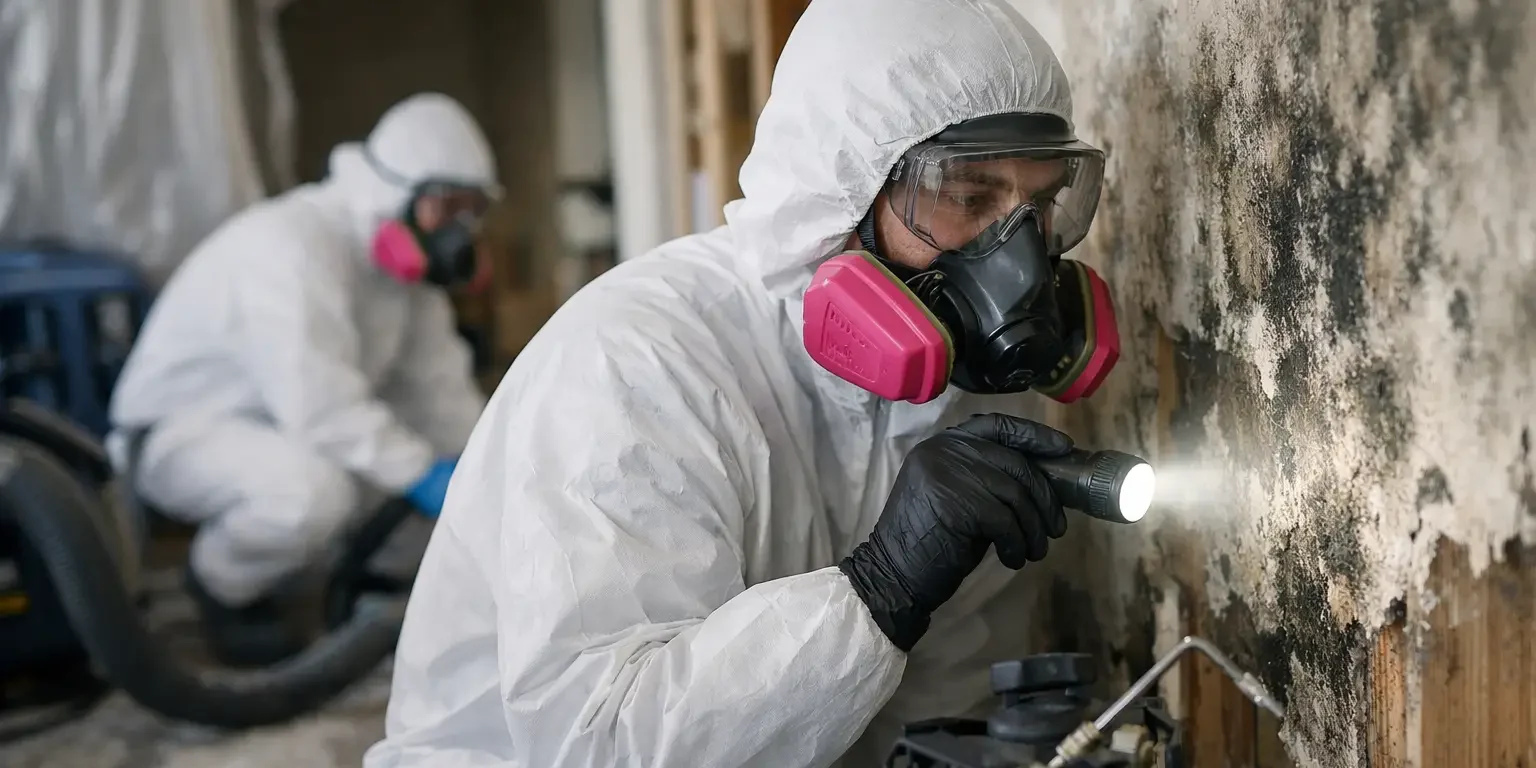
This is where certified specialists separate themselves from general contractors. A standards-based approach looks at the extent of contamination, the materials involved, the likelihood of hidden growth, and the controls needed to protect indoor air during removal. In many cases, containment, negative air management, HEPA filtration, and controlled demolition are necessary. In smaller cases, the scope may be more limited. It depends on what the inspection shows.
What happens during an emergency response
When you call a qualified team, the first priority is stabilization. That may include documenting the affected areas, identifying the water source, isolating contaminated zones, and protecting unaffected parts of the property from cross-contamination. If materials are actively wet, drying measures may begin right away, but only after the situation has been evaluated properly.
Inspection and moisture assessment
Emergency mold work should start with inspection, not guesswork. Technicians assess visible damage, moisture migration, building materials, and conditions that suggest hidden contamination. In some cases, testing may be appropriate to support a remediation protocol or clarify what is and is not mold-related.
Containment and air protection
If mold disturbance is likely, containment is critical. This helps keep spores and particulate from spreading into clean areas. The right setup depends on the size of the loss, the building layout, and how occupied the property is. A single-family home, medical office, retail space, and apartment building all present different containment challenges.
Source correction and removal
Remediation is not cleaning around the problem. It means removing contaminated materials when needed, cleaning salvageable surfaces correctly, and correcting the moisture source behind the growth. Sometimes that means opening walls, removing insulation, lifting flooring, or addressing ventilation and drainage issues.
Final cleaning and verification steps
Once removal is complete, the work area should be cleaned carefully using methods appropriate for mold remediation, not ordinary janitorial cleanup. Depending on the job, post-remediation evaluation may be recommended before the area is returned to normal use.
Common mistakes people make in the first 24 hours
One common mistake is using bleach as a cure-all. On non-porous surfaces, it may affect surface staining, but it does not reliably solve mold growth inside porous materials like drywall or wood. It also does nothing to fix the moisture source.
Another mistake is running fans aggressively before the area is assessed. Drying is important, but uncontrolled airflow can spread contamination if mold is already present. The same goes for tearing out materials without containment. What feels like fast action can make cleanup broader and more expensive.
Property owners also lose time by calling companies that do not specialize in mold. Water restoration and general contracting overlap with remediation, but they are not the same service. Mold work requires proper containment, procedural discipline, and a clear understanding of how to protect occupants during removal.
Choosing the right 24 hour mold remediation service
If you need emergency help, credentials and process matter more than sales pressure. Look for a company that explains what it is seeing, what requires immediate action, and what the next steps are. A qualified team should be able to discuss inspection findings, containment strategy, source correction, and remediation scope without using scare tactics.
That is especially important in occupied homes and businesses. You need a contractor who understands that the job is not just to remove visible contamination. It is to protect the people using the space while restoring safe conditions as efficiently as possible.
In regions with older housing stock, humid summers, storm exposure, and dense multifamily development, fast response can be a major advantage. In parts of New Jersey, New York, Pennsylvania, and Connecticut, delays after water events are common because people assume they can wait a few days and see what happens. Often, those few days are exactly when hidden damage expands.
Certified Mold Removal Inc. approaches emergency response the way it should be handled – with urgency, technical discipline, and a focus on the source of the problem, not just the surface symptoms.
The real cost of waiting
People often hesitate because they are hoping the issue is minor. Sometimes it is. But when active moisture is involved, delay usually works against you. Wet materials deteriorate, odors become harder to remove, hidden cavities stay damp, and occupant complaints tend to increase rather than fade.
The cost question is not just what remediation will cost today. It is what the delay may add tomorrow in reconstruction, tenant disruption, missed business use, or repeated cleanup after an incomplete first attempt. Quick, competent action often preserves more materials and keeps the project more controlled.
If you suspect mold after a leak, flood, humidity event, or unexplained indoor odor, trust the pattern, not wishful thinking. The right emergency response does not create fear. It creates clarity, contains the problem, and helps you move forward safely.