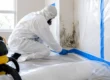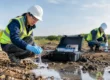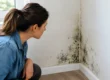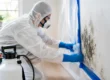
A pipe bursts on a Saturday night, the basement gets dried out by Sunday, and by midweek the house smells musty. That is usually the moment people realize mold inspection after water damage is not a cosmetic step – it is how you find out whether moisture is still trapped behind walls, under flooring, or inside insulation before a small problem turns into a remediation project.
Water damage and mold do not follow the same timeline, which is why many property owners get caught off guard. Standing water is obvious. Hidden moisture is not. Materials can feel dry on the surface while remaining damp underneath, especially drywall, subfloors, baseboards, carpeting, and wood framing. Once that happens, mold can begin developing out of sight, and the first visible sign may show up long after the original leak or flood seems resolved.
Why mold inspection after water damage matters
The main purpose of an inspection is not to create panic. It is to answer three practical questions: Is mold present, where is the moisture coming from, and how far has the damage spread? Those answers shape the next step.
Not all mold growth requires the same response. A small, isolated area caused by a brief, corrected leak is different from contamination tied to an ongoing plumbing issue, roof leak, HVAC condensation problem, or poor drying after a flood. That distinction matters because improper cleanup can spread spores, worsen indoor air quality, and leave the source untouched.
This is also where experienced specialists separate themselves from general contractors or handymen. A qualified mold inspector is looking beyond surface staining. They are evaluating moisture behavior, building materials, air movement, and the conditions that allow microbial growth to continue.
When to schedule a mold inspection after water damage
Timing depends on what happened and how quickly the property was dried. If there was significant flooding, a leak that went unnoticed, or water intrusion that affected porous materials for more than a day or two, an inspection should happen quickly. The longer moisture remains in place, the greater the chance of hidden growth.
You should also schedule an inspection if you notice a persistent musty odor, discoloration on walls or ceilings, peeling paint, swelling trim, warped flooring, or recurring allergy-like symptoms indoors. In commercial spaces, complaints about air quality, visible staining around HVAC areas, and repeated moisture events are strong reasons to bring in a certified professional.
Sometimes the right moment is after emergency drying but before rebuilding. That is often the smartest window because damaged materials are still accessible, moisture readings are meaningful, and decisions can be made before new drywall, flooring, or finishes hide a problem.
What a professional inspection should include
A real inspection is more than a visual walk-through. It starts with understanding the water event itself – clean water from a supply line, repeated humidity issues, roof intrusion, appliance leaks, sewage backup, or storm-related flooding all create different risk profiles.
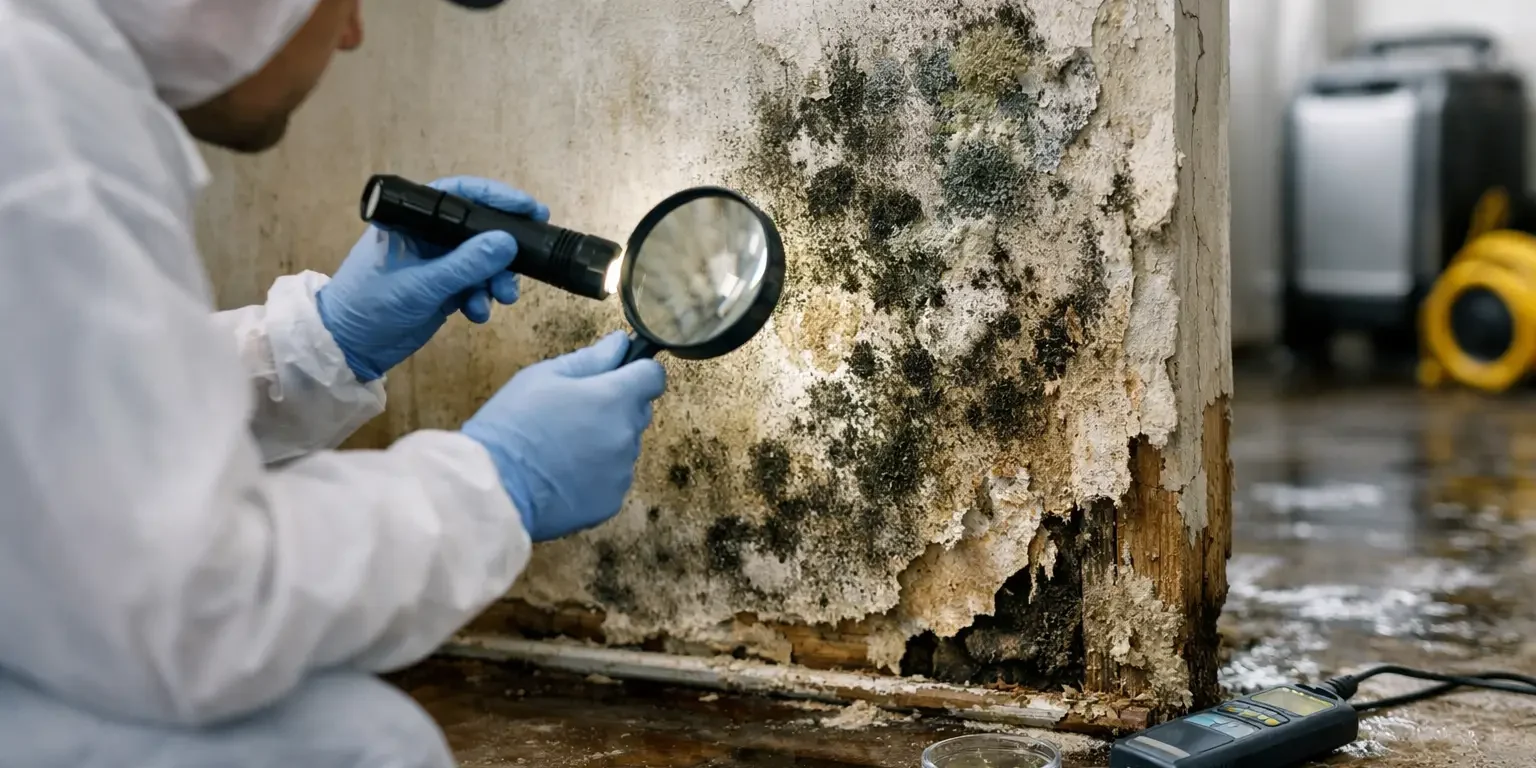
The inspector should examine the visibly affected areas and the adjacent spaces where water may have migrated. Moisture meters, thermal imaging, and other diagnostic tools help identify damp conditions that are not obvious to the eye. This is especially important around wall cavities, ceiling assemblies, crawl spaces, attics, and under finished flooring.
If conditions suggest active or suspected contamination, sampling may be appropriate. That can include air samples, surface samples, or both, depending on the circumstances. Sampling is not necessary in every single case, and honest professionals will tell you that. If mold is clearly visible on a water-damaged material, the priority may be source correction and remediation planning rather than testing for the sake of testing. But when the concern involves hidden contamination, indoor air quality complaints, post-remediation verification, or disputes in rental and commercial settings, testing can provide useful documentation.
A proper inspection should end with clear findings. You should know what was found, what caused it, whether materials can be cleaned or need removal, and what containment or remediation steps are recommended.
Common places mold hides after a water event
One reason water losses become mold problems is that moisture rarely stays where it first appears. Water follows gravity, capillary action, and temperature differences. It can move into insulation, framing, subfloor systems, and nearby rooms before anyone notices.
Drywall is a frequent problem area because it absorbs and holds moisture. Insulation behind that drywall can stay wet much longer than expected. Cabinets, especially in kitchens and bathrooms, can trap moisture against walls. Flooring systems are another common issue. Wood, laminate, and vinyl surfaces may look intact while moisture remains below them.
Basements and crawl spaces deserve special attention because they already tend to have higher humidity and lower airflow. In those settings, even a minor leak can create conditions mold likes. Commercial properties often have similar trouble in utility rooms, around rooftop units, above drop ceilings, and near plumbing chases.
Why DIY inspection often misses the real issue
Property owners can and should look for visible warning signs, but that is not the same as evaluating a building after water damage. Bleach, paint, or surface cleaning does not tell you whether the wall cavity is wet. A dehumidifier helps, but it does not confirm the structure is dry enough or that contamination has not spread.
The bigger risk with DIY efforts is false confidence. People clean the visible spot, assume the problem is handled, and then discover months later that the odor never went away because the leak was still active or the damaged materials were never properly opened, dried, or removed.
There is also a safety issue. Disturbing contaminated materials without containment can release spores into occupied spaces. That is one reason standards-based inspection and remediation matter. The goal is not just to remove what you see. It is to protect the people living or working in the building while the problem is being corrected.
What happens if mold is found
If mold is identified, the next step should be guided by the extent of contamination and the source of moisture. Source correction comes first. If the roof still leaks, the pipe still sweats, or the basement still takes on water, cleanup alone will fail.
From there, the plan may involve containment, removal of unsalvageable materials, HEPA filtration, detailed cleaning, drying, and post-remediation verification when appropriate. The exact scope depends on the size of the affected area, the type of materials involved, and whether sensitive occupants, tenants, or employees are present.
This is where written documentation matters. Homeowners want to protect their investment. Property managers need defensible records. Business owners need a process that addresses safety without unnecessary disruption. A professional protocol helps keep the work focused, compliant, and cost-conscious.
Choosing the right company for mold inspection after water damage
Credentials matter because this work is technical. You want a company that understands moisture mapping, mold sampling, remediation protocols, containment practices, and indoor air quality protection. You also want straight answers. Not every water event creates a serious mold condition, and any company that treats every stain like a catastrophe is not serving you well.
Look for specialists who can explain what they found, why it matters, and what should happen next. Ask whether they follow recognized industry standards and whether they can handle the process from diagnosis through remediation if needed. Speed matters too. After a water loss, delays allow moisture problems to expand.
For property owners in New Jersey, New York, Pennsylvania, and Connecticut, local response time can make a real difference when wet materials, tenant concerns, or business interruption are part of the situation. Certified Mold Removal Inc. positions its work around that urgency, but also around something just as important – diagnosing the problem correctly before recommending cleanup.
A smart inspection protects more than the building
People often think of mold as a wall problem. It is really a building condition problem. It affects indoor air quality, occupant confidence, renovation costs, insurance documentation, tenant relations, and long-term property value. A careful inspection gives you a factual starting point instead of guesses.
If your property has had a leak, flood, overflow, or persistent moisture issue, the right response is not to wait for visible growth to spread. It is to find out what is happening behind the surfaces now, while the solution is still manageable and the building can be protected the right way.