A basement that smells musty after heavy rain, a bathroom ceiling with spreading spots, a tenant complaint about headaches near a damp wall – these are the moments when Fairfield County mold remediation needs to be handled carefully, not casually. Mold problems are rarely just about what you can see. The real issue is where the moisture is coming from, how far contamination has spread, and whether cleanup will protect the people inside the building.
That is where many projects go off course. A handyman wipes the surface, a maintenance team paints over staining, or a general contractor tears out material without proper containment. The visible mold may look better for a week or two, but the underlying conditions remain. In some cases, the cleanup itself makes indoor air worse by disturbing spores and carrying them into other rooms.
What Fairfield County mold remediation should include
Proper remediation starts with diagnosis. That means identifying the water source, evaluating the affected materials, and determining whether contamination is limited to one area or moving through wall cavities, crawl spaces, attics, HVAC pathways, or adjacent rooms. Not every mold issue requires the same level of response, and that distinction matters.
A small amount of growth on a non-porous surface in a well-ventilated area is not the same as widespread contamination after a hidden plumbing leak. One may call for limited cleaning and moisture correction. The other may require a written remediation protocol, engineering controls, careful material removal, and post-cleaning verification. The right approach depends on the building, the extent of damage, and who occupies the space.
In homes, the concern is often family health and protecting property value. In commercial spaces, there is also the pressure of keeping operations moving while reducing liability and indoor air complaints. In both cases, the first step should be the same – inspect before you disturb anything.
Why source correction matters more than surface cleaning
Mold is a moisture problem before it becomes a cleanup problem. If the source is not corrected, remediation becomes expensive housekeeping. You can remove damaged drywall, HEPA vacuum surfaces, and clean structural framing, but if humid air is still condensing behind a wall or water is still entering through the foundation, growth can return.
That is why a standards-based process looks beyond staining. A qualified team checks for roof leaks, plumbing failures, poor drainage, failed waterproofing, condensation around HVAC lines, bathroom exhaust issues, and chronic humidity. In Fairfield County properties, seasonal moisture swings, finished basements, older windows, and tightly sealed buildings can all contribute to indoor conditions that support mold growth.
There is also a trade-off to consider. Some owners want the fastest possible fix, especially when a sale, lease renewal, or reopening deadline is involved. Speed matters, but speed without proper moisture control usually costs more later. The better path is efficient action with the right sequencing – identify, contain, correct the source, remove contamination, and verify the area is clean and dry.
When testing is helpful and when it is not
Testing has a clear role, but it should not be used as a scare tactic. If mold is visibly growing on building materials, there is already a problem that needs to be addressed. In that situation, testing may help define the extent of contamination, identify affected areas beyond what is visible, or document conditions for a property manager, buyer, seller, or insurance-related discussion. It does not replace remediation.
In other cases, testing becomes more valuable. If occupants notice musty odors but no growth is visible, air and surface sampling can help determine whether hidden contamination is likely. If there is a dispute between tenants and management, or questions about whether cleanup was effective, testing can provide objective data. If sensitive occupants are involved, documented inspection findings and a clear remediation protocol are especially useful.
The key is to use testing to answer a real question. Good professionals do not oversell lab results. They interpret them in the context of moisture conditions, visible damage, and building history.
The safest Fairfield County mold remediation process
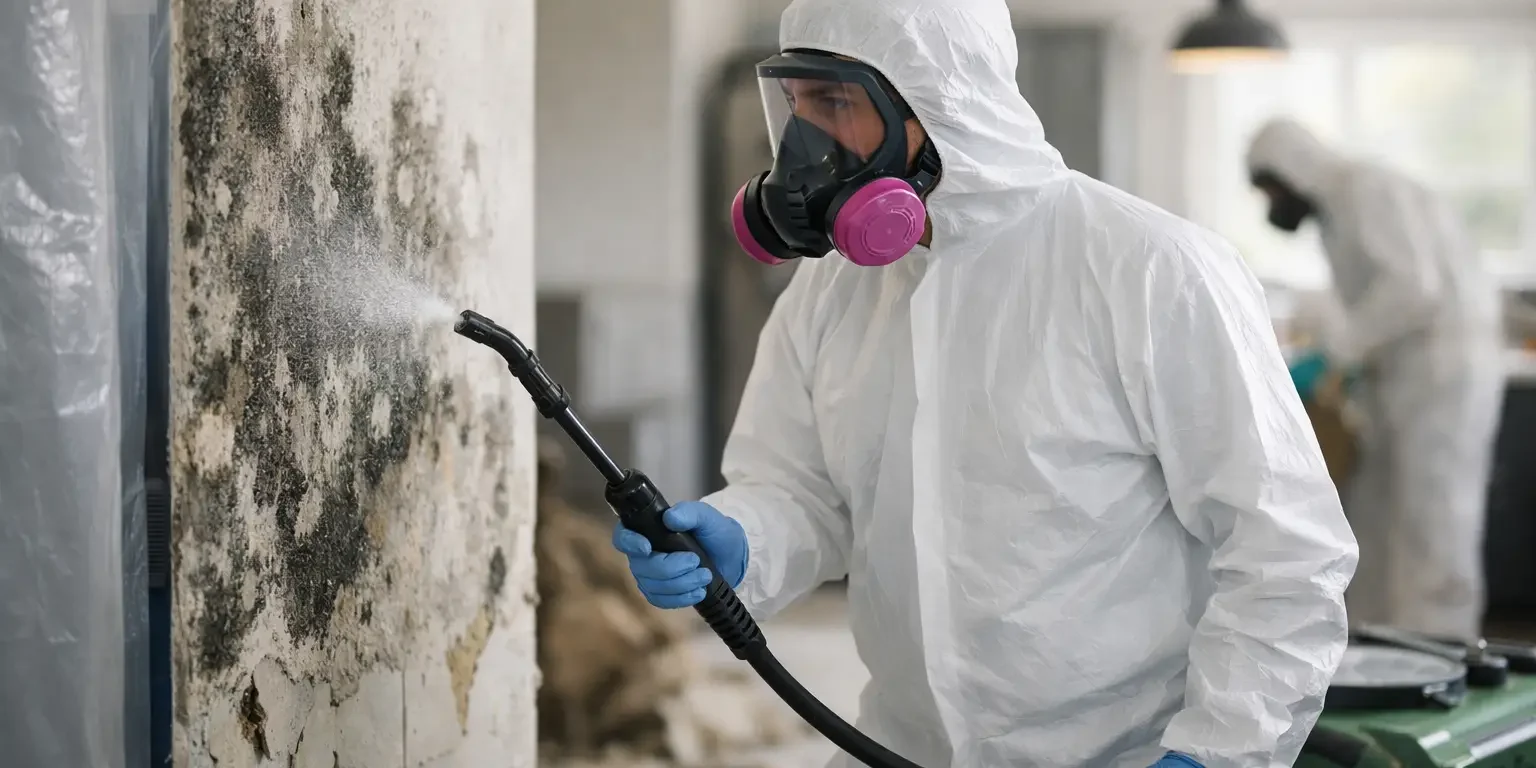
Containment is one of the biggest differences between trained remediation specialists and unqualified cleanup crews. Once contaminated material is disturbed, spores and particulates can spread quickly if the work area is not isolated. That is why professional remediation often includes containment barriers, negative air pressure, HEPA filtration, controlled demolition, and detailed cleaning of the affected space.
The goal is not just to remove damaged materials. It is to protect unaffected areas and preserve indoor air quality during the project. That matters in occupied homes, apartment buildings, offices, retail spaces, schools, and medical environments where cross-contamination can create a much larger problem.
Material decisions also require judgment. Some items can be cleaned successfully. Others should be removed because they are porous, deteriorated, or too heavily affected. Drywall, insulation, ceiling tiles, and carpet padding often fall into that second category once contamination is established. Structural wood may be salvageable if it is cleaned properly and the moisture source is corrected. It depends on the condition of the material, how long it has been wet, and whether growth is superficial or embedded.
Why DIY mold removal often backfires
Most property owners are trying to save money when they attempt mold cleanup on their own. That instinct is understandable. The problem is that mold work is not just about wiping a surface with a chemical. Without proper containment, PPE, and filtration, DIY work can spread contamination well beyond the original area.
There is also the issue of incomplete diagnosis. If the visible mold is only the edge of a hidden problem, cleaning the surface does very little. Behind the wall, under the flooring, or above the ceiling, moisture may still be feeding active growth. By the time the odor returns, more material may be affected.
Even when the area seems small, judgment matters. Bathrooms, attics, crawl spaces, and basements can conceal larger conditions. Commercial properties add another layer of complexity because occupant complaints, maintenance records, and ventilation performance all need to be considered together.
Choosing a remediation company in Fairfield County
Not every contractor advertising mold services is equipped to handle mold correctly. Some companies lead with fear. Others skip testing, skip source investigation, or start demolition before establishing containment. That may create a dramatic sales pitch, but it is not a disciplined remediation plan.
A credible mold specialist should be able to explain the process in plain language. They should inspect first, discuss likely moisture sources, define the scope of work, and describe how they will protect the rest of the property during cleanup. Credentials matter too. Training aligned with OSHA, EPA, MICRO, and IICRC expectations shows a commitment to procedure, worker safety, and indoor environmental standards.
Fast response is also important. Mold growth can worsen after water damage, and delays can increase both repair scope and occupant disruption. But urgency should still come with technical control. The best companies move quickly without cutting corners.
For homeowners, that means clear answers and no pressure. For property managers and business owners, it means documentation, professional communication, and a remediation plan that supports safe re-occupancy. Certified Mold Removal Inc. built its reputation around that kind of full-cycle response – inspection, testing, protocol, source-focused remediation, and careful cleanup.
What to do if you suspect mold now
If you see discoloration, smell mustiness, or have had recent water intrusion, avoid disturbing the area. Do not sand, scrape, or tear out material just to see how far it goes. Limit access if possible, especially for children, older adults, or anyone with respiratory sensitivities.
Document what you are seeing, note when the problem started, and think about any recent leaks, flooding, humidity spikes, or HVAC issues. Then bring in a qualified mold professional who can inspect the property and determine whether the issue is isolated or more extensive.
Mold does not always mean catastrophe, but it does require a correct response. The right remediation plan protects more than drywall and flooring. It protects air quality, occupancy, and the long-term condition of the building. If something in your Fairfield County property does not look or smell right, treating it early and treating it properly is usually the least expensive move you can make.