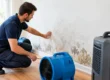
A few spots of mold around a shower caulk line and a damp, musty basement wall are not the same problem. Knowing how to remove mold safely starts with an honest assessment of the size of the affected area, the material involved, and the moisture source feeding it. Cleaning visible growth without correcting the leak, humidity issue, or water intrusion behind it is not remediation. It is a temporary cosmetic fix.
Mold is common in buildings, particularly after plumbing leaks, roof damage, flooding, appliance failures, or prolonged humidity. Not all mold creates the same level of concern, and fear-based claims do not help property owners make sound decisions. What matters is controlling exposure, preventing spores from spreading, removing contaminated material when needed, and returning the space to normal dry conditions.
How to Remove Mold Safely: Start With the Scope
Before touching the affected surface, determine whether the job is truly small and isolated. A limited patch on a hard, nonporous surface may be manageable with careful cleaning. A larger area, repeated growth, hidden staining, strong odors, or mold following significant water damage calls for a professional inspection and a written remediation plan.
A practical rule is to treat mold affecting more than roughly 10 square feet as a professional remediation project. That threshold is not a substitute for judgment. Even a smaller visible area may indicate a much larger hidden problem if it is on drywall, under flooring, behind cabinetry, inside an HVAC system, or beneath a ceiling after a leak.
You should also avoid do-it-yourself cleanup when occupants have severe respiratory sensitivities, compromised immune systems, or when the affected area is in a commercial or multi-unit property. In those settings, improper cleanup can affect tenants, employees, neighboring units, and normal building operations.
Find and Stop the Moisture First
Mold cannot continue growing without moisture. The first corrective step is identifying why the material became damp in the first place. Common causes include a slow supply-line leak, failed shower grout or caulk, roof intrusion, condensation on cold surfaces, poor bathroom ventilation, basement seepage, or indoor humidity that stays too high.
Do not begin cleaning while water is still entering the structure. Repair the plumbing issue, close the roof opening, improve drainage, or correct the ventilation problem first. Then dry the area thoroughly. Fans and dehumidifiers can help dry an unaffected room, but they should not be aimed across an active mold area because aggressive airflow can disturb spores and carry them into cleaner spaces.
For homeowners in humid coastal communities and older homes throughout Monmouth County, basement and crawlspace moisture often returns season after season. If the same stain or odor keeps coming back, the building needs a source diagnosis, not another bottle of cleaner.
Protect Yourself and Keep Mold Contained
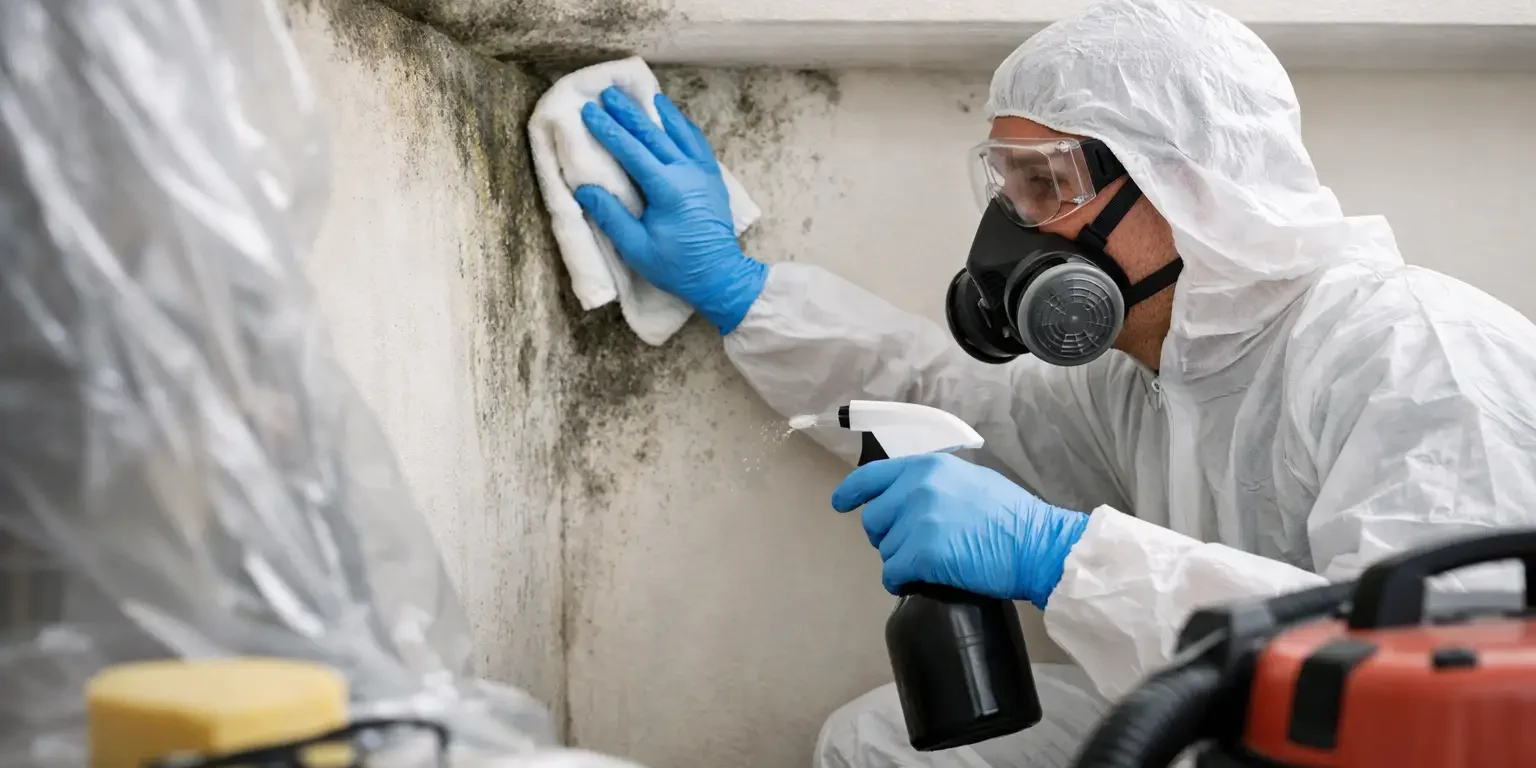
For a genuinely small cleanup, protect your skin, eyes, and lungs before beginning. Wear gloves, sealed eye protection, and a properly fitted N95 respirator at minimum. Disposable coveralls are a sensible addition when cleaning overhead growth, working in a confined area, or handling material that may need to be discarded.
Keep children, pets, and other occupants away from the work area. Close doors to nearby rooms. If the affected room has a window that opens directly outdoors, limited ventilation may be helpful, provided it does not create a strong cross-breeze through the home. Do not use a household fan to blow across the contaminated surface.
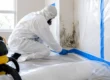
Avoid dry scraping, dry brushing, sanding, or using an ordinary vacuum. Those methods can release particles into the air and spread contamination to furniture, carpeting, and adjacent rooms. A professional containment setup uses barriers, controlled entry procedures, and specialized air-filtration equipment when the scope requires it. That level of control is one reason larger projects should not be handled like routine cleaning.
Clean Hard Surfaces Carefully
Nonporous materials such as glass, metal, tile, and sealed plastic can often be cleaned when the mold is limited and the moisture problem has been corrected. Use a detergent or cleaner suitable for the surface, apply it with a damp cloth or sponge, and wipe the area carefully. Do not saturate surrounding drywall, wood trim, or other absorbent materials.
After cleaning, wipe away residue with clean water if the product instructions require it, then dry the surface completely. Dispose of used towels, sponges, gloves, and other disposable items in a sealed bag. Wash reusable clothing separately after the work is complete.
Bleach is often treated as a universal answer, but it is not a complete mold-remediation strategy. It can discolor surfaces, create irritating fumes, and does not correct moisture conditions or reliably address mold rooted in porous materials. Never mix bleach with ammonia, acids, or other cleaning products. If you choose any cleaning product, follow its label directions and make sure the room is adequately ventilated.
Know When Materials Must Be Removed
Mold on porous building materials is different from mold on tile. Drywall, insulation, ceiling tiles, carpeting, upholstered furnishings, particleboard, and some unfinished wood can absorb moisture and support growth below the visible surface. Once contamination is established in these materials, surface wiping may leave the underlying problem in place.
Wet insulation and mold-damaged drywall commonly need controlled removal. The same may apply to carpet padding, damaged baseboards, and other materials that cannot be thoroughly cleaned and dried. Removing these materials without containment can spread debris and spores throughout the property, especially if walls or ceilings are opened before the work area is isolated.
This is where a qualified mold professional provides real value. Proper remediation is not simply demolition. It involves defining the work area, protecting unaffected portions of the building, removing impacted materials safely, cleaning remaining structural surfaces, correcting the source, and verifying that the space is dry and suitable for reconstruction.
Do Not Cover Up the Evidence
Painting over mold, applying fragrance products, or sealing a damp surface can make a room look better for a short time while the underlying condition worsens. Musty odors are especially worth taking seriously. They may indicate hidden moisture or concealed growth even when no obvious mold is visible.
Pay attention to practical warning signs: a ceiling stain that expands after rain, recurring discoloration around windows, warped baseboards, peeling paint, persistent condensation, or a basement that smells damp despite regular cleaning. These are building-condition clues, not just housekeeping issues.
Testing can be useful when the source is unclear, when a property has ongoing indoor air quality concerns, or when documentation is needed for a larger remediation decision. Testing alone should not replace a thorough visual inspection and moisture assessment. The results need to be interpreted alongside what is happening in the building.
When to Call a Certified Mold Specialist
Call for professional help promptly if the mold covers a large area, returns after cleaning, follows a flood or major leak, appears inside walls or ceilings, affects HVAC components, or is accompanied by a persistent odor. A professional assessment is also the right move before reopening a commercial space, turning over a rental unit, or beginning renovations in a water-damaged area.
Ask direct questions before hiring anyone: What is the moisture source? How will the work area be contained? Which materials can be cleaned, and which must be removed? How will dust and debris be controlled? Is there a written scope or remediation protocol? Clear answers are a sign of a disciplined process, not an attempt to create unnecessary alarm.
Certified Mold Removal Inc. approaches mold concerns by identifying the source before remediation begins, then using standards-based containment and cleanup methods suited to the actual conditions. That protects both the building and the people who occupy it.
A small, isolated cleanup can be reasonable when the material is hard, the area is limited, and the moisture issue is fully resolved. If any part of that picture is uncertain, pause before disturbing the area. Getting the diagnosis right is the safest way to protect your indoor air, your property, and the people who rely on both.