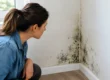
You wipe away a patch of mold under a bathroom sink, and two weeks later it is back. That is usually the moment the real question starts: professional mold removal versus DIY – which one actually solves the problem, and which one just makes it look better for a few days?
For many property owners, the appeal of DIY is obvious. A bottle of cleaner costs less than a remediation crew, and a small visible area can seem manageable. But mold is not just a stain on a surface. It is a moisture problem first, an indoor air quality issue second, and a cleanup issue third. If you treat only what you can see, you may leave behind the source, the hidden spread, or contaminated dust that moves through the property.
Professional mold removal versus DIY: the real difference
The biggest difference is not simply who does the cleaning. It is the process. DIY usually focuses on visible mold. Professional remediation starts with diagnosis – where the moisture came from, how far contamination has traveled, what materials are affected, and how to remove it without spreading spores into clean areas.
That distinction matters in homes, apartment buildings, offices, retail spaces, and medical settings. Mold behind drywall, under flooring, inside wall cavities, or above ceiling tiles is common after leaks, flooding, roof failures, plumbing problems, or long-term humidity issues. Surface cleaning alone does not address those conditions.
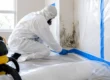
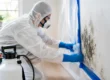
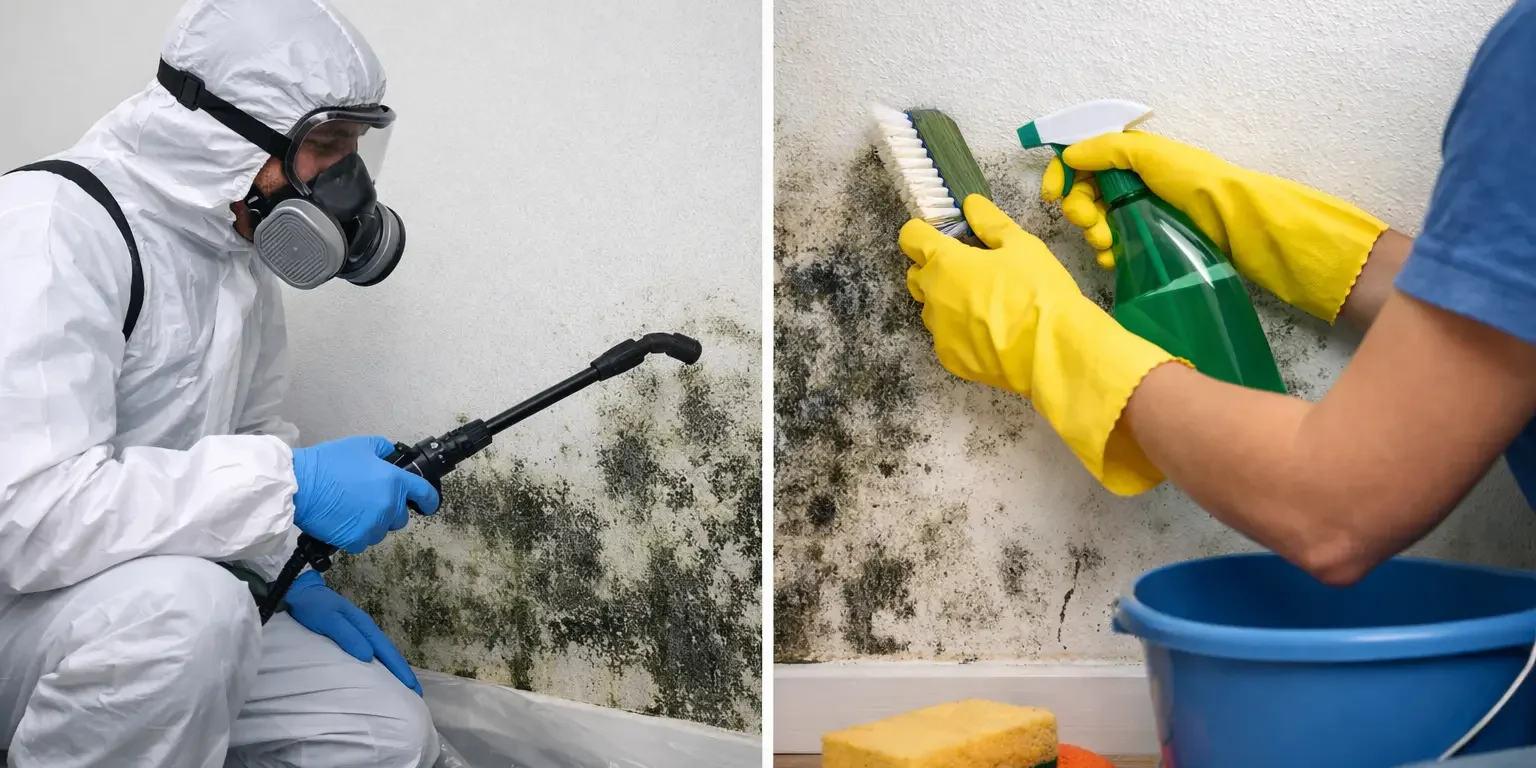
A qualified remediation team also works with containment, filtration, PPE, and removal protocols designed to protect occupants and the rest of the building. That is a very different standard from spraying bleach and scrubbing a visible patch.
When DIY may be reasonable
There are limited situations where a careful DIY response can make sense. If the mold growth is very small, isolated, and clearly tied to a simple moisture issue you can fully correct, a homeowner may be able to clean the affected non-porous surface safely. An example would be light mold on a bathroom tile wall caused by poor ventilation.
Even then, the key is honesty about the scope. If the material is porous, if there is a persistent odor, if water has been sitting inside walls, or if the same area keeps showing growth, it is no longer a simple cleaning project. It becomes an investigation and remediation issue.
DIY is also a poor fit when anyone in the building has respiratory sensitivity, asthma, immune compromise, or ongoing symptoms that may be tied to air quality. In those cases, minimizing disturbance and getting proper evaluation is the safer path.
Where DIY goes wrong
Most failed DIY mold cleanup jobs break down in three places. The first is source control. If the leak, humidity problem, drainage defect, or ventilation issue is not corrected, the mold returns. The second is underestimating spread. What is visible on the wall may be only a fraction of what is happening behind it. The third is cross-contamination. Scrubbing, sanding, or tearing out materials without containment can release particles into adjacent rooms and HVAC pathways.
That is why fear-based advice is not helpful, but casual advice is not helpful either. Not all mold is dangerous, but improper handling can turn a localized problem into a much larger cleanup.
Bleach is another common problem. People often assume it is the strongest option, but on porous materials it usually does not solve the issue at depth. It may lighten the appearance while moisture and growth remain below the surface. The result is false confidence, followed by recurrence.
What professional remediation actually includes
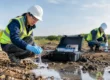
A proper mold project is more than removal. It begins with assessment. That may include visual inspection, moisture mapping, and sampling when needed to clarify what is happening. From there, the remediation plan should match the condition of the building, not a one-size-fits-all sales script.
Source correction comes first
If there is a roof leak, plumbing failure, foundation seepage, condensation problem, or elevated humidity, that issue must be addressed. Cleaning before source correction is wasted effort. The mold may come back quickly, and the underlying damage can continue to spread.
Containment protects clean areas
One of the clearest advantages of professional mold removal versus DIY is containment. When contaminated materials are disturbed, spores and debris can become airborne. Professionals isolate the work zone so affected material does not migrate through the rest of the property.
This is especially important in occupied homes, multifamily buildings, offices, schools, and businesses where keeping unaffected spaces clean matters just as much as removing the damaged material.
Removal is based on material type
Non-porous materials may sometimes be cleaned. Porous materials such as drywall, insulation, carpet padding, and certain ceiling materials are often removed when contamination is established. The right decision depends on extent, depth, and condition. A trained remediation contractor knows the difference between salvageable and unsalvageable materials.
Air cleaning and detailed cleanup matter
Professional remediation also includes particulate control and detailed cleaning of the work area. That step is often overlooked in DIY jobs. Even after visible mold is gone, residual dust and debris can remain on surfaces and in the air if the area is not cleaned correctly.
Cost is not as simple as it looks
DIY looks cheaper at the start, and sometimes it is. But only if the issue is truly minor and fully resolved. If a homeowner cleans visible mold, misses hidden damage, and later needs drywall removal, flooring replacement, odor treatment, and a larger remediation project, the low-cost option turns expensive fast.
Professional service costs more upfront because it includes expertise, equipment, labor, and procedural safeguards. But those safeguards are there for a reason. They reduce the chance of recurrence, incomplete cleanup, and contamination spreading to other areas.
For property managers and business owners, there is also the cost of delay. A small moisture issue in a vacant unit or mechanical room can become a tenant complaint, a lease issue, or an operational disruption if it is not handled correctly the first time.
Signs you should call a certified mold specialist
If the mold keeps returning, if the area is larger than a small isolated spot, if there was a significant leak or flood, or if you smell mold but cannot see it, professional evaluation is the smarter move. The same applies if drywall is soft, paint is bubbling, flooring is warping, or occupants are reporting musty odors and poor indoor air quality.
In older homes and commercial buildings, hidden moisture pathways are common. Water can travel far from the original source, which is why visible growth is not always the center of the problem.
For homeowners and property managers in New Jersey, especially in moisture-prone areas of Monmouth County, fast action matters. The longer wet materials remain in place, the more extensive the remediation can become.
The decision comes down to risk
Professional mold removal versus DIY is really a question of risk tolerance. Are you dealing with a small, surface-level issue on a non-porous material that you can clearly dry and monitor? Or are you dealing with a building problem that needs inspection, containment, and standards-based remediation?
There is nothing wrong with wanting to save money. There is also nothing wrong with wanting proof before committing to a larger project. But mold should be approached with discipline, not guesswork. A credible contractor should explain what is happening, identify the moisture source, and recommend only the level of remediation the condition actually requires.
That is the standard experienced specialists bring to the job. At Certified Mold Removal Inc., the focus is not on alarming property owners. It is on finding the source, defining the scope, and restoring the space safely.
If you are unsure whether you are looking at a small cleaning issue or a larger contamination problem, treat uncertainty itself as a sign to slow down. The smartest move is not always the fastest cleanup. It is the response that protects the building, the people inside it, and the air they breathe.