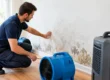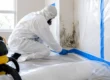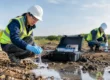
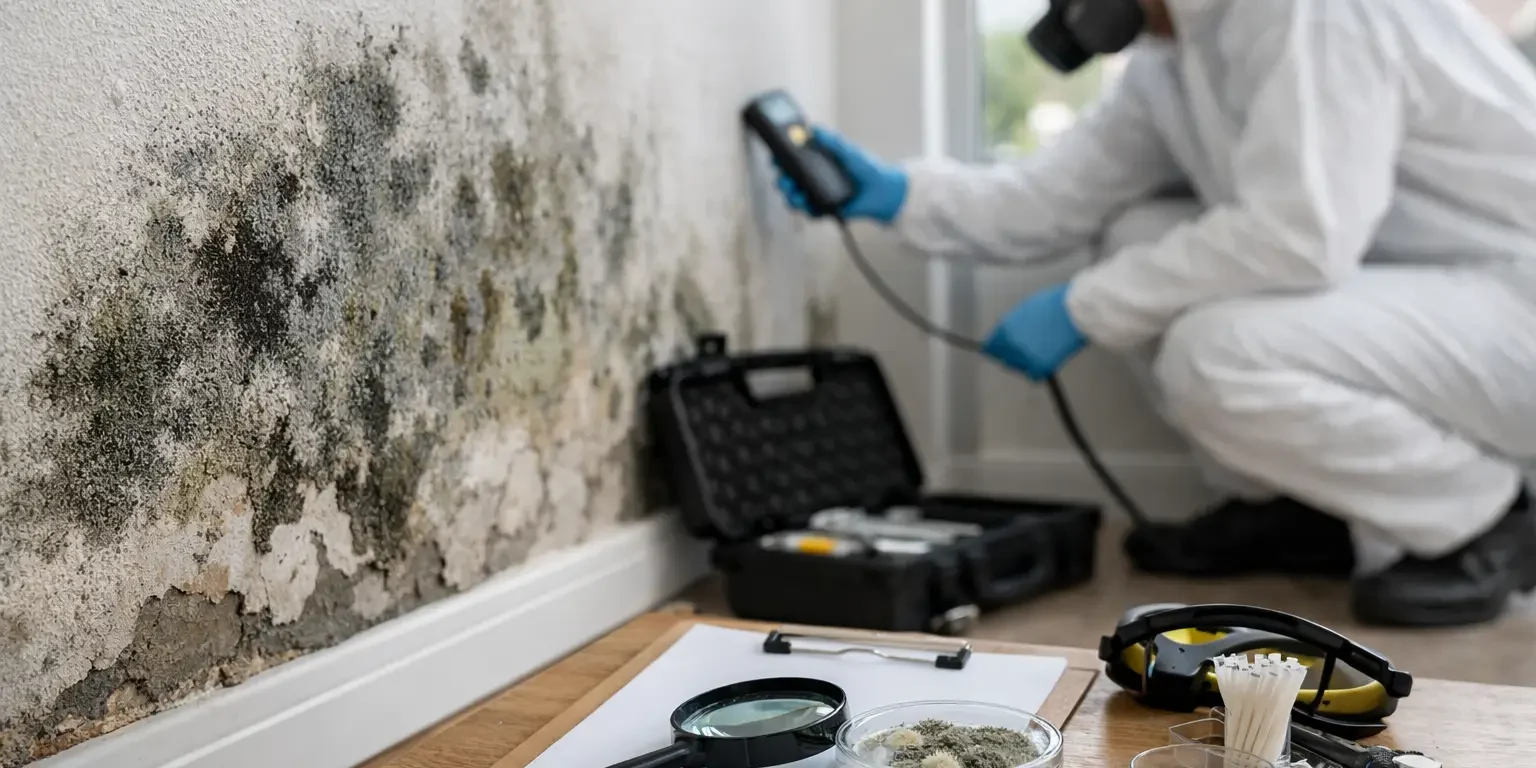
If you have a musty smell after a leak, or you can see staining spreading along drywall, the first question is usually simple: what is the New Jersey mold testing cost, and do you actually need testing before cleanup starts? The honest answer is that pricing varies, but so does the value of the service. Good testing is not a scare tactic. It is a diagnostic tool that helps determine whether mold is present, how far it has spread, and what a safe remediation plan should look like.
That distinction matters. Some mold problems are obvious and limited. Others are hidden behind walls, inside crawl spaces, above drop ceilings, or inside HVAC pathways. Paying for testing when it is not needed can waste money. Skipping testing when the contamination is unclear can lead to incomplete cleanup, repeat damage, and continued indoor air quality issues.
What affects New Jersey mold testing cost?
In most cases, New Jersey mold testing cost is shaped by the scope of the inspection more than by a flat statewide number. A small condominium with one suspected area will usually cost less to evaluate than a multi-level home with a history of water intrusion, or a commercial property where tenant complaints suggest a broader air quality issue.
The biggest cost factor is the number and type of samples collected. An inspector may recommend air samples, surface samples, cavity samples, or a combination of them. Air sampling can help compare indoor conditions to outdoor control levels, while surface sampling can identify growth on visible materials. If the source is hidden, additional investigation may be needed to narrow down where the contamination is coming from.
Property size also matters, but not in a simplistic way. A larger home does not always mean more contamination, yet it usually takes more time to inspect and may require more sampling points to produce a reliable picture. If there are several affected rooms, a basement and attic, or signs of moisture in multiple zones, the testing process becomes more involved.
Urgency can raise the price as well. Same-day response, after-hours scheduling, or emergency visits may cost more than a standard appointment. For many property owners, that extra cost is justified when there are health concerns, a pending real estate transaction, or an active leak that could make contamination worse by the day.
Typical price ranges you may see
For a straightforward residential case, mold inspection and testing may fall in the low hundreds to over a thousand dollars, depending on how many samples are needed and how complex the building is. A basic visual inspection with limited sampling will cost less than a detailed assessment with multiple air and surface samples, moisture mapping, and written recommendations.
That wide range frustrates people, but it reflects reality. Anyone quoting a one-size-fits-all number before asking about the building, the water history, and the affected areas is usually pricing the phone call, not the actual problem.
For example, if a homeowner in Monmouth County sees minor discoloration around one bathroom ceiling vent after a condensation issue, the testing scope may be fairly limited. If that same property also has a damp basement, elevated humidity, and complaints of persistent odors on the first floor, the testing strategy changes. The price should change too, because the work is no longer the same.
When mold testing is worth paying for
Testing is most valuable when the extent or source of contamination is unclear. If mold is visible but you do not know how far it has spread, testing helps define the problem. If there are health complaints, recurring odors, or a dispute between a buyer, seller, landlord, or tenant, objective samples and documented findings can be especially useful.
It is also worth considering when you need a remediation protocol instead of guesswork. Professional testing can support a written plan that identifies affected materials, containment needs, and the steps required to clean the property safely. That is a very different service from someone walking in, pointing at a stain, and recommending demolition on the spot.
Post-remediation verification can also justify the cost. After cleanup, testing may confirm that the work addressed the contamination and that indoor conditions have returned to acceptable levels. For homeowners and business owners, that peace of mind has real value, especially when occupants are sensitive, tenants are returning, or a sale is moving forward.
When testing may not be necessary
There are cases where mold testing adds little value. If contamination is visible, localized, and clearly caused by a known moisture event, a qualified specialist may determine that the better use of your budget is source correction and targeted remediation rather than extensive sampling.
For example, if a pipe burst under a sink and mold is plainly visible inside a small cabinet area, testing may not tell you anything you do not already know. The important questions become how far the moisture spread, what materials need to be removed or cleaned, and how to prevent it from returning.
This is where experience matters. An honest company should tell you when testing will help and when it will not. Not every mold issue needs a lab report. What every mold issue does need is a proper diagnosis and a safe, standards-based response.
What should be included in the price?
A lower quote is not always the better value if it leaves out the parts that actually protect you. Ask what the fee covers. In a professional mold assessment, the price may include a visual inspection, moisture detection, sample collection, lab analysis, and a written report with findings and recommendations.
Some situations require more than a simple report. If remediation is likely, a detailed protocol can be one of the most important deliverables because it defines the work instead of leaving the scope open to interpretation. That protects the property owner from vague proposals and unnecessary upselling.
You should also ask who is performing the work. Certified specialists who understand containment, indoor air quality, and moisture-driven building issues bring more value than general contractors treating testing like an add-on. Cheap sampling without a strong inspection process can miss the actual source of the problem.
Why prices vary so much between companies
Part of the spread comes down to training and process. Some companies provide a true environmental assessment. Others offer a quick visual pass and a few samples with minimal interpretation. Both may be called mold testing, but they are not equivalent services.
Another issue is business model. Companies that lead with fear often push the most expensive version of every service because the property owner is already worried. A disciplined specialist takes the opposite approach. First identify the source. Then determine whether testing is needed, how much is needed, and what the results will be used for.
That approach often saves money over the full life of the project. Accurate testing can prevent over-remediation, and honest testing can prevent under-remediation. Both mistakes are expensive in different ways.
How to budget for testing and next steps
If you are comparing quotes, think beyond the initial inspection fee. Mold problems usually involve three separate cost categories: diagnosis, source correction, and remediation. Testing sits in the diagnosis phase. It should help you spend the next dollars wisely, not simply add another line item.
If the budget is tight, tell the inspector that upfront. A credible specialist can often prioritize the most meaningful samples and explain what is essential versus optional. That does not mean cutting corners. It means matching the scope to the actual risk.
For homeowners, the smartest move is usually early action. Waiting rarely makes mold cheaper to deal with. For property managers and business owners, speed matters even more because delays can affect tenants, operations, and liability exposure. Certified Mold Removal Inc. built its process around that reality by focusing on rapid response, proper diagnosis, and safe remediation planning rather than guess-based cleanup.
The right question is not just price
New Jersey mold testing cost matters, but the better question is what you are getting for that cost. A reliable assessment should tell you whether mold is present, where moisture is driving it, how serious the issue is, and what should happen next. That is how testing earns its place.
If the odor is getting stronger, the staining is spreading, or the building has had recent water damage, delaying the inspection can cost more than scheduling it. The right professional will not use fear to sell you. They will give you clear answers, a defensible scope, and a path to make the property safe again.