Mold Testing & Removal Company in East Brunswick NJ Since 1995
Call (732) 934-6499 For Same Day Mold Testing in East Brunswick, NJ
- Basements, Garages, & Closets: Our process focuses on removing contaminated drywall or flooring, cleaning salvageable belongings, and utilizing HEPA air scrubbing to ensure spores don’t spread to the rest of your home.
- Attics & Crawl Spaces: These projects often involve the safe removal of compromised insulation and the deep cleaning of structural wood surfaces to prevent regrowth.
- Kitchens & Bathrooms: Because mold often hides behind fixtures, remediation may require the careful removal of cabinetry, countertops, or appliances to address the root of the moisture problem.
Certified Mold Removal Inc. Service Links:
Certified Mold Inspection & Testing Helps Determine the Contamination Source
-
- Root Cause Analysis: During your initial assessment, our inspection experts identify the specific environmental triggers causing mold growth in your home or office.
- Airborne Contamination and Mold Testing: We conduct precise air sampling analysis to determine if spores have become airborne, which is critical for establishing proper containment boundaries.
- Independent Laboratory Evaluation: To ensure total objectivity, all samples are evaluated by an independent certified laboratory.
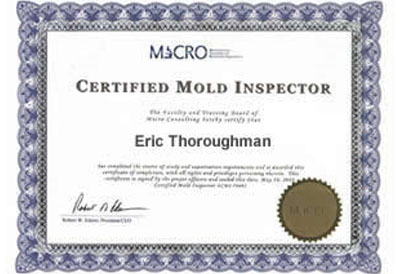
East Brunswick, NJ homeowners turn to Eric Thoroughman of Certified Mold Removal for professional mold inspections, moisture intrusion assessments, and certified remediation protocols tailored to basement moisture and water damage situations in Middlesex County.
Certified Mold Remediation Protocol vs. Standard Estimate
East Brunswick, NJ homeowners rely on Robert Ky, IICRC and MICRO certified founding President of Certified Mold Removal, for expert mold inspection findings review, testing results analysis, and development of certified remediation action plans backed by 31 years of professional Middlesex County mold expertise.
Black Mold Removal & Cleanup Specialists in East Brunswick, NJ
-
- Comprehensive Testing: We never skip the diagnostic phase. Initial mold testing and inspection are essential to identify the scope of the problem and ensure the remediation plan is effective.
- Advanced Containment: We utilize professional-grade containment barriers to prevent spores from migrating to clean areas of your house.
- Personal Protective Equipment (PPE): Our technicians use specialized gear and HEPA-filtered equipment to manage toxins safely.
-
- Cluster Patterns: Look for circular patches or small “polka dots” that appear on drywall and other building surfaces.
- Discoloration: Check for yellow staining, dark rings on drywall, or brown staining on ceilings.
- Surface Changes: Inspect for bubbling paint, peeling wallpaper, warped wood, or soft spots in the the interior walls of your home or office.
- Black Dust: If black dust comes out from your vents when your HVAC system comes on, mold may be forming inside the air duct system.
-
- Musty Odors: Black mold produces a distinct, earthy scent similar to rotting wood, damp paper, or wet socks.
- Odor Intensity: The smell may become stronger when the humidity is high or in rooms with poor air circulation.
-
- Respiratory Issues: Persistent coughing, sneezing, wheezing, or a “tightness” in the chest.
- Allergy-Like Reactions: Red, itchy, or watery eyes; runny nose; and skin rashes or irritation.
- Neurological Concerns: Frequent “brain fog,” chronic fatigue, headaches, or difficulty concentrating.
- Sinus Troubles: Recurring sinus infections or unexplained nosebleeds.
- Condensation: If you see sweating on your windows, metal pipes, or wall surfaces.
- Past Flooding: Any areas of your home that have previously experienced a leak or flooding is a high-risk area, even if it’s currently dry.
- High Humidity: Use a hygrometer to check your indoor humidity levels. If moisture levels are above 50%–60%you have the ideal conditions for mold growth.
Professional mold removal and certified remediation project supervision in East Brunswick, NJ. Thomas Candella of Certified Mold Removal delivers expert mold mitigation services developed through 18 years of hands-on water and mold remediation field experience in Middlesex County.
Does Your Attic, Basement, Bathroom, Kitchen Garage or Crawl Space Have a Mold Problem?
-
- Attics: Often caused by roof leaks or improper venting of bathroom exhaust fans, attic mold typically colonizes the plywood sheathing and floor insulation.
- Basements & Crawl Spaces: These are the most common “problem areas” due to groundwater seepage, high humidity, and foundation cracks. In these areas, mold often smells “earthy” and can quickly spread to floor joists and stored items.
- Kitchens & Bathrooms: Constant water use makes these areas vulnerable. Mold frequently hides under sinks, behind toilets, or beneath tiles where slow leaks go unnoticed for months.
- Garages: Often overlooked, garages can develop mold due to poor drainage, damp vehicles, or lack of climate control, affecting drywall and storage boxes.
Frequently Asked Questions
I found mold growing in my East Brunswick home, how do I test the mold?
When mold’s visible or smells musty, EPA and CDC say testing isn’t necessary. You already know there’s a mold problem. Sensitivity to mold varies from person to person. You’re better off calling our team to arrange immediate, safe mold removal.
What are the most common sources of excess moisture?
Indoor sources include leaking pipes, poor ventilation in bathrooms and kitchens, plus condensation on cold surfaces. Outdoor culprits are leaky roofs, windows, flooding, poor grading that drains toward your home, and misdirected sprinklers or downspouts. We identify and eliminate all moisture sources.
When should you test for mold?
Consider testing when you’ve identified visible growth, suspect hidden contamination from musty smells or allergy symptoms, or after water damage occurs. Our team of experts assesses your situation and recommends appropriate testing to protect your property and your family’s health from mold.
What methods are not effective for fixing dampness or mold problems?
Painting over mold fails even after applying biocides. Removing damaged materials without fixing underlying moisture issues is also ineffective. Air filters and cleaners won’t solve mold problems either. Our team addresses root causes, ensuring mold won’t return to your home or office.
Can you use a fan in a room with mold?
Use dehumidifiers, fans, open windows, or air conditioners to reduce moisture during prevention. However, never use fans if mold already exists—they’ll spread spores everywhere, worsening contamination significantly. Our professionals use proper containment methods to prevent spore distribution during remediation.
What are some ways I can recognize mold?
Look for musty odors and discoloration, which often appear as white, black, brown, green, tan, or purple stains on surfaces. Mold thrives in basements, attics, behind walls, under carpets, and crawlspaces. Notice something unusual? With our comprehensive approach, we find hidden growth others often miss.
What are the health effects of mold?
Visible mold and moisture increase respiratory health risks significantly: asthma development and worsening, allergies, infections, and various respiratory symptoms. More extensive contamination creates greater health risks, especially for susceptible individuals. Concerned about symptoms? Consult your doctor, then call our remediation specialists.