Expert Mold Removal & Remediation in Montvale, NJ
Call (201) 773-1466 For Same Day Mold Testing in pany in Montvale, NJ.
- Soil and Groundwater Pressure: The ground in Montvale features a complex soil structure made of dense glacial till and loamy soils that do not drain water evenly. Property owners located near local waterways, like the Pascack Brook or the nearby Woodcliff Lake Reservoir, deal with unique water pressure challenges every day. High water tables in low-lying zones frequently push groundwater straight through porous concrete foundations.
- Regional Weather Patterns: Northeast New Jersey experiences a highly humid climate with hot, muggy summers and severe seasonal storms. Historical rain events routinely soak our local soils. When heavy storms overwhelm local drainage systems, commercial buildings and residential homes without active moisture control quickly become prime breeding grounds for indoor mold.
- Housing Age and Style: The variety of homes across our town influences how indoor mold grows. Montvale features a beautiful mix of architectural eras, ranging from mid-20th-century Cape Cods and classic ranches to modern custom builds. Older homes often have aging siding, uninsulated masonry walls, and older subfloor layouts that allow moisture to move completely unhindered through interior wall cavities. On the other hand, newer local homes are built to be very energy-efficient and airtight. While great for lowering heating bills, a lack of fresh air ventilation frequently traps stale, humid indoor air, causing mold to grow behind finished walls.
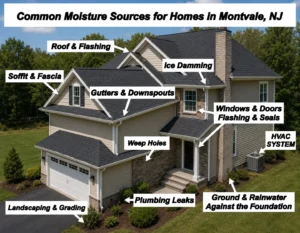
From cracked siding to poor grading, outdoor moisture finds a way inside. Schedule a mold inspection for your Montvale, NJ home today.
Certified Mold Removal Inc. Service Links:
Montvale Mold Inspection & Testing Services
- Air and Surface Samples: We collect physical surface samples (using tape lifts or swabs) and conduct ambient air sampling to measure spore levels in your environment. Performing this specialized mold testing is critical because you cannot see airborne spores with the naked eye.
- Independent Lab Analysis: Once our inspector collects the physical samples, they go straight to an independent, accredited laboratory. The lab technicians identify the exact types present and count the spore levels to deliver an unbiased report.
- HVAC System Checking: We perform mold testing on each floor of your home to see if mold spores have spread to other clean rooms in your house. This phase of our mold inspection ensures that hidden structural issues are not ignored.
- Custom Action Plans: The lab data provides the exact blueprint our team needs to build a targeted plan. This practical approach ensures that your subsequent mold remediation project fixes the actual root cause of the moisture problem.
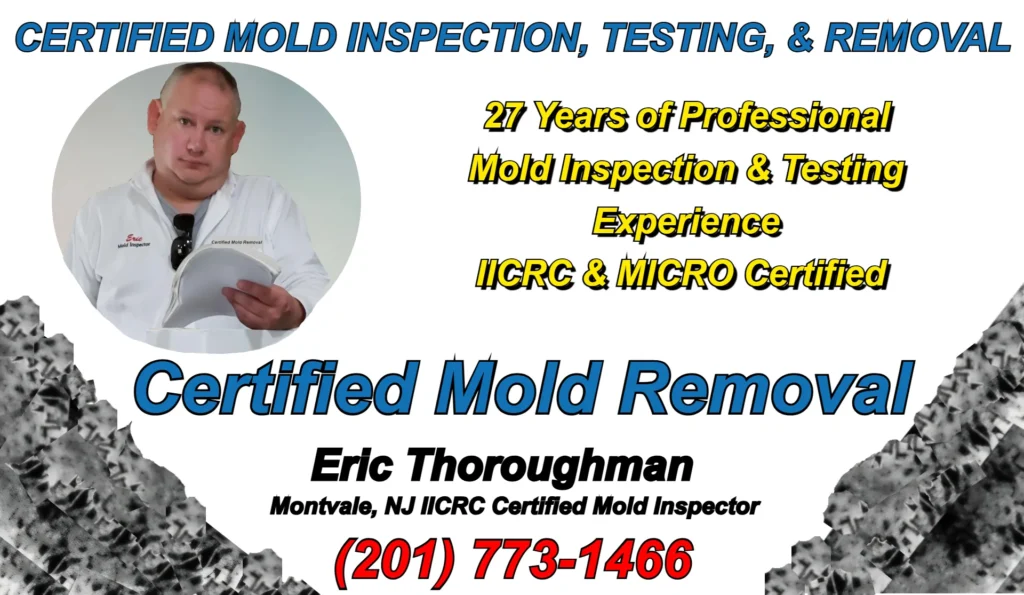
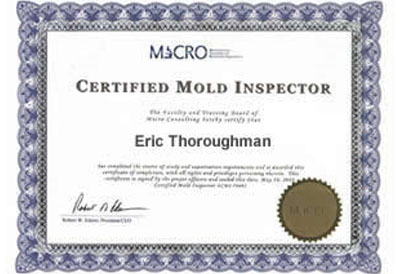
Montvale, NJ homeowners trust Eric Thoroughman for expert mold inspection and testing services. His experience makes him invaluable to the company!
Mold Remediation Across Different Areas of Your Home
-
- Basement and Crawl Space Environments: Because it sits underground, a finished or unfinished basement is incredibly vulnerable to foundation leaks, groundwater pressure, and sump pump failures. These building deficiencies are all contributing factors and must be corrected prior to mold removal. Similarly, an unventilated crawl space traps massive amounts of damp earth humidity. We use commercial dehumidifiers and heavy-duty vapor barriers as a primary method of moisture mitigation, stopping dampness before it rots your floor joists.
- Bathroom and Kitchen Zones: High-moisture areas like a master bathroom or a commercial kitchen generate a lot of steam. If exhaust fans fail or hidden plumbing leaks develop behind your cabinets, the structural subfloor can quickly rot. A good mold inspector will track moisture levels behind tile lines and under sinks to catch hidden leaks early before they require aggressive mold remediation protocols.
- Attic and Roof Voids: A residential attic often suffers from poor ventilation or hidden roof leaks. When hot, humid air escapes from the living spaces below into a closed attic, it hits the cold roof boards and turns into condensation. Your mold inspector will check these areas by analyzing your soffit, ridge, and gable vents to keep air moving properly.
- Garage and Support Structures: An attached or detached garage often experiences wild temperature changes. Storing damp items or parking wet cars in a closed garage creates humidity spikes that cause the need for mold remediation on unfinished drywall and storage shelves.
- Closet and Storage Spaces: A packed bedroom or hallway closet usually lacks good airflow. When an outside wall of a closet is uninsulated, the temperature difference creates a damp dew point inside the closet, leading to hidden mold on walls and clothes.
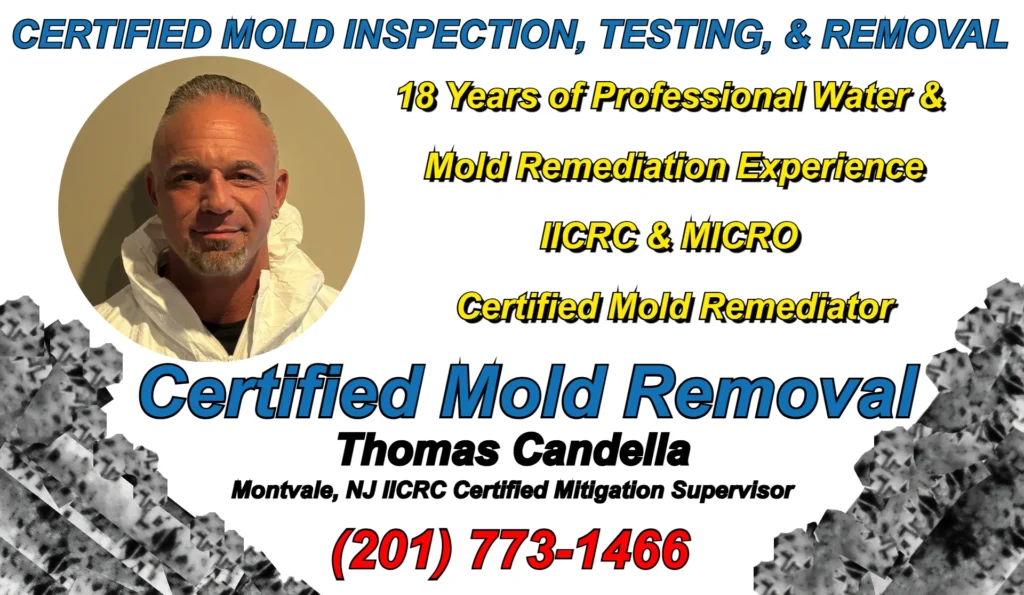
Montvale, NJ homeowners trust Thomas Candella of Certified Mold Removal for expert mold removal project supervision.
Proprotocols for Toxic Black Mold Removal
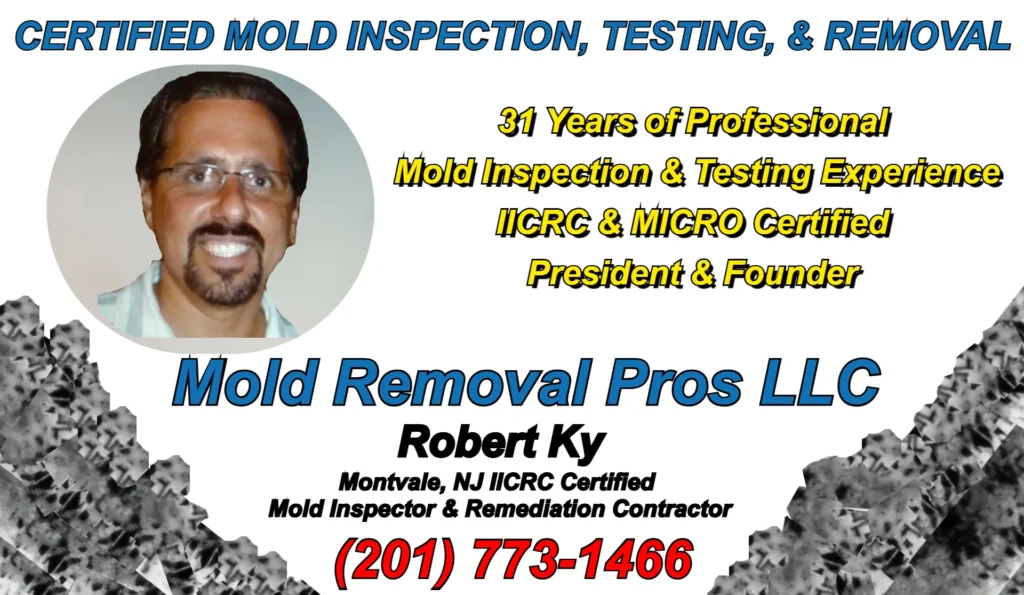
Montville, NJ homeowners turn to Robert Ky, President and Founder of Certified Mold Removal, for expert testing analysis.
Why Partner with Certified Mold Removal?
- Phone: (201) 773-1466
- Office Hours: 24 Hours / 7 Days a Week
- Service Areas: All of Bergen County, New Jersey, and all surrounding towns.
FREQUENTLY ASKED QUESTIONS:
What factors lead to mold growth in Montvale homes? Montvale’s geography, characterized by high water tables and suburban drainage patterns, often leads to moisture intrusion in lower levels. In a Montvale property, water typically seeps through foundation masonry or condenses on cool surfaces, providing the necessary environment for mold to flourish on drywall, wood framing, and organic storage items.
Can mold develop in the attic of my Montvale home? Yes. Attic mold is a common issue in the area, often resulting from bathroom exhaust fans that are not properly vented to the roof exterior. During the winter, this trapped humidity condenses on the cold roof sheathing, allowing mold to colonize the rafters and insulation.
What is the IICRC S520 standard for professional removal? The IICRC S520 is the industry-recognized benchmark for professional mold removal. Adhering to this protocol ensures that mold is physically extracted under strict containment, using specialized air filtration and cleaning techniques to prevent cross-contamination into clean areas of the home.
What is “Structural Drying” in professional remediation? Structural drying involves using high-capacity industrial dehumidifiers to extract moisture from building materials like studs, subfloors, and sill plates. This is a critical step because mold will regrow if the structural components are not returned to a “dry standard” before new finishes are installed.
How much does mold remediation cost for a typical residence? Standard residential services typically start at $2,500. For properties requiring extensive basement remediation or structural drying of complex residential layouts, costs generally range from $4,000 to $18,500 depending on the scope of the damage.