If a room smells musty even after cleaning, or people start coughing, sneezing, or feeling worse in one part of the building, the question becomes urgent: how to tell if mold is airborne. Airborne mold is not always visible, and that is exactly why property owners miss it until the problem spreads.
Mold spores are microscopic. They move through indoor air when moisture feeds growth behind walls, under flooring, inside HVAC systems, above ceiling tiles, or around recent water damage. You cannot confirm airborne mold by smell alone, and you should not assume every dark stain is dangerous mold. What matters is identifying whether spores are being released into the breathing zone, where they can affect indoor air quality and point to a hidden moisture source that needs correction.
How to tell if mold is airborne in a building
The first sign is often a pattern, not a single clue. A persistent musty odor is common, especially if it gets stronger when the HVAC turns on, after rain, or in rooms with poor ventilation. If the smell returns quickly after cleaning, there may be active growth in a concealed area that is releasing spores into the air.
Occupant symptoms can also suggest an airborne issue. Irritated eyes, congestion, coughing, throat irritation, headaches, or worsened asthma in a specific room or section of the property can indicate an indoor air quality problem. That does not prove mold by itself, because dust, pollen, pet dander, and other contaminants can create similar complaints. Still, when symptoms line up with moisture history or odor, mold moves higher on the list.
Water history matters more than many people realize. If the property has had leaks, flooding, roof intrusion, plumbing failures, condensation, or elevated humidity, mold has had an opportunity to grow. Even a repaired leak can leave damp materials behind walls or under cabinets. Once colonies establish, normal activity like walking, opening doors, running fans, or using forced air can disturb spores and spread them.
Visible mold is another warning, but it has limits. If you see growth on drywall, baseboards, window frames, ceiling areas, or around vents, there is a reasonable chance spores are already entering the air nearby. At the same time, visible growth does not tell you the full extent of contamination. A small patch can be the surface sign of a larger hidden issue.
What airborne mold actually looks like
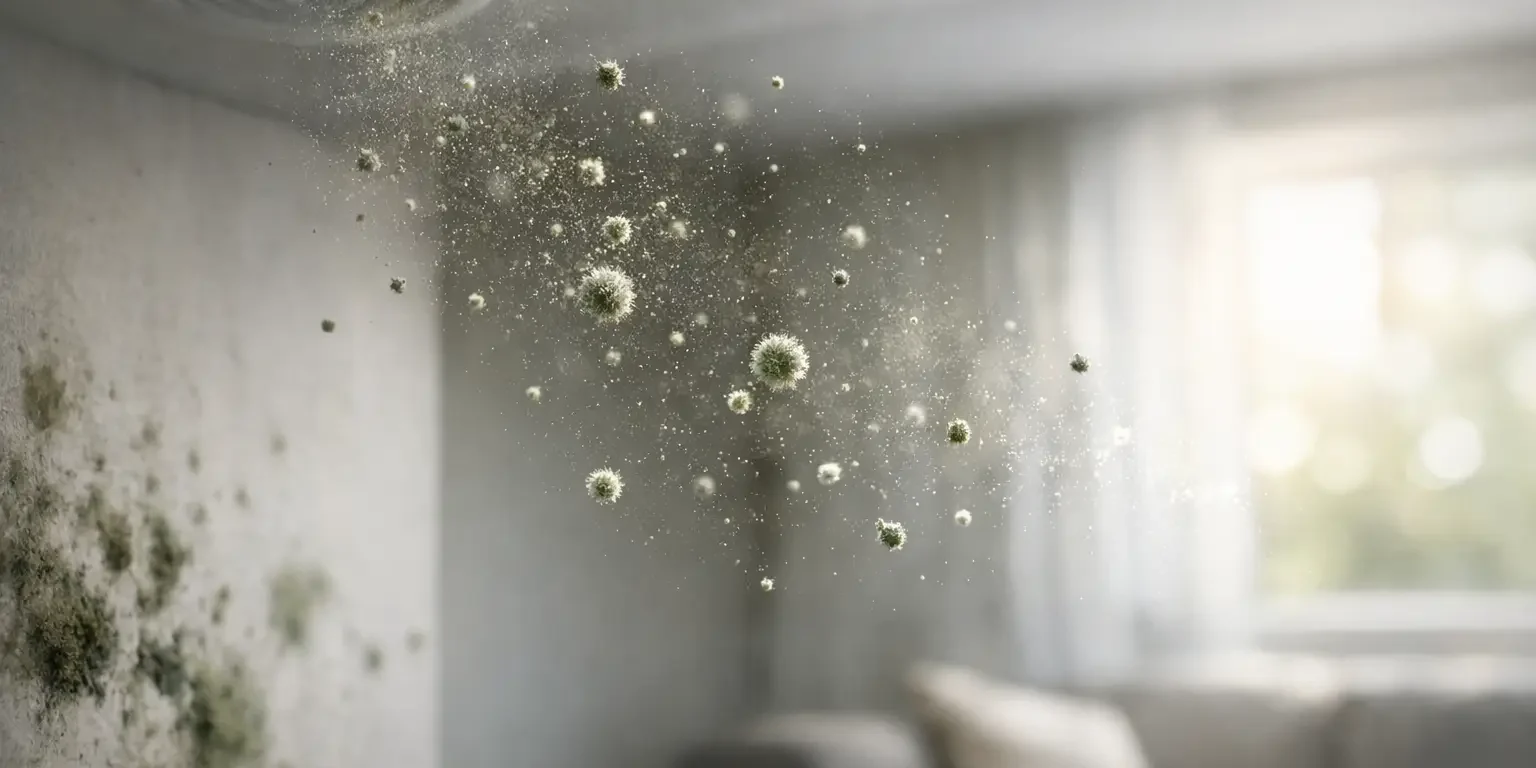
Most people expect airborne mold to be visible floating through the room. That is rarely the case. Mold spores are typically too small to see individually. In heavy contamination, you may notice dust-like particles collecting around vents or on surfaces soon after cleaning, but that is not a reliable visual test.
What you can often see are indirect signs. Staining around an air register, discoloration near condensation points, warped drywall, peeling paint, bubbling surfaces, and repeated spotting on contents or furnishings can all point to excess moisture and active spore movement. If mold keeps reappearing after wipe-downs, the problem is probably not limited to the surface.
This is where many DIY assessments go wrong. Homeowners may clean the visible area, use spray products, and assume the issue is resolved because the stain looks lighter. If the moisture source remains and spores are still circulating, the indoor air problem continues.
How to tell if mold is airborne versus just surface mold
Surface mold is limited to the material where it is growing. Airborne mold means spores have been disturbed or are actively dispersing into occupied space. The difference matters because airborne contamination raises the likelihood that multiple rooms, contents, or HVAC pathways are affected.
A few indicators make airborne spread more likely. One is cross-room symptoms or odor. Another is contamination near supply or return vents. A third is growth associated with demolition, fans, or ongoing disturbance, which can aerosolize spores. If the property recently had water damage and drying was incomplete, spores may also be present before visible colonies are obvious.
There is also a practical distinction in how the problem should be handled. Surface cleaning may be appropriate for a very small, isolated issue on a non-porous material, but once airborne spread is suspected, containment and source-focused inspection become much more important. Improper removal can make conditions worse by sending more spores into the air.
When mold testing is the right next step
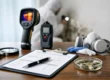
If you suspect airborne mold but cannot find the source, professional testing can help confirm what is happening. Air sampling compares spore levels and types in indoor areas against outdoor control conditions. Surface sampling can identify growth on materials where contamination is visible or suspected.
Testing is especially useful when there is a musty odor without visible mold, health complaints tied to a certain area, concern about post-flood contamination, a real estate transaction, or a dispute between tenants, owners, buyers, or insurers. It is also valuable when you need a documented basis for a remediation plan rather than guesswork.
That said, testing is not a substitute for inspection. A strong inspection looks at moisture sources, building materials, HVAC conditions, and hidden risk areas. The best results come from pairing technical inspection with appropriate sampling, not from relying on an over-the-counter kit that cannot interpret building conditions.
Why home test kits often miss the real issue
DIY mold kits can sound appealing because they are cheap and easy to order. The problem is that mold exists almost everywhere in the environment at some level. A basic kit may capture spores, but it usually cannot tell you whether the levels are abnormal for that building, where the source is, or what remediation boundaries are needed.
False confidence is a real risk. A kit may come back with mold present, which is not surprising, or with results that seem low even though hidden growth is active elsewhere. Without moisture mapping, containment knowledge, and proper sample interpretation, the data is incomplete.
For homeowners and property managers, the more useful question is not simply, “Is there any mold in the air?” It is, “Is there an indoor source affecting this property, and what is the safe, standards-based way to correct it?”
What to do if you think mold is airborne
Act quickly, but do not panic. Not all mold is toxic, and not every odor means severe contamination. At the same time, delaying inspection allows moisture damage and spore spread to continue.
Limit disturbance in the suspected area. Avoid dry brushing, sweeping, tearing out materials, or running fans directly on visible growth. If HVAC appears connected to the issue, that needs to be evaluated carefully rather than shut down or cleaned blindly. Improper handling can spread contamination into more areas of the building.
Document what you are seeing. Note where odors are strongest, when symptoms occur, whether there has been water intrusion, and what materials appear affected. That information helps speed up a proper inspection.
Then bring in a certified mold specialist. A qualified team should look beyond the stain or smell and identify the moisture source first. From there, they can determine whether testing is warranted, whether contamination is likely airborne, and what containment and remediation steps are actually needed. Certified Mold Removal Inc. follows that process because proper diagnosis protects both health and property.
Why certification and containment matter
Airborne mold concerns should never be treated like a routine handyman job. Once spores are disturbed, poor work practices can contaminate adjacent rooms, contents, and ventilation pathways. That is why certifications, written protocols, containment procedures, and source correction matter.
A qualified remediation plan is not just about removing what you can see. It is about controlling cross-contamination, protecting occupants, addressing damaged materials correctly, and restoring normal indoor conditions. In residential settings, that protects families, including children, older adults, and anyone with respiratory sensitivities. In commercial settings, it protects tenants, staff, operations, and liability exposure.
If you are trying to figure out how to tell if mold is airborne, trust the pattern: odor, moisture history, occupant symptoms, visible warning signs, and recurring contamination all point to a problem that deserves a professional look. The right next step is not fear. It is a fast, accurate inspection that finds the source and gives you a safe plan forward.