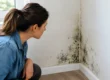
A musty smell after a basement leak is easy to dismiss – until tenants start complaining, a child’s asthma gets worse, or a buyer’s inspector flags staining around a window. Staten Island mold testing is not about panic. It is about getting clear answers fast, identifying the moisture source, and deciding whether cleanup is minor, targeted, or a larger remediation job.
That distinction matters because not every dark spot is a major hazard, and not every mold problem should be handled the same way. A proper testing process helps separate cosmetic staining from active contamination, visible growth from hidden spread, and isolated moisture issues from building-wide air quality concerns.
When Staten Island mold testing makes sense
Testing is most useful when there is uncertainty that affects a real decision. If mold is already obvious on a small section of non-porous material, sampling may not be the first priority. The first priority is usually finding out why it grew there and whether moisture is still present. But when the scope is unclear, when contamination may be hidden, or when documentation is needed for a property file, testing becomes far more valuable.
Homeowners often need answers after roof leaks, burst pipes, bathroom humidity problems, or recurring basement dampness. Property managers may need defensible documentation before scheduling repairs or remediation in occupied units. Business owners may need to understand whether an indoor air complaint is tied to mold, HVAC moisture, or another building condition.
Testing is also appropriate when people smell mold but cannot see it, when discoloration keeps returning after cleaning, or when a post-remediation clearance decision has to be made. In those cases, guessing is expensive. It can lead to partial cleanup, missed hidden growth, or unnecessary demolition.
What a professional mold test should actually tell you
A credible mold assessment does more than collect samples. It should connect building conditions, moisture behavior, and lab results into a usable diagnosis. A sample by itself is only part of the story.
A qualified inspector should start by looking for the source. That means checking water intrusion patterns, humidity levels, condensation points, ventilation issues, and damaged materials. If a bathroom ceiling shows growth, the real problem may be poor exhaust, a roof flashing leak, or an uninsulated cold spot. If a lower level smells musty, the issue may be seepage, a plumbing leak, or elevated humidity rather than one obvious colony on a wall.
Testing can then help answer practical questions. Is there evidence of elevated spore levels indoors compared with normal outdoor conditions? Is the contamination likely limited to one room or affecting adjacent spaces? Are materials such as drywall, insulation, or carpeting involved? Does the pattern support a targeted cleanup or a contained remediation plan?
That is why experienced firms do not use testing as a scare tactic. The goal is not to make every problem sound catastrophic. The goal is to produce accurate information that protects occupants and keeps the response proportionate to the actual conditions.
The types of mold testing used in Staten Island properties
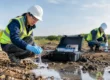
Different situations call for different sampling methods. Air testing is commonly used when hidden contamination is suspected or when occupants are reporting odor or air quality concerns. It helps compare the indoor environment with outdoor baseline conditions, although it should never be read in isolation.
Surface sampling is useful when visible growth needs identification or when a material has suspicious staining. Swab or tape samples can confirm whether the growth is mold and help document what is present. Bulk sampling may be used when part of a material itself needs lab analysis.
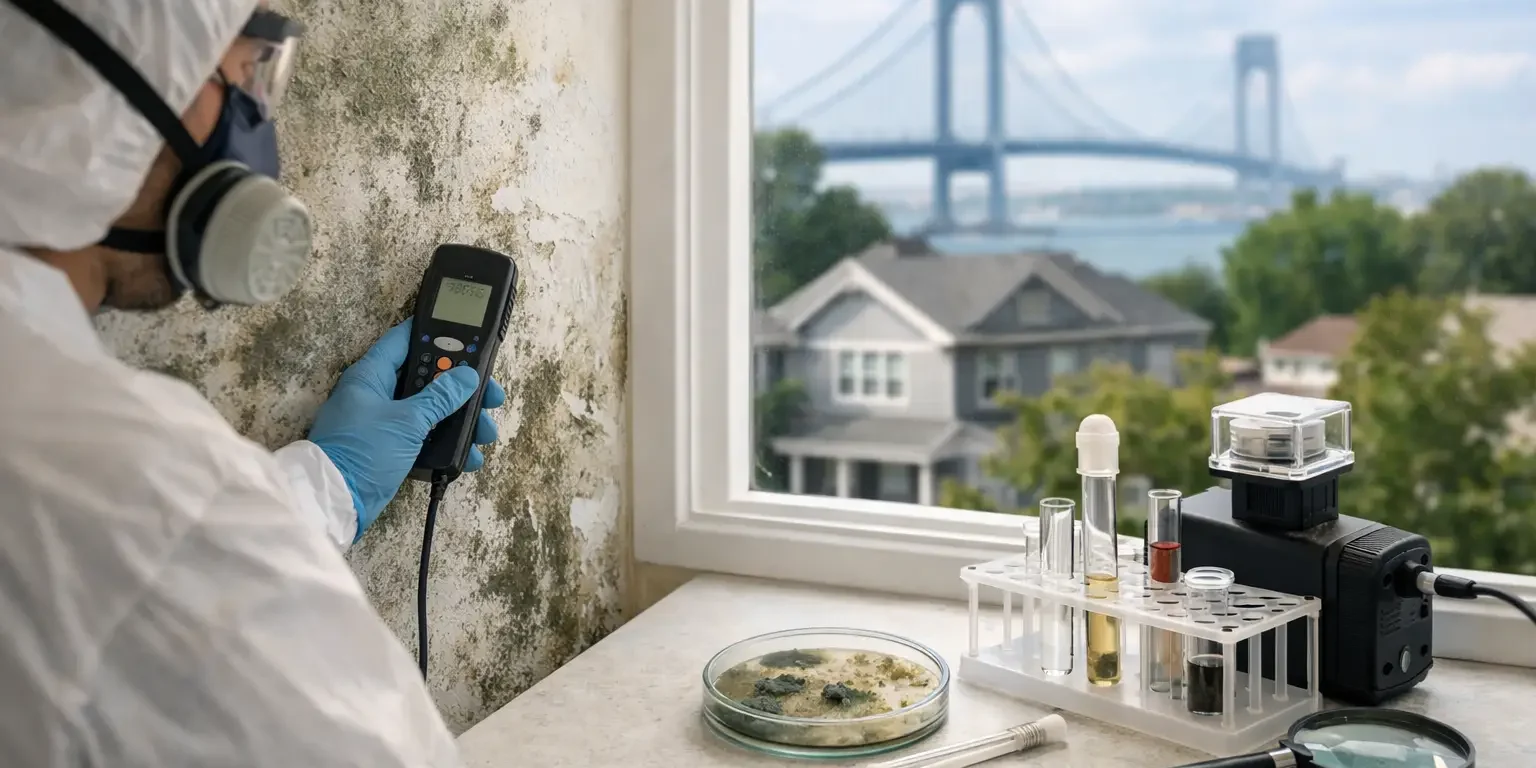
Moisture mapping is just as important as laboratory work, even though people do not always think of it as testing. Thermal imaging, moisture meters, and humidity readings can reveal where water is entering or accumulating. In many cases, this is what turns a vague concern into a real remediation plan.
The best approach depends on the building, the complaint, and the goal. A pre-purchase concern is different from a tenant complaint. A flooded finished basement is different from staining around an HVAC closet. Good testing is never one-size-fits-all.
What happens during a Staten Island mold testing visit
A professional visit should feel methodical, not theatrical. An inspector should ask what happened, when it started, what areas are affected, whether there was prior water damage, and whether anyone has attempted cleanup already. Occupancy conditions matter too, especially in homes with children, elderly residents, or people with respiratory sensitivity.
From there, the inspection should focus on evidence. That includes visible growth, damp materials, odor patterns, condensation, deterioration, and moisture readings. If sampling is needed, the locations should be chosen based on the actual conditions in the building, not a random package price.
After samples go to the lab, the findings should be translated into plain English. Property owners should understand what was found, where the likely source is, whether contamination appears active, and what the next step should be. If remediation is necessary, the report should support a proper scope of work rather than a vague recommendation to tear everything out.
Why source correction matters more than the sample result
This is where many mold jobs go wrong. Someone cleans or removes the visible growth, but the leak, humidity issue, or ventilation failure remains. Weeks later, the mold returns, and the owner pays twice.
Proper mold work starts with diagnosis. If a crawl space stays wet, if a bathroom fan is venting poorly, or if a window assembly is leaking into drywall, those conditions have to be corrected before cleanup can succeed. Testing helps identify the problem, but the long-term fix depends on controlling moisture.
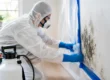
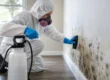
That is also why unqualified contractors can create bigger problems. Disturbing contaminated materials without containment can spread spores through occupied areas. Overusing bleach or paint-over methods can hide evidence without solving the cause. And recommending full demolition without documented need can drive up costs unnecessarily.
A standards-based process protects both health and property. It keeps the response focused, helps prevent cross-contamination, and reduces the risk of recurring damage.
How to tell if you need testing, remediation, or both
It depends on what is already known. If there is obvious, extensive mold after significant water damage, immediate containment and remediation planning may matter more than broad exploratory testing. If the contamination is hidden or disputed, testing becomes more important because it defines the scope.
If you are preparing to sell or lease a property, documentation may be a major reason to test. If you are dealing with persistent odors and no visible source, air and moisture evaluation can be the key first step. If cleanup has already happened, post-remediation verification may be appropriate to confirm that conditions are back to normal.
The right provider should be able to explain that difference clearly. Fear-based companies tend to sell the biggest possible job first. A true specialist starts with the building science, then matches the service to the condition.
Choosing a qualified mold testing company
Credentials matter because mold work affects indoor air, occupant safety, and the integrity of the property. You want a company that understands inspection, sampling, written protocols, containment practices, and remediation standards – not just someone with a moisture meter and a sales pitch.
Ask how they determine where to sample, whether they investigate the moisture source, and how results are used to guide remediation. Ask whether the company can distinguish between conditions that need monitoring, conditions that need minor corrective cleaning, and conditions that require formal abatement procedures.
For Staten Island property owners, fast response also matters. Mold often follows water intrusion, and delays give moisture more time to spread through porous materials. A same-day or rapid inspection can make the difference between a contained repair and a much larger restoration project.
Certified Mold Removal Inc. approaches mold issues the way they should be handled – diagnose first, identify the source, test when needed, and build the response around safety and documented conditions.
What to do while you wait for testing
If mold is suspected, avoid disturbing the area. Do not sand, scrub aggressively, or run fans across visible growth. That can spread contamination into cleaner parts of the building. If the area is damp, reduce further moisture if you can do so safely by stopping active leaks or lowering indoor humidity.
It is also smart to document what you are seeing. Note when the odor is strongest, where staining appears, and whether the issue changed after rain, plumbing use, or HVAC operation. That information can help an inspector pinpoint the source faster.
The right response to mold is not overreaction and it is not denial. It is a prompt, evidence-based evaluation. When Staten Island mold testing is done correctly, it gives you something more useful than reassurance alone – it gives you a clear plan to protect the people in the building and the building itself.