Mold Removal and Testing Services in Monmouth County, NJ
Call (732) 934-6499 For Same Day Mold Testing in pany in Monmouth County, NJ.
-
- Basements & Crawl Spaces: Our mold removal process focuses on removing contaminated drywall or flooring and utilizing HEPA air scrubbing to ensure spores don’t migrate throughout your home.
- Attics & Garage Areas: In coastal and marshy regions like Little Silver and Spring Lake, moisture trapped in structural wood or insulation is a common issue. We safely remove compromised insulation and deep-clean wood surfaces to prevent regrowth.
- Kitchens & Bathrooms: Because mold often hides behind fixtures, effective mold remediation in these high-moisture zones usually require the careful removal of cabinetry or appliances to address the hidden source.
At Certified Mold Removal we provide full-service mold remediation in Monmouth County. This includes a thorough mold testing and inspection, before completing your remediation services. Our licensed and insured team follows EPA, OSHA, and IICRC standards to deliver trustworthy and effective mold remediation solutions. We also offer 24/7 emergency services and expedited mold testing results to quickly address any situation.
Our comprehensive approach spans from the initial mold inspection to final mold remediation and air purification. This process ensures your home or office space is returned to a safe and healthy environment.
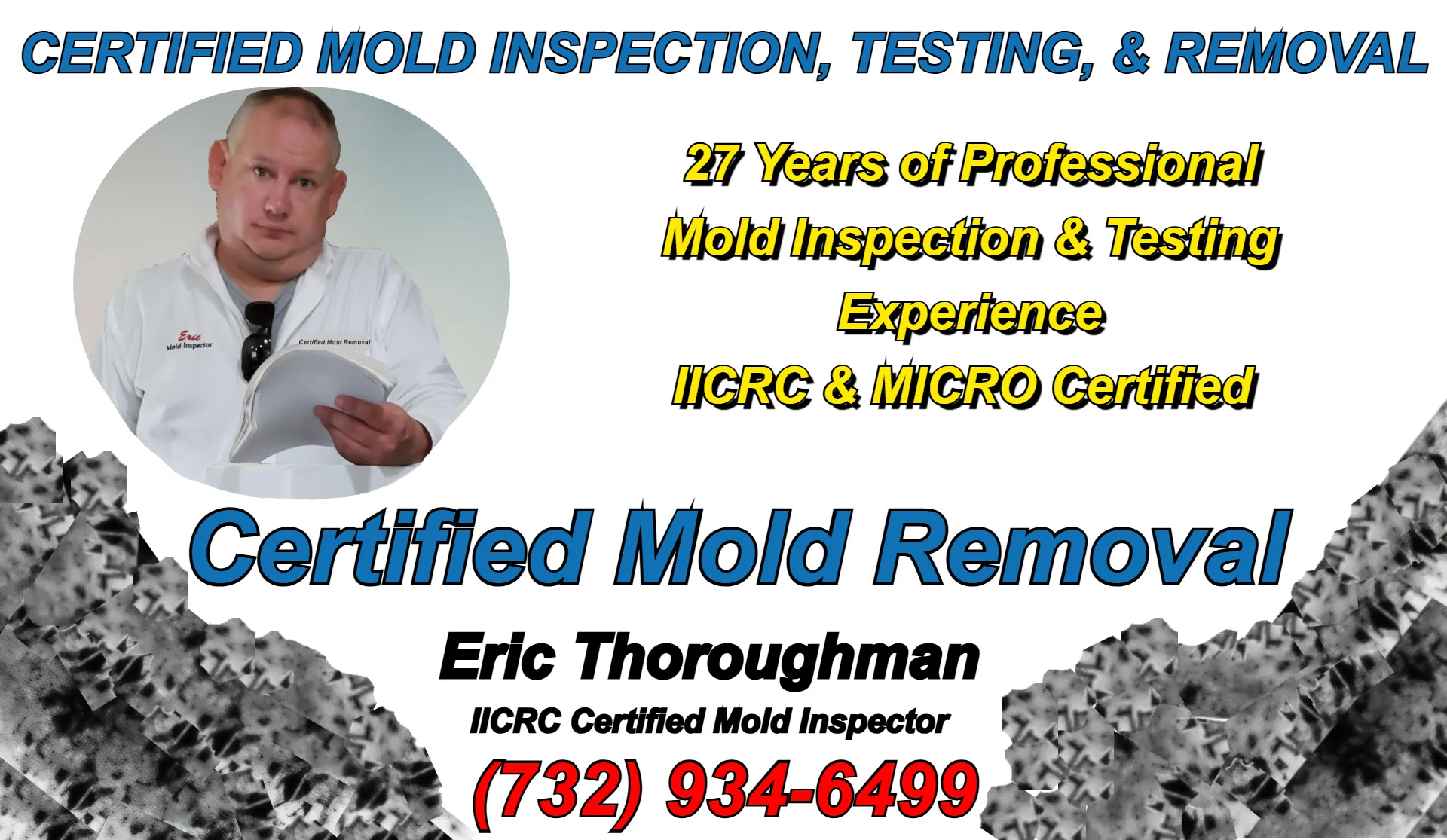
Certified Mold Removal’s Eric Thoroughman conducts expert mold inspections and air quality testing for Monmouth County, NJ homeowners, providing written remediation protocols and certified clearance documentat
Certified Mold Removal Inc. Service Links:
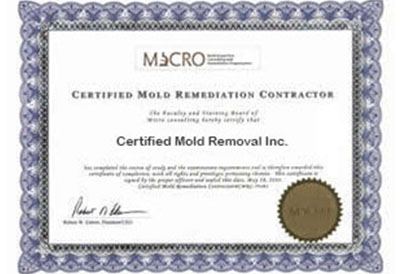
The Importance of Expert Black Mold Removal in Monmouth County
-
- Comprehensive Mold Testing: We utilize independent certified laboratories to evaluate all air and surface samples, ensuring your mold remediation plan is based on accurate scientific data.
- Advanced Containment: Following ANSI/IICRC S520 industry standards, we use physical barriers and negative air pressure to keep your family safe during the process.
- Personal Protective Equipment (PPE): Our technicians use specialized gear and HEPA-filtered equipment to manage toxins safely.
-
- Root Cause Analysis: During your initial assessment, our experts identify the specific environmental triggers, such as coastal airflow or high indoor humidity, that allow mold to thrive.
- Airborne Contamination Testing: We conduct precise air sampling to determine the extent of the problem, which is critical for restoring your indoor air quality.
-
- Attics: Often caused by roof leaks or improper venting of bathroom exhaust fans.
- Basements & Crawl Spaces: Common in towns like Howell or Wall Township due to high humidity and poor drainage.
- Kitchens & Bathrooms: Vulnerable to slow leaks behind toilets or under sinks.
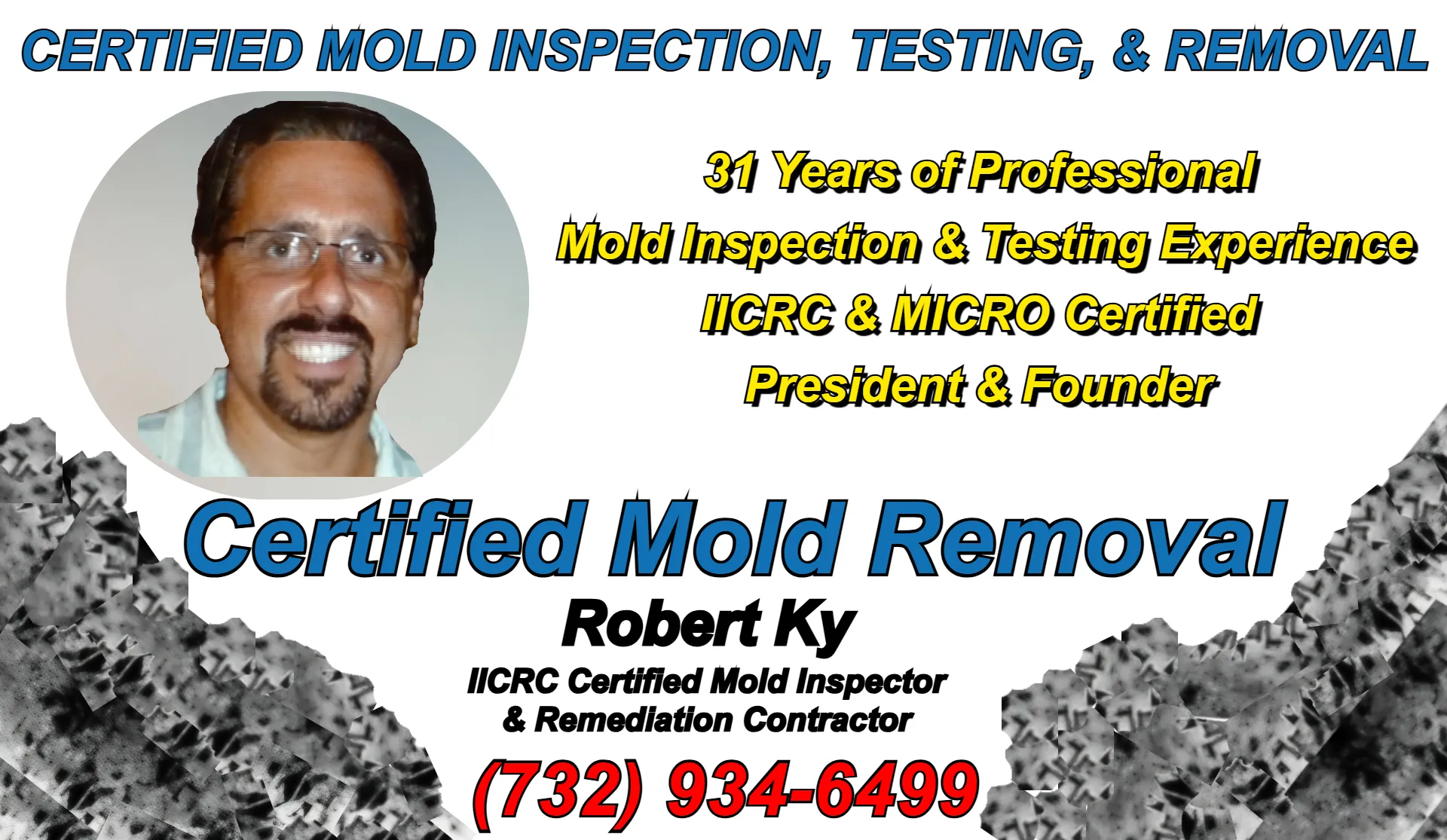
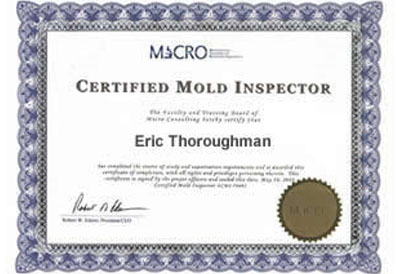
Monmouth County, NJ homeowners trust Robert Ky, IICRC and MICRO certified President and Founder of Certified Mold Removal, for expert mold testing results analysis, certified remediation action plan development, and comprehensive project oversight backed by 31 years of professional Monmouth County mold expertise.
Monmouth County Service Areas: Local Insights & Mold Risk Factors
- Freehold Township
This area features many established neighborhoods with older colonial-style homes. The heavy clay content in the local soil can lead to poor drainage and hydrostatic pressure, often causing basement seepage and foundation mold during heavy New Jersey rain cycles. - Manalapan Township
Manalapan is home to many large, modern estates with expansive basements and complex HVAC systems. If these systems aren’t properly balanced, the high humidity levels typical of Central Jersey summers can cause condensation-based mold growth in ductwork and finished basement walls. This is when mold testing becomes a critical part of the evaluation. - Marlboro & Morganville
These sister communities sit on varied terrain with several local brooks and runoff streams. Homes built near these low-lying water paths are more susceptible to elevated water tables, which can lead to chronic dampness in crawl spaces and lower-level living areas. - Middletown
As one of the largest and oldest townships, Middletown features a mix of historic homes and properties near the Navesink River. The combination of aging infrastructure and proximity to the water creates a high-risk environment for mold, particularly in attics and bathrooms with improper or outdated ventilation. - Holmdel
The rolling hills of Holmdel create unique drainage patterns where runoff can collect against foundation walls. These hilly areas chanel water towards the foundation, which causes water intrusion. Additionally, many homes here feature high-pitched roofs and complex attics; if attic fans fail, the trapped heat and moisture quickly lead to mold growth on the underside of the roof sheathing. - Howell Township
Howell is known for its high water table and sandy soil, which can shift and create cracks in masonry. This allows moisture to migrate into crawl space and basement areas, where it often goes unnoticed until it affects the wooden floor joists and insulation above. - Wall Township
Proximity to the Atlantic Ocean and the Shark River means Wall properties face constant salt air and high humidity. This coastal climate accelerates the deterioration of exterior seals, often leading to “hidden” mold growth inside wall cavities near windows and doors. - Lincroft
This community features many mid-century ranch and split-level homes. These architectural styles often have unique crawl space configurations that are prone to poor airflow, making them prime targets for mildew and wood-decaying fungi. - Aberdeen Township
Bordering the Raritan Bay, Aberdeen homes are frequently exposed to coastal weather patterns and storm surges. The older housing stock in this area often requires updated vapor barriers to prevent the damp, salty air from fueling mold growth in basements.
The Importance of Choosing A Local Mold Removal Company
Why Local Expertise Matters: Navigating Monmouth County’s Unique Mold Challenges
When you choose a local mold inspection specialist you’re hiring a team that understands the specific environmental factors of the Jersey Shore and the Raritan Bayshore. From the high water tables in Middletown and Hazlet to the coastal humidity affecting homes in Spring Lake and Manasquan, local conditions dictate the mold remediation strategy.
At Certified Mold Removal, we’ve spent over 30 years mastering the nuances of Monmouth County’s housing stock. We understand that a moisture problem in a 1920s Brielle Victorian requires a different approach than an expansive, modern basement in Marlboro or the complex crawl space ventilation needs common in Wall Township.
Our deep roots in the community mean:
-
Code Compliance: We are fully versed in the New Jersey Uniform Construction Code (NJ UCC). We handle the specific permit requirements for Monmouth County municipalities, ensuring your mold remediation services pass local inspections without delay.
-
Geological Insight: We recognize how the local soil composition and coastal air impact indoor air quality and structural integrity.
-
Rapid, Reliable Response: Being local allows us to maintain a chain of accountability that “out of town companies” simply cannot match. When your home’s health is at stake, you need a local mold abatement specialist who knows the rules.
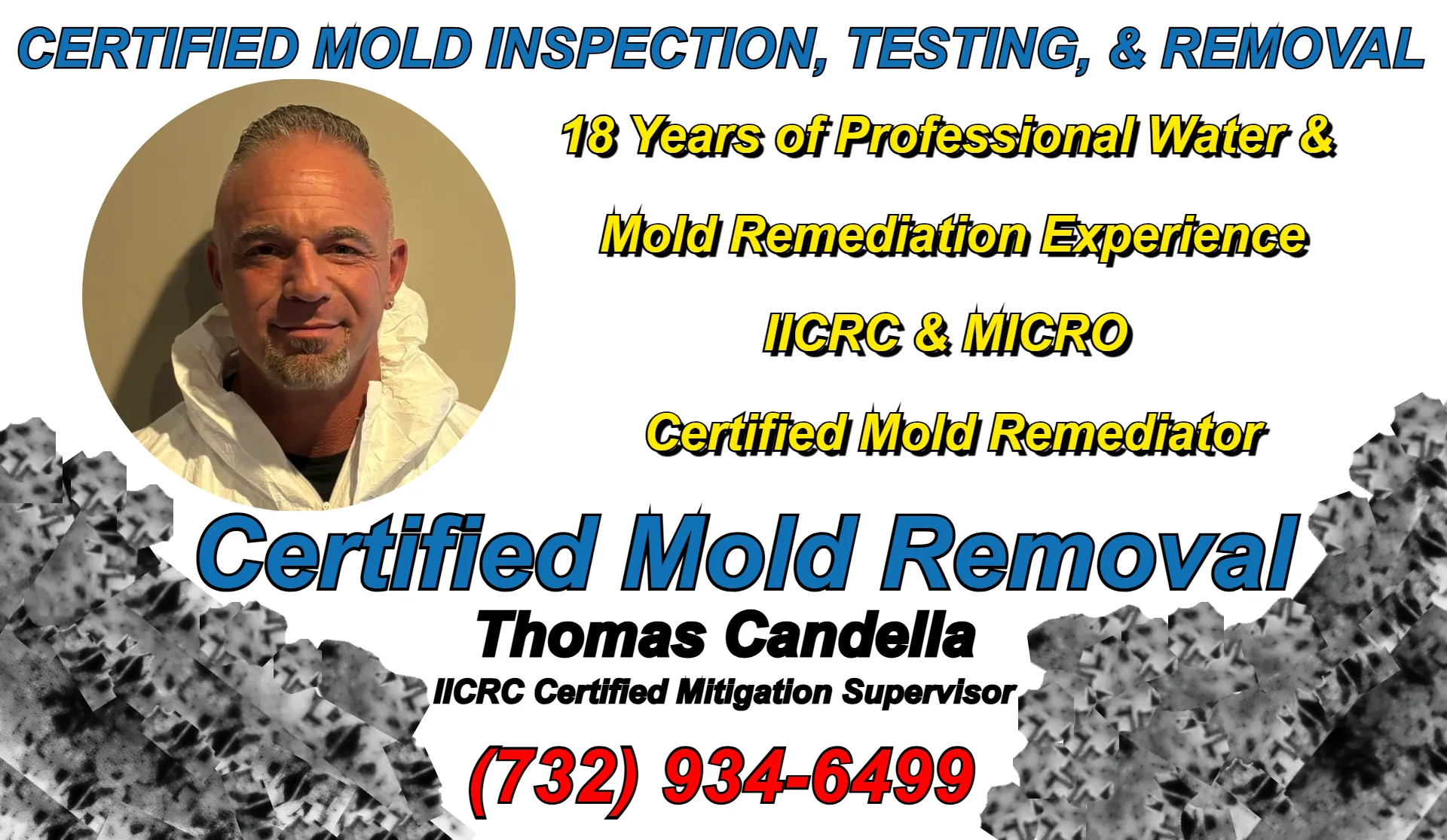
Monmouth County, NJ homeowners trust Thomas Candella of Certified Mold Removal for professional mold removal, remediation project supervision, and certified mitigation services backed by 18 years of hands-on water and mold remediation field expertise.
Why Choose Certified Mold Removal for Remediation in Monmouth County, NJ
-
- Freehold Township & Manalapan
- Marlboro & Morganville
- Middletown & Holmdel
- Howell & Wall Township
- Colts Neck & Aberdeen
Office Hours: 24 Hours / 7 Days a Week
Frequently Asked Questions (FAQs)
Can you test for mold behind a wall?
Yes, mold behind walls can be tested by cutting a small inspection hole for direct sampling or by using air sampling equipment to detect hidden mold. Since mold often develops inside wall cavities where it is not visible, mold testing helps identify and address hidden problems before they spread further.
Do you recommend having a mold inspection when buying a home in Monmouth County?
Yes, standard home inspections usually don’t focus on mold. A mold inspection is a cost-effective measure against potentially expensive remediation later. Catching problems early saves a lot of stress and money and ensures you’re not walking into a home with hidden mold that could affect your health and property.
Do you have to get rid of everything if you have black mold?
Not all materials need to be discarded. Porous items like carpets or ceiling tiles may require replacement, while non-porous surfaces can often be cleaned and restored. The goal of professional mold remediation is to safely remove unsalvageable materials while preserving as much of the property as possible.
How do I protect my health during mold remediation?
Occupants should stay out of the affected area during remediation. Professionals will seal off the work space, shut down ventilation systems as needed, and use negative air pressure and containment barriers to prevent spores from spreading. These safety measures protect family members and pets during cleanup.
After mold remediation of my Monmouth County home, will the problem return?
Only if moisture comes back. Mold needs water to grow, so fix leaks promptly, use dehumidifiers in damp areas, and run exhaust fans in kitchens and bathrooms. Addressing any water damage promptly and maintaining low humidity will prevent mold from returning, keeping your home safe, clean, and free from hidden infestations.