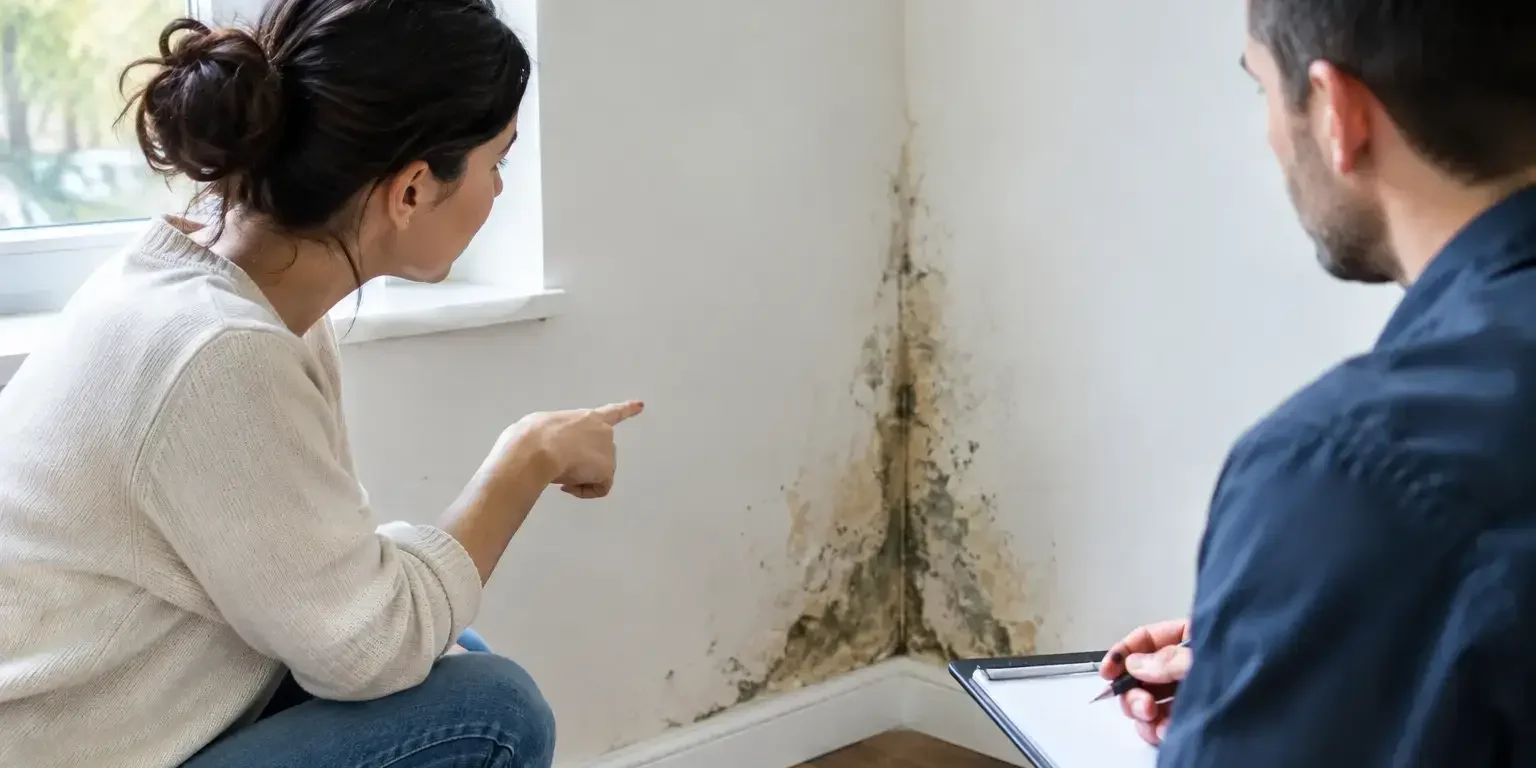
A dark spot beneath the bathroom sink, a musty odor after a storm, or paint that begins to bubble near a window can become a much larger rental problem if it is ignored. The question of when should tenants report mold has a simple practical answer: report it as soon as you see, smell, or reasonably suspect a moisture or mold condition.
Early reporting protects everyone. It gives the landlord an opportunity to correct the water source before damage spreads through drywall, flooring, insulation, or ventilation areas. It also creates a written record that the tenant raised the concern promptly. Mold does not need to cover an entire wall before it deserves attention.
Not every discoloration is mold, and not every mold condition creates the same level of risk. Still, waiting for certainty is usually the wrong move. A qualified inspection can determine what is present, where moisture is coming from, and whether professional remediation is necessary.
When Should Tenants Report Mold? Immediately After Warning Signs Appear
Tenants should notify their landlord or property manager promptly when they notice visible growth, recurring moisture, a persistent musty smell, water staining, peeling paint, warped materials, or condensation that does not resolve. These conditions may indicate an active moisture problem even when mold is not visible.
A small amount of surface growth around a shower may sometimes be related to routine humidity and cleaning conditions. But recurring growth after cleaning, discoloration that spreads, or mold appearing away from typical wet areas deserves a formal report. The same is true when water has entered the unit after a roof leak, plumbing failure, overflowing fixture, appliance leak, flood, or storm damage.
Report the issue right away if any of the following occur:
- Mold is visible on walls, ceilings, flooring, furniture, vents, windows, or inside cabinets.
- There has been a leak, water intrusion, or standing water that was not fully dried within a day or two.
- A musty odor persists, especially in a basement, bathroom, bedroom, closet, or beneath a sink.
- Materials are damp, swollen, soft, stained, cracked, or peeling.
- The condition returns after cleaning or appears to be spreading.
- Occupants experience irritation or symptoms that seem to worsen inside the unit and improve elsewhere.
The report should focus on observable facts. A tenant does not need to diagnose the species of mold or prove the cause before contacting the landlord. State what you found, when you found it, where it is located, whether there was a leak or water event, and whether the condition is changing.
Why Prompt Reporting Matters
Mold needs moisture to grow. That means the central issue is usually not the visible spot itself, but the source that allowed it to develop. A leaking pipe behind a wall, water entering through an exterior opening, poor bathroom exhaust, or chronic humidity can continue feeding contamination long after the surface has been wiped down.
Quick reporting gives the responsible party a chance to stop that source. Delays can make a manageable repair more disruptive and expensive, especially if moisture reaches porous building materials. It may also create disputes later about when the problem began and whether reasonable steps were taken to limit damage.
For tenants, written notice is a practical safeguard. For landlords and property managers, a quick response helps protect the building, occupants, and rental income. The goal should be accurate diagnosis and proper correction, not blame or panic.
What Tenants Should Include in a Mold Report
A clear report helps a landlord evaluate the situation without unnecessary back-and-forth. Send it in writing by the communication method required in the lease, then retain a copy. Email is often useful because it provides a time-stamped record, but tenants should follow any formal reporting procedure in their rental agreement.
Include the date, the exact location, and a concise description. For example: “On March 8, I noticed a musty odor and dark discoloration inside the cabinet beneath the kitchen sink. The cabinet base feels damp, and the condition was not present last week.” Attach dated photographs or video when possible.
If there was a specific water event, include that information. Mention an overflowing toilet, a ceiling drip, water entering after rainfall, or an appliance leak. Also note any prior repairs or earlier reports involving the same area. These details can help identify whether the issue is isolated or recurring.
Keep the communication factual. Avoid guessing that a particular substance is “toxic” or accusing someone of causing the problem before an inspection is completed. A professional evaluation should determine the extent of the condition and the appropriate scope of work.
When the Situation Is Urgent
Some conditions require more than a routine maintenance request. Notify the landlord or emergency maintenance contact immediately when there is active water flow, sewage backup, a ceiling that is sagging or leaking, extensive visible growth, or water affecting electrical fixtures. If the property cannot be safely occupied, follow local emergency guidance and the instructions in the lease.
Urgency also increases when a water event affects multiple rooms, spreads into walls or ceilings, or leaves carpeting and furnishings saturated. Drying the area quickly is critical, but simply placing a fan in front of visible mold is not a reliable solution. Improper disturbance can spread particles to other areas of the unit.
What Tenants Should Do While Waiting for a Response
Tenants should take reasonable steps to prevent further moisture when it is safe to do so. Move personal belongings away from the affected area, avoid placing furniture directly against damp walls, and use bathroom or kitchen exhaust fans where available. If a small plumbing leak can be contained with a bucket or towel, do so while waiting for maintenance.
Do not tear out drywall, pull up flooring, open wall cavities, or aggressively scrub a large affected area. Those actions can conceal the source, spread contamination, and complicate the repair. Painting over stains or mold is also not remediation. It may temporarily hide the condition while moisture remains active behind the surface.
Tenants should continue to document meaningful changes. Take additional photographs if the area expands, if water returns, or if materials begin to deteriorate. Keep records of notices sent, responses received, scheduled visits, and repairs performed.
Landlord Responsibilities and the Need for Proper Diagnosis
Landlord-tenant obligations vary by state, municipality, lease terms, and the cause of the moisture problem. In general, landlords are expected to maintain habitable rental housing and address building-related conditions such as plumbing leaks, roof leaks, defective ventilation, or water intrusion. Tenants are generally expected to report problems promptly, keep the unit reasonably clean, and avoid creating excess moisture or damage.
The right response depends on the source and extent of the issue. A limited surface condition caused by ordinary bathroom humidity may call for cleaning guidance, improved ventilation, and monitoring. Hidden water damage, recurrent growth, or contamination across multiple materials may require a structured inspection, moisture assessment, containment, removal of affected materials, and post-work verification.
This distinction matters. Not all mold is dangerous, but no persistent moisture problem should be dismissed. General contractors may be able to repair the cause of a leak, yet mold assessment and remediation require a methodical approach that addresses both contamination and the underlying water source.
For rental properties in Monmouth County and nearby service areas, Certified Mold Removal Inc. can provide professional inspection, testing when appropriate, written remediation protocols, and standards-based cleanup. A qualified specialist should explain what was found, what work is actually needed, and what does not need to be done. Fear-based recommendations are not a substitute for evidence.
If the Landlord Does Not Respond
If a landlord does not respond within a reasonable time, tenants should send a follow-up notice in writing and retain all documentation. The appropriate next step depends on the severity of the condition, local housing rules, and the lease. Tenants may need to contact a local housing or code enforcement office, a tenant advocacy organization, or an attorney for guidance specific to their situation.
Avoid withholding rent, arranging major repairs, or moving out solely based on general online advice. Those actions can have legal and financial consequences that vary widely by jurisdiction. First, document the problem and communications, understand local requirements, and seek qualified advice if the issue remains unresolved.
Reporting mold early is not an overreaction. It is the responsible step that allows a small moisture warning to be investigated before it becomes a larger health, property, and tenancy issue.