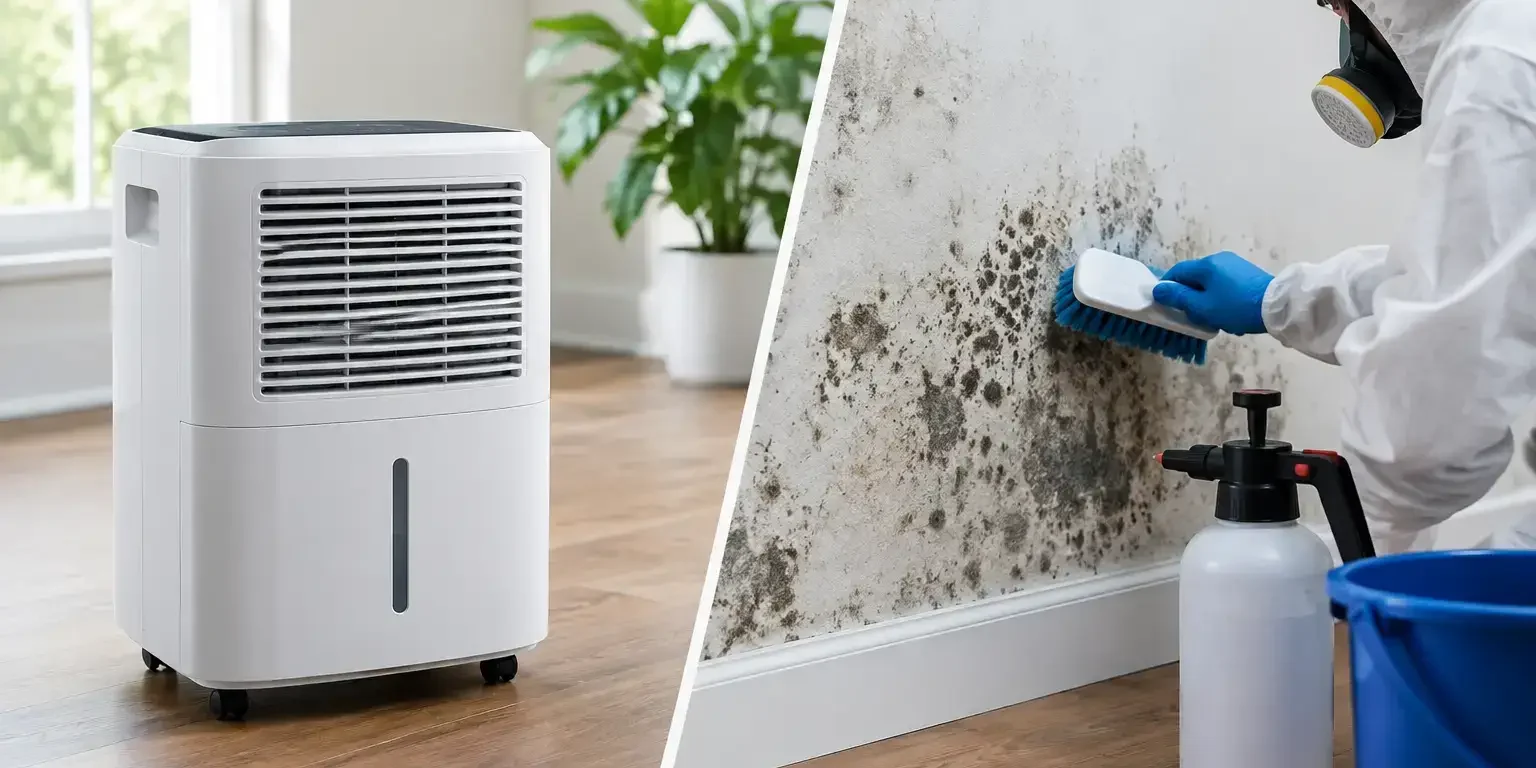
A basement dehumidifier can pull gallons of water from the air, but it cannot remove mold that is already growing behind drywall, beneath flooring, or inside a wet building material. That is the central issue in the dehumidifier versus mold remediation decision: one controls a condition that encourages growth, while the other addresses an active contamination problem and the damage that allowed it to develop.
For homeowners, property managers, and business owners, the wrong choice can be costly. Relying on a dehumidifier when there is an unresolved leak or hidden mold may allow damage to continue out of sight. On the other hand, treating every musty smell as a major remediation project is not responsible either. The right response starts with an accurate diagnosis.
Dehumidifier Versus Mold Remediation: Different Jobs
A dehumidifier is a moisture-control appliance. It lowers relative humidity by collecting water vapor from the air. In a damp basement, crawl space, laundry room, or storage area, keeping indoor humidity generally below 50 percent can make the environment less favorable for mold growth. It may also reduce condensation on windows, pipes, and cool surfaces.
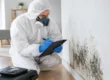
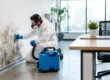
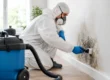
Mold remediation is a controlled process for addressing existing mold contamination. It involves locating the moisture source, determining the affected materials and areas, establishing appropriate containment, removing or cleaning contaminated materials, and completing detailed cleaning so spores and debris are not spread through the property. The moisture problem must also be corrected, or the mold can return.
Put simply, a dehumidifier is preventive maintenance or part of a moisture-control plan. Mold remediation is corrective work when contamination is present. They are often used together, but they are not substitutes.
When a Dehumidifier May Be Enough
A dehumidifier can be an effective first step when the concern is elevated humidity without evidence of active mold growth or ongoing water intrusion. This is common in older basements during humid New Jersey summers, in rooms with limited ventilation, and in seasonal properties that stay closed for long periods.
If the area has no visible growth, no persistent musty odor, no recent flooding, and no signs of damp building materials, controlling humidity may solve the immediate problem. Use a properly sized unit, keep doors and windows closed while it operates, empty or drain it consistently, and use a reliable hygrometer to confirm that conditions are improving.
Even then, look for the reason humidity is high. A dehumidifier may manage naturally damp outdoor conditions, but it should not be asked to compensate for a plumbing leak, foundation seepage, roof failure, poor drainage, or condensation caused by an uninsulated pipe. If the unit runs constantly and humidity remains high, the building needs closer evaluation.
Signs Humidity Control Is Not Solving the Problem
A full reservoir every day is not necessarily a sign that the appliance is working hard enough. It can be a warning that water is entering the structure faster than the unit can manage it. Similarly, a room that smells better while the dehumidifier is running but becomes musty again when it is off may have hidden moisture or contamination.
Watch for discoloration on drywall, ceilings, baseboards, carpet backing, insulation, or stored items. Peeling paint, warped flooring, recurring stains, visible fuzzy growth, and materials that feel damp are also reasons to stop treating the issue as a simple humidity problem. Mold can grow where the eye cannot see, particularly after a leak inside a wall or under a floor.
When Mold Remediation Is the Appropriate Response
Professional remediation becomes appropriate when there is confirmed mold growth, substantial water damage, recurring moisture, or a strong odor with no clear surface-level explanation. It is especially important when contamination affects porous materials, has spread beyond a small isolated area, or may be disturbed during demolition or repairs.
Proper remediation is not spraying a fragrance, fogging a room, or applying paint over a stain. Those shortcuts can leave the source and contamination in place. Worse, aggressive scrubbing or demolition without containment can release particles into adjacent rooms and HVAC pathways.
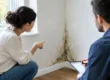
A qualified inspection identifies what is wet, what is contaminated, and why. Depending on the situation, an inspector may use moisture mapping, visual assessment, thermal imaging, and appropriate sampling to guide a written remediation protocol. Testing can be useful when the source is unclear, when occupants report indoor air concerns, or when documentation is needed for a property manager, buyer, insurer, or commercial operation. It is not a replacement for a thorough inspection.
The remediation scope should be based on conditions in the building, not scare tactics. Not all mold is dangerous, and not every spot requires the same level of response. A credible professional explains the findings, identifies the source, and recommends only the work necessary to return the space to normal conditions safely.
Why Source Correction Comes First
Mold needs moisture. That fact should shape every decision after a leak, flood, condensation issue, or humidity concern. If a contractor removes visible growth but does not correct the roof leak, plumbing failure, drainage problem, or ventilation issue behind it, the job is incomplete.
Source correction may involve repairing a water line, improving exterior drainage, addressing a roof or window leak, drying wet materials, or changing ventilation practices. In some cases, a dehumidifier remains part of the long-term plan after remediation, particularly in basements and other naturally damp areas. It helps maintain stable conditions after the contamination and its cause have been addressed.
This is why the cheapest initial proposal is not always the least expensive outcome. A low-cost cleanup that skips moisture diagnosis can lead to repeat damage, additional demolition, tenant complaints, or problems during a future sale. The goal is not merely to make a room look clean. It is to correct the conditions that made mold possible.
A Practical Decision Process for Property Owners
Start by asking whether you are dealing with moisture in the air, water in the building, or visible contamination. If it is only a humidity issue, a dehumidifier and routine monitoring may be appropriate. If water is actively entering the property, stop the source and dry the area promptly. If mold is visible or suspected behind materials, arrange for a professional assessment before opening walls or removing flooring.
Time matters after water damage. Wet materials can support growth quickly, and delays can turn a targeted drying project into a larger remediation scope. For rental properties and commercial spaces, early documentation also helps establish what happened, what was affected, and what corrective action was taken.
Avoid relying on smell alone. A musty odor deserves attention, but it does not tell you the full extent of a problem. Likewise, a clean-looking wall is not proof that the cavity behind it is dry. Moisture measurements and a trained inspection provide clearer answers than guesswork.
What Professional Remediation Should Include
A standards-based process protects both the occupants and the rest of the building. The exact steps depend on the size and location of the affected area, the materials involved, and whether the moisture source is active. A professional plan commonly includes source identification, removal or cleaning of affected materials, controlled containment where needed, air management, detailed HEPA cleaning, and verification that the area is dry and properly restored.
For a homeowner, this process provides clarity. For a property manager or business owner, it also provides a defensible record of responsible action. Certified Mold Removal Inc. approaches mold concerns by diagnosing the source before recommending a scope of work, so humidity control and remediation are applied where they actually belong.
A dehumidifier is a useful tool, not a cure-all. If you see growth, smell persistent mustiness, or are dealing with repeated dampness, protect the property by getting the cause identified before the problem has more time to spread.