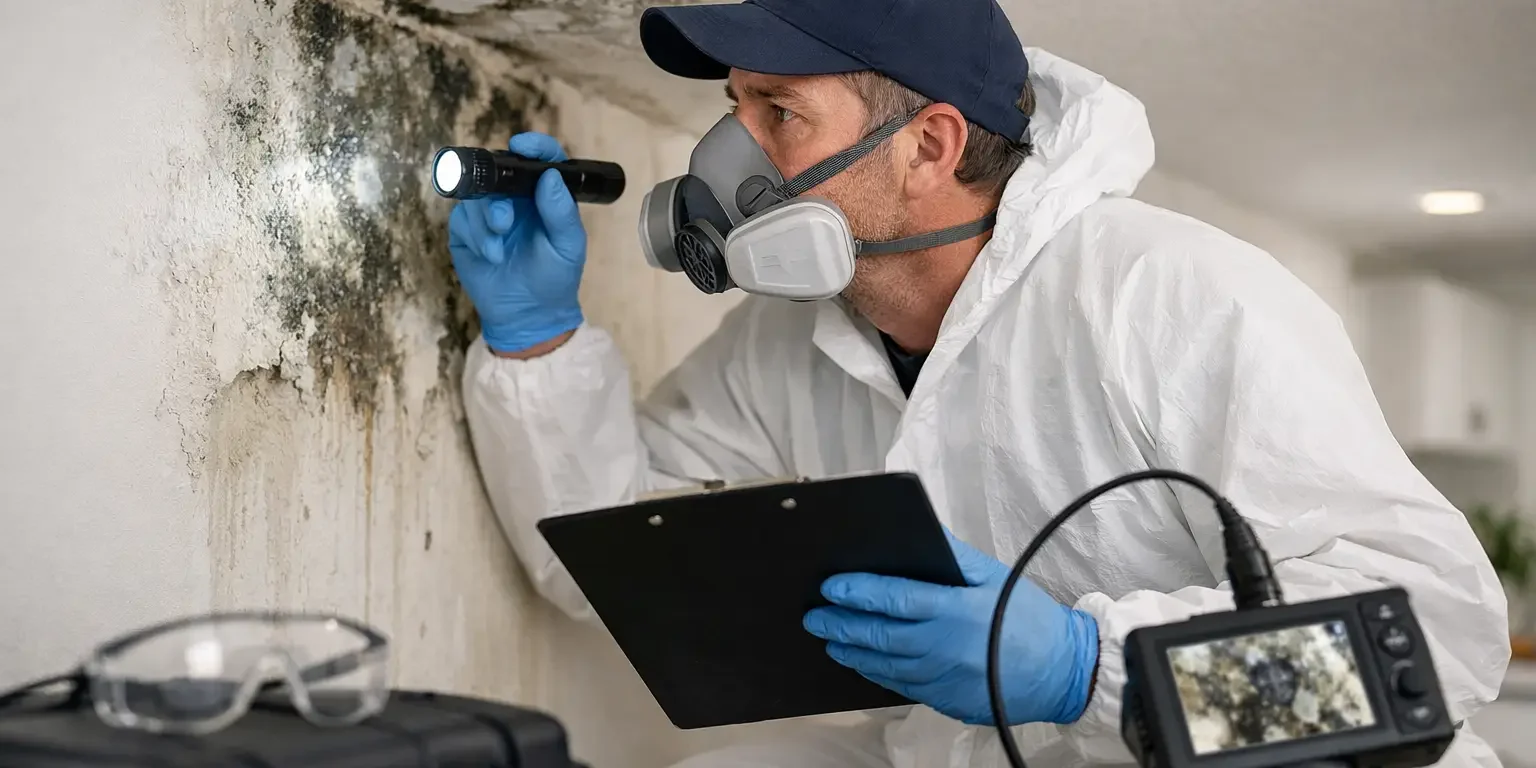
A musty smell in a finished basement, dark spotting around an HVAC vent, a ceiling stain that keeps coming back after rain – these are the moments when calling a Manalapan mold inspection company stops being a “maybe” and becomes the smart next move. Mold problems rarely stay cosmetic for long. If moisture is active, contamination can spread behind drywall, under flooring, and into the air people breathe every day.
That does not mean every mold issue is a disaster. It does mean the property needs a correct diagnosis before anyone starts tearing out materials or spraying chemicals. A professional inspection is not about panic. It is about finding the moisture source, determining how far the problem extends, and deciding whether testing, containment, and remediation are actually needed.
What a Manalapan mold inspection company should really do
A real mold inspection is more than a quick walk-through with a flashlight. At the property level, the job is investigative. The inspector should be looking at building conditions, moisture pathways, visible growth, water damage history, humidity patterns, ventilation issues, and areas where contamination may be hidden.
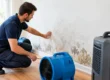
That process usually starts with a detailed visual assessment. Bathrooms, basements, attics, crawl spaces, utility rooms, window perimeters, and HVAC-adjacent areas tend to tell the story first. In many homes and commercial buildings, the obvious stain is not the full problem. The actual driver may be a roof leak, pipe leak, condensation issue, poor grading, or chronic indoor humidity.
Moisture detection is where technical credibility matters. Professional inspectors use tools to identify damp building materials and elevated moisture conditions that are not visible on the surface. That step matters because mold remediation without source correction is wasted money. If the leak, humidity, or ventilation issue remains, growth can return.
A qualified company should also know when not to overstate the problem. Not all mold is toxic. Not every discolored surface requires major demolition. Honest inspection work protects the client from two bad outcomes – ignoring a real contamination problem or paying for unnecessary work pushed by a fear-based contractor.
When mold testing makes sense and when it may not
Testing is useful, but it is not automatic in every situation. If there is heavy visible growth on building materials, the immediate priority may be documenting the condition, identifying the source, and building a remediation plan. In that case, testing can support the scope of work, but the contamination is already visible.
Where testing becomes especially valuable is when symptoms, odors, or water events suggest mold but the source is not obvious. Air samples and surface samples can help confirm whether indoor conditions are abnormal, whether spores are being distributed through occupied areas, and whether contamination is likely hidden in wall cavities, ceilings, or HVAC-related spaces.
For property managers and business owners, testing can also provide useful documentation. If tenants are reporting air quality concerns or a building has had repeated moisture events, professional sampling and written findings create a defensible record of what was found and what should happen next.
The key point is this: testing should answer a question. It should not be sold as a generic add-on with no clear purpose. A disciplined Manalapan mold inspection company explains what is being sampled, why it matters, and how the results affect the remediation decision.
Why source correction comes before mold removal
This is where many projects go wrong. Someone sees staining, scrubs the surface, paints over it, and assumes the problem is handled. A few weeks later, the odor is back. The reason is simple. Mold is a moisture problem first and a cleanup problem second.
If the property has an active plumbing leak, roof intrusion, foundation seepage, elevated crawl space humidity, or inadequate bathroom exhaust, those conditions must be addressed as part of the overall plan. Otherwise, removal becomes temporary.
This is also why general handyman fixes often fall short. A contractor may replace damaged drywall without evaluating containment, air movement, or the surrounding materials. That can spread particles into occupied areas and miss hidden contamination nearby. Proper inspection protects against that kind of incomplete work by defining the problem before the cleanup starts.
What the inspection process should look like
A professional process is structured, documented, and built around occupant safety. First comes the assessment of affected and adjacent areas. Then the inspector identifies moisture sources and evaluates how contamination may be traveling. If needed, samples are collected. After that, the client should receive clear findings and practical next steps.
In more involved cases, those next steps include a written remediation protocol. That document outlines the scope of work, containment requirements, removal methods, cleaning procedures, and post-remediation expectations. For larger residential jobs and many commercial settings, that level of clarity is important. It keeps the work controlled and helps everyone understand what is being addressed.
The best companies also distinguish between inspection and remediation logic. If a room has minor surface growth caused by temporary condensation, the solution may be straightforward. If contamination is widespread or tied to long-term hidden moisture, the response needs to be more controlled. The difference affects cost, timeline, and disruption.
Red flags when choosing a Manalapan mold inspection company
The first red flag is a company that jumps straight to removal without a serious diagnosis. If nobody has identified the moisture source, measured conditions, or explained the extent of the problem, the process is already off track.
Another warning sign is exaggerated language designed to scare occupants into immediate approval. Mold should be taken seriously, especially around children, older adults, or people with respiratory sensitivities. But serious does not mean theatrical. You want certified professionals who can explain the real risk level, not salespeople using worst-case language on every call.
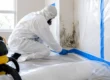
It is also worth asking about licensing, insurance, training, and standards. Mold work affects indoor air quality and occupant exposure. Containment, negative air setup, material removal, and cleaning procedures need to be handled correctly. That is not a detail. It is the difference between controlled remediation and contamination that gets spread through the property.
Finally, be cautious if the company cannot explain what happens after the inspection. A solid provider should be able to describe the decision tree clearly: whether monitoring is enough, whether testing is recommended, whether a remediation protocol is needed, and what the next phase would involve if contamination is confirmed.
Why fast response matters after water damage
Time changes the scope of a mold problem. After a leak, flood event, or major humidity spike, damp materials can begin supporting growth quickly. That is why same-day attention matters in many cases. Fast response does not mean rushing to conclusions. It means preserving evidence, locating wet materials, reducing the chance of spread, and making informed decisions before the damage expands.
In Monmouth County properties, this issue often shows up after storm-related leaks, sump failures, appliance line breaks, and long-term basement dampness that owners have learned to tolerate. The building may seem “mostly fine” until odors intensify or materials start breaking down. By then, the repair is often larger than it needed to be.
Prompt inspection protects more than drywall and flooring. It also protects schedules, tenants, employees, and property value. For business owners, unresolved moisture and mold can disrupt operations. For homeowners, delay can turn a localized issue into a multi-room project.
What homeowners and property managers should expect from a specialist
You should expect direct answers. If the issue is small, a reputable specialist should say so. If the contamination is significant, they should explain why, where it is likely coming from, and what safe correction involves.
You should also expect a company that understands the full cycle of work. Inspection is the first step, but it has to connect to real-world remediation planning. That means knowing how to move from diagnosis to containment, removal, cleaning, and post-remediation clearance goals without improvising halfway through the job.
Certified Mold Removal Inc. has built its reputation around that kind of process – certified assessment, clear documentation, safe remediation planning, and responsive service when property conditions cannot wait. For clients in and around Manalapan, that combination matters because mold problems are rarely just surface problems.
The best time to bring in a qualified inspector is not when the damage feels overwhelming. It is when the signs first stop making sense on their own – the odor that lingers, the stain that returns, the room that always feels damp, or the tenant complaint that keeps repeating. A careful inspection gives you something better than guesswork: a clear path to a safer building.