A few dark spots on drywall can look minor until the smell spreads, the paint starts bubbling, or someone in the building keeps coughing. That is usually the moment people ask, is professional mold removal necessary, or can this be cleaned with a spray bottle and a weekend of work?
The honest answer is not always, but very often yes. Mold is not one problem. It is a category of problems, and the right response depends on what is growing, how far it has spread, what materials are affected, and why the moisture is there in the first place. A small amount of surface mold in a well-ventilated area is very different from contamination inside walls, under flooring, in an HVAC system, or across a commercial space with ongoing humidity issues.
What matters most is proper diagnosis before cleanup. If the source of moisture is not identified and corrected, mold usually returns. If contaminated material is disturbed without containment, spores can spread into clean areas and make a localized issue much larger.
When is professional mold removal necessary?
Professional mold removal becomes necessary when the problem is more than superficial, when the moisture source is unresolved, or when health and liability risks are on the line. That includes mold caused by roof leaks, plumbing failures, basement moisture, poor ventilation, flooding, or long-term humidity problems.
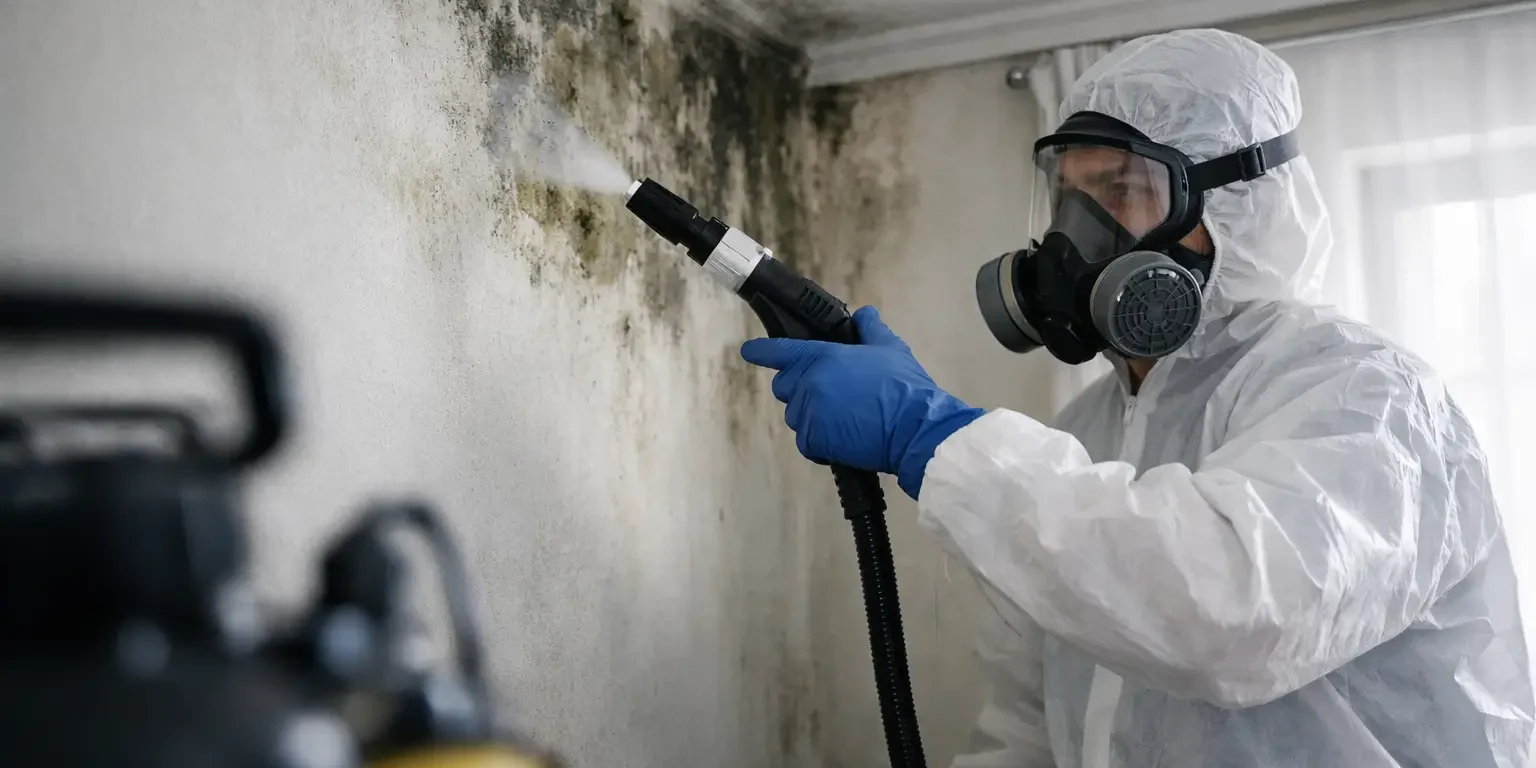
It is also the safer choice when porous materials are affected. Mold growing on drywall, insulation, carpeting, ceiling tile, wood framing, or contents cannot always be wiped away. In many cases, those materials need controlled removal, HEPA filtration, and detailed cleaning of surrounding areas to avoid cross-contamination.
For homeowners, the turning point is often uncertainty. If you do not know how far the growth extends, what is wet behind the wall, or whether the odor is coming from a hidden cavity, guessing can get expensive. For property managers and business owners, the standard is even higher. Occupant safety, documentation, downtime, tenant complaints, and future claims all make professional remediation the smarter path when contamination is anything more than minor and clearly isolated.
Cases where DIY may be enough
Not every mold issue requires a full remediation crew. If growth is very limited, clearly visible, and confined to a hard, non-porous surface, cleanup may be manageable without major intervention. A little mildew on tile grout in a bathroom with no hidden water damage is not the same as mold spreading through sheetrock after a pipe leak.
But even in small cases, the key question is whether you are treating the cause or just the symptom. If the bathroom fan is inadequate, the window is never opened, or condensation forms daily, the mold will keep coming back until the moisture problem is corrected. Cleaning alone is not remediation.
That distinction matters because many people think mold removal means spraying bleach and moving on. In practice, real remediation means identifying the source, controlling airborne spread, removing unsalvageable material when necessary, cleaning remaining surfaces properly, and restoring normal indoor conditions.
Why improper cleanup often makes mold worse
Mold is easy to disturb and easy to spread. Scrubbing dry mold, using the wrong equipment, or tearing out materials without containment can release spores into the air and onto other surfaces. What started in one room can migrate into hallways, adjoining rooms, furniture, and HVAC pathways.
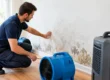
This is where professional work earns its value. A certified mold contractor does not just remove what is visible. The job should begin with inspection, moisture assessment, and in many cases testing or a written remediation protocol. From there, the work is done with engineering controls such as containment barriers, negative air pressure, HEPA air scrubbers, and safe disposal procedures.
That process protects indoor air quality during the job, not just after it. It also reduces the chance that a partial cleanup leaves hidden contamination behind.
Is professional mold removal necessary for health reasons?
Sometimes yes, especially when sensitive occupants are involved. Mold affects people differently. Some may notice little more than an odor. Others experience eye irritation, coughing, congestion, headaches, or aggravated asthma symptoms. Children, older adults, and people with allergies or respiratory conditions are generally more vulnerable.
That does not mean every patch of mold is an emergency, and it does not mean every mold type is dangerous. Fear-based claims do more harm than good. Still, if people in the home or building are reacting, if there is widespread musty odor, or if contamination is hidden in occupied areas, professional assessment is the safer move.
For commercial properties, healthcare settings, multifamily buildings, schools, and offices, health concerns are only part of the equation. There is also duty of care. Once indoor air quality becomes a tenant or employee issue, informal cleanup may not be enough to protect the occupants or the owner.
Hidden mold is where the risk increases
Visible mold is only part of the story. Some of the most significant contamination is hidden behind walls, inside ceiling cavities, under flooring, around windows, inside crawl spaces, or near HVAC components. By the time it becomes visible, the damage may already extend beyond what can be seen.
Warning signs include persistent musty odor, staining, warping materials, recurring mold in the same area, recent water intrusion, and humidity that stays high indoors. If any of those are present, a professional inspection can help determine whether the issue is cosmetic or structural.
In coastal and high-humidity parts of New Jersey and surrounding areas, this comes up often after storm events, basement seepage, roof leaks, or poorly ventilated attics. Fast action matters because mold growth does not wait for a convenient time.
What professional remediation should include
If you hire a specialist, the process should be disciplined and standards-based. That means diagnosis first, source correction before or during remediation, and a clear scope of work. A qualified company should be able to explain what is affected, what can be cleaned, what must be removed, and how the work area will be isolated.
The strongest providers do more than demolition. They inspect, test where appropriate, document findings, and perform remediation in a way that protects occupants and unaffected parts of the property. That is especially important in occupied homes, apartment buildings, retail spaces, and offices where work has to be completed without spreading contamination.
Certified Mold Removal Inc. follows that specialist approach because mold problems are rarely solved by surface cleaning alone. A controlled process is what keeps a mold issue from becoming an indoor air quality issue.
The cost question: necessary versus avoidable
People often ask whether professional mold removal is worth the cost. A better question is what the cost of delay looks like. If moisture continues, mold can damage finishes, framing, insulation, contents, and air quality. A smaller remediation today may prevent a much larger rebuild later.
That said, not every situation requires the most extensive response. Honest professionals should tell you when a problem is limited and when a targeted solution is enough. The goal is not to oversell fear. It is to match the response to the actual conditions.
That is one reason certified inspection matters. It separates a manageable issue from a hidden one, and it helps avoid paying for either too little or too much work.
So, is professional mold removal necessary?
If the mold is widespread, recurring, caused by water damage, affecting porous materials, producing strong odor, or impacting occupants, professional removal is usually necessary. If the issue is truly small, isolated, and limited to a non-porous surface with no underlying moisture problem, you may not need full remediation.
The problem is that many people underestimate what they are dealing with. Mold is not judged by appearance alone. The real question is whether the contamination is contained, whether the cause is known, and whether cleanup can be done without spreading it.
If you are unsure, that uncertainty is the answer. Mold problems get easier and less expensive when they are addressed early, with the right diagnosis and the right containment. A careful professional evaluation is not about panic. It is about protecting the building, the people in it, and your next step.