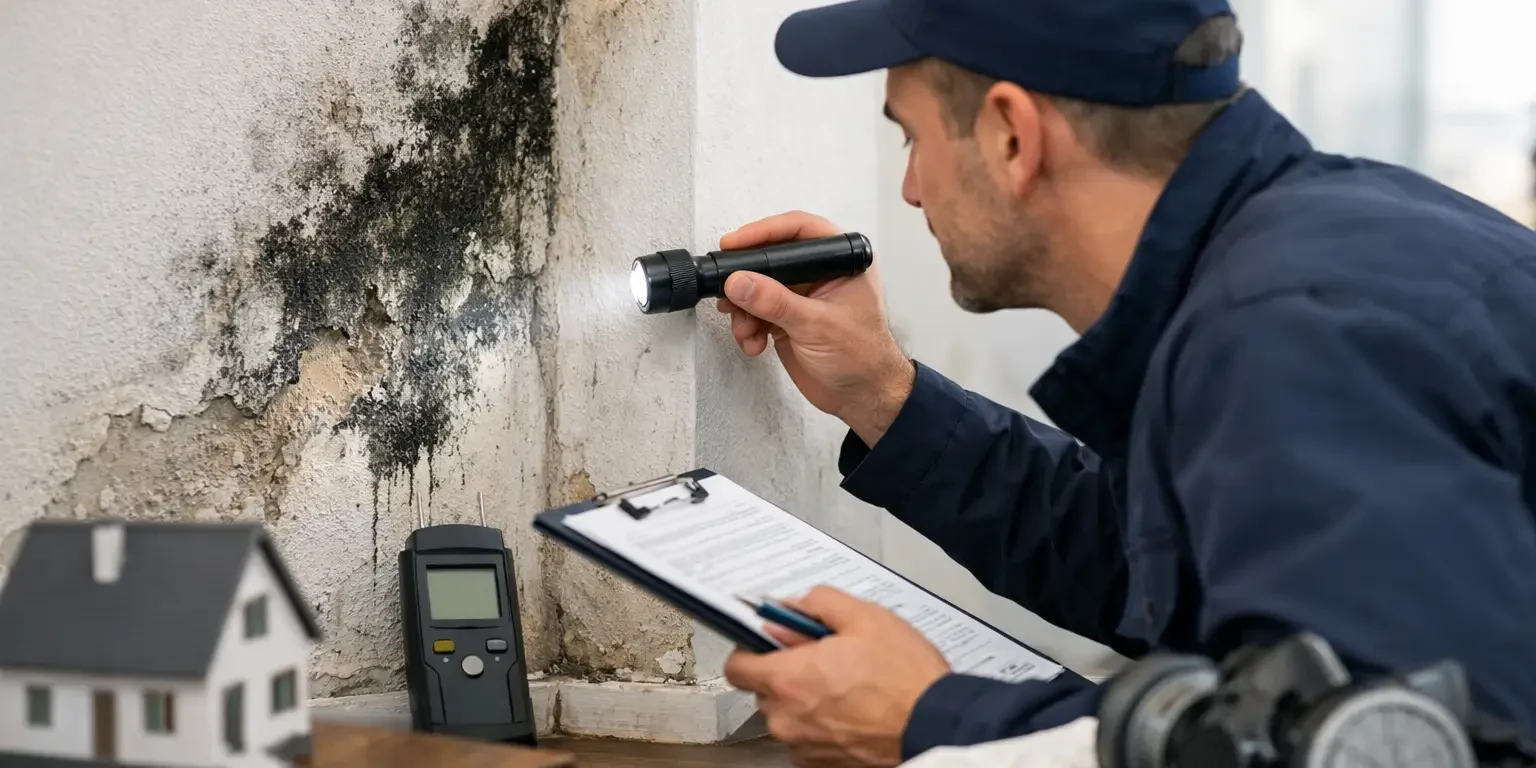
A water stain under a kitchen sink can become far more than a maintenance ticket if moisture has been feeding hidden mold behind the cabinet. A landlord mold liability inspection creates a documented, professional record of what was found, what caused it, what actions were taken, and whether the indoor environment was returned to normal conditions. For landlords and property managers, that record can be as important as the repair itself.
Mold concerns should be handled promptly, but they should not be handled with panic. Not every dark mark is mold, and not every mold condition creates the same level of risk. The right response is a disciplined inspection that identifies the source of moisture first, evaluates the affected materials, and provides a defensible path for correction.
Why Mold Inspections Matter to Landlord Liability
Landlord responsibility generally centers on habitability, maintenance, and reasonable response after receiving notice of a condition. The details depend on the lease, local building requirements, state law, and the facts of the situation. A landlord is not automatically responsible for every instance of mold, particularly when tenant actions created ongoing moisture conditions. But ignoring a credible report of leaks, water intrusion, or visible growth can create avoidable exposure.
The inspection establishes the facts before assumptions take over. It can help distinguish between a minor surface condition caused by condensation and a larger hidden issue related to a plumbing leak, roof failure, foundation seepage, poor drainage, or an HVAC problem. That distinction affects the scope of work, the urgency of repairs, and the documentation a landlord should retain.
A good inspection also shows that the owner took the report seriously. If a tenant later claims that concerns were dismissed or repairs were delayed, dated findings, photographs, moisture readings, repair records, and communication logs provide a clear timeline of the response.
What a Landlord Mold Liability Inspection Should Document
A proper mold inspection is not a quick visual glance followed by a sales pitch. The inspector should assess the affected area, look for moisture pathways, and determine whether the condition may extend beyond what is visible. In rental housing, the inspection report should be clear enough for a property manager, contractor, tenant, insurer, or attorney to understand what occurred and what needs to happen next.
The report should document the reported concern, inspection date, rooms evaluated, visible conditions, odors, moisture readings, suspected water source, affected materials, and recommended corrective actions. Photographs should be dated and tied to the location. If conditions warrant sampling, the report should identify the sample locations and explain how the results relate to the physical findings.
Testing can be useful, but it is not always the first or only answer. Visible growth combined with a known moisture source may already establish the need for correction. In other cases, air or surface sampling can help evaluate an unclear condition, support a remediation protocol, or establish conditions after cleanup. Testing without a thorough building assessment can be misleading. A lab result does not repair a leak, identify a moisture pathway, or tell you whether contaminated materials must be removed.
Moisture Source Comes First
Mold cannot continue growing without moisture. That is why source correction is the foundation of responsible property management. Repairing a pipe leak, addressing roof intrusion, correcting drainage, replacing failed caulking, improving ventilation, or resolving chronic humidity may be necessary before cleanup begins.
Simply painting over discoloration or applying a household chemical may make a surface look better temporarily, but it does not resolve contaminated porous materials or moisture inside a wall cavity. Worse, uncontained disturbance can spread particles into other rooms. The fastest-looking repair is not always the safest or least expensive repair over the life of the property.
When Tenant Behavior Is Part of the Picture
Liability is rarely determined by one fact alone. A tenant who reports a leak promptly has done something very different from a tenant who allows repeated overflow, disables ventilation, or fails to report a persistent plumbing issue for months. Still, owners should avoid making conclusions before the facts are documented.
Inspectors can often identify conditions that contribute to elevated indoor moisture, such as blocked exhaust vents, poor air circulation, condensation on cold surfaces, or water damage that predates the current tenancy. Property managers should preserve written maintenance requests, entry notices, repair invoices, and communications about access. Those records help establish whether the issue was reported, how quickly it was addressed, and whether follow-up was completed.
The goal is not to build a case against a tenant. The goal is to protect occupants and the building with an accurate account of the conditions. Clear communication also reduces conflict. Tell the tenant when an inspection is scheduled, what areas need to be accessed, what temporary precautions are appropriate, and when repairs or remediation will occur.
Responding to a Mold Complaint the Right Way
Time matters after a tenant reports a leak, musty odor, visible discoloration, or water damage. A prompt response can prevent a smaller condition from becoming a major restoration project. Start by acknowledging the report in writing and arranging a qualified evaluation. If there is active water, stop the source and begin drying immediately.
Do not promise a diagnosis before the inspection is complete. Statements such as “it is only mildew” or “there is no mold” can become a problem if the condition later proves more extensive. It is more responsible to say that the concern is being evaluated and that corrective action will follow the findings.
For a limited condition, repairs may involve source correction, removal of damaged materials, controlled cleaning, drying, and a final visual and moisture review. Larger or concealed contamination may require a written remediation protocol, containment, controlled removal, air management, and post-remediation evaluation. The proper scope depends on the size of the affected area, the materials involved, the level of moisture damage, and whether occupants may be exposed during the work.
In occupied multifamily buildings, planning matters. Workers should protect unaffected areas, control dust and airborne debris, and avoid treating a tenant’s home like an active construction zone with no safeguards. A professional remediation process is designed to correct the condition without spreading it through the property.
Avoid the Documentation Gaps That Create Problems
Many landlord disputes become harder because basic records are missing. Keep the original tenant complaint, inspection report, photos, moisture documentation, repair estimates, invoices, remediation protocol when applicable, and completion records together in the property file. Include dates, unit numbers, and names of the vendors who performed the work.
It is also wise to document what was not found. If an inspection finds no elevated moisture, no visible growth, and no evidence of an active water source, that finding still matters. It shows the concern received a professional response rather than being ignored.
Property managers should be cautious about relying on a general contractor whose only recommendation is demolition or a company that uses alarming language before inspecting the property. Mold work should begin with diagnosis, not fear. Certified Mold Removal Inc. approaches inspections by identifying the moisture source, evaluating the affected materials, and recommending only the work the conditions support.
A Practical Standard for Landlords
The strongest liability position is not created by denying a problem or automatically authorizing the most expensive scope. It comes from acting reasonably: respond quickly, inspect professionally, correct the moisture source, use appropriate containment and cleanup methods, and preserve the records.
For properties in New Jersey, New York, Pennsylvania, or Connecticut, legal requirements and local enforcement practices can vary. When there is a significant tenant dispute, claimed illness, major water damage, or a threatened legal action, speak with qualified legal counsel in addition to arranging an environmental assessment. An inspection report provides technical facts, but it is not a substitute for legal advice.
A well-managed mold concern should leave the property safer, drier, and easier to defend. When a tenant raises the issue, treat the report as a maintenance priority, not an argument to win. The right inspection gives everyone a clearer path forward.