A house can smell clean and still have an air quality problem. That is what makes this issue easy to miss. If you are asking how to improve indoor air quality, the right starting point is not fragrance sprays or a quick filter swap. It is figuring out what is actually getting into the air, what is staying there, and what conditions inside the building are allowing that problem to continue.
Poor indoor air quality usually comes from a small set of causes that feed each other. Moisture supports mold growth. Dust and debris build up in neglected systems. Cleaning chemicals and building materials release particles or gases. Weak ventilation traps it all indoors. The fix is rarely one product. It is a controlled process that reduces contaminants at the source, improves airflow, and keeps moisture in check.
How to improve indoor air quality starts with source control
The fastest way to waste money is to treat air quality as a filtering problem only. Air cleaners can help, but they are not a substitute for source control. If a bathroom fan vents poorly, a crawl space stays damp, or a roof leak has wet insulation behind the ceiling, the air problem will keep returning.
Start with moisture. In our field, this is often the turning point between a temporary improvement and a lasting one. Indoor humidity that stays too high can support mold growth, dust mites, and musty odors. In many homes and commercial spaces, the target is to keep relative humidity in a stable, moderate range, usually around 30 to 50 percent. The exact number depends on the season, the building envelope, and the HVAC setup, but persistent dampness is a red flag.
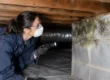
If you see condensation on windows, smell a musty odor, or notice staining around vents, baseboards, or ceilings, do not assume it is cosmetic. Water intrusion behind walls, under flooring, or inside ductwork can affect air quality long before visible mold becomes obvious. The right response is to correct the moisture source first, then address any contamination that remains.
Ventilation matters, but it depends on the building
Fresh air helps dilute indoor pollutants, but more ventilation is not always better if it is unmanaged. Opening windows can help in mild weather when outdoor air is cleaner and humidity is reasonable. In hot, humid conditions or during allergy season, bringing in outside air may make indoor conditions worse.
That is why building-specific judgment matters. A tight newer home may trap pollutants because it is energy efficient but poorly balanced for air exchange. An older building may have plenty of air leakage but still hold moisture in basements, bathrooms, and utility rooms. The goal is controlled ventilation, not random air movement.
Bathroom fans should vent to the exterior and run long enough to remove moisture after showers. Kitchen exhaust should capture cooking smoke and combustion byproducts instead of recirculating them back into the room. Laundry rooms, basements, and lower levels often need special attention because they can stay damp without obvious signs.
In commercial properties, ventilation problems are often tied to deferred maintenance, occupancy changes, or HVAC systems that are no longer matched to how the space is being used. A building that once housed a low-traffic office may now have more people, more equipment, and more heat and particle load than the original system was designed to manage.
Filtration helps when the system can support it
Good filtration can reduce airborne particles, but not every HVAC system can handle a denser filter. This is where homeowners and property managers often get bad advice. Installing the highest-rated filter available sounds smart, but if the system is not designed for that resistance, airflow can drop and performance can suffer.
A better approach is to match the filter to the equipment and the indoor conditions. For many buildings, a quality pleated filter changed on schedule is a strong improvement over a cheap basic one. If occupants have respiratory sensitivities, pets, or higher dust levels, filtration may need to be upgraded carefully with attention to system capacity.
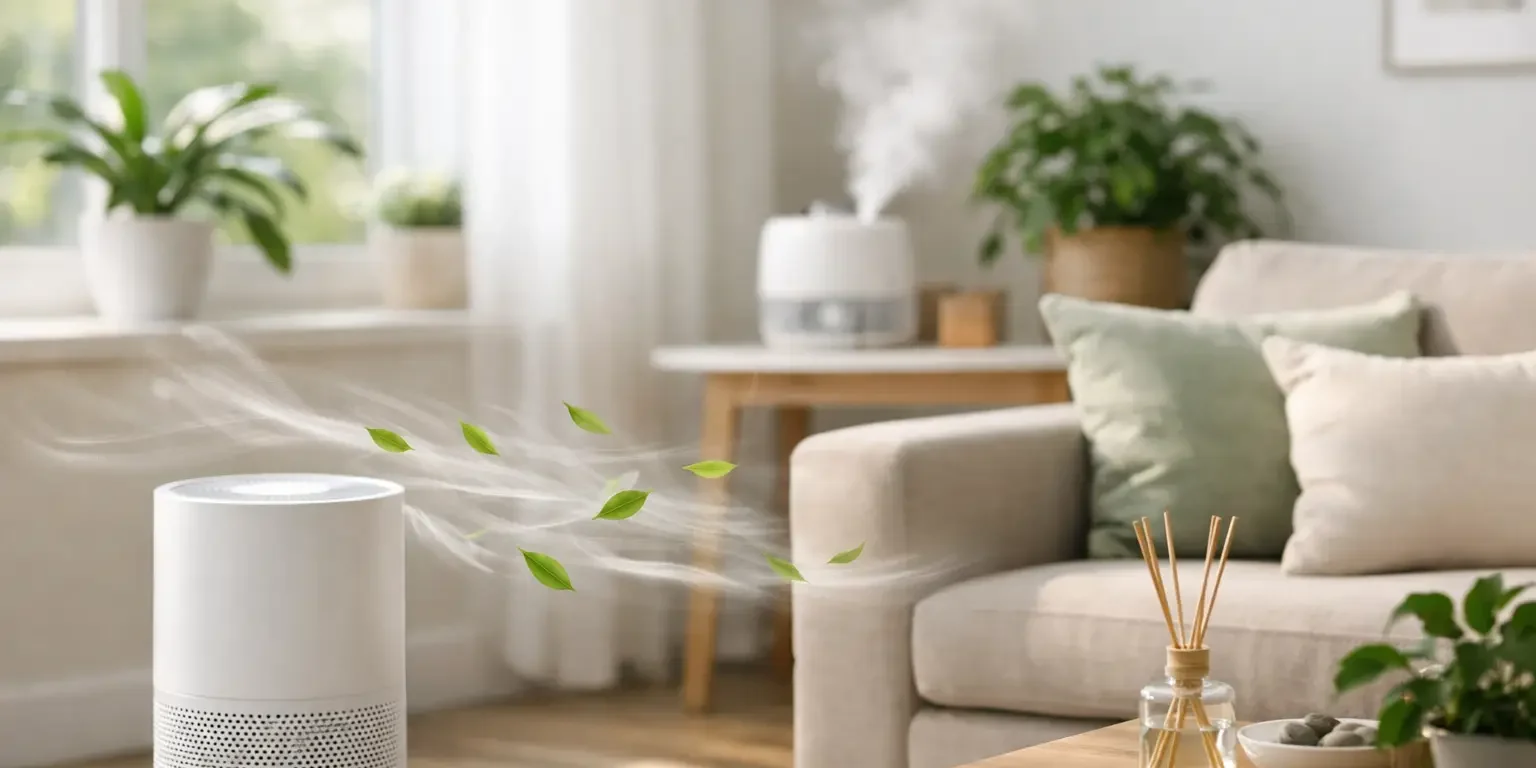
Portable HEPA air purifiers can also help in bedrooms, offices, and other high-use spaces. They are useful when targeted correctly, especially during cleanup or after water damage, but they should not be used to avoid dealing with an underlying contamination source. If there is active mold growth or debris in the HVAC system, filtration alone is not a complete solution.
Housekeeping affects the air more than most people think
Air quality is influenced by what settles on surfaces and what gets stirred back up. Dust, pet dander, fibers, and debris do not stay put. Foot traffic, vacuum exhaust, ceiling fans, and HVAC cycling can reintroduce particles into the breathing zone throughout the day.
That does not mean a building needs to be spotless. It means cleaning methods should reduce airborne spread rather than add to it. Vacuuming with a sealed HEPA unit is more effective than using an older machine that blows fine particles back into the room. Damp wiping is better than dry dusting for many surfaces. Entry mats and a no-shoes policy can reduce the amount of outdoor contaminants tracked inside.
Soft materials also matter. Upholstered furniture, area rugs, curtains, and stored cardboard can hold dust and moisture. In a dry, well-maintained space, that may be manageable. In a damp basement, a recently flooded lower level, or a room with chronic condensation, those same materials can become part of the problem.
Watch the products you bring indoors
Some indoor air issues are self-created. Scented sprays, foggers, candles, harsh cleaners, and certain paints or adhesives can release compounds that irritate occupants even when the building is otherwise clean. If someone in the home or workplace gets headaches, throat irritation, or sinus symptoms mainly indoors, these products are worth reviewing.
The solution is not to eliminate every chemical product. It is to use lower-emission options where possible, ventilate during and after use, and avoid covering odors instead of investigating them. A musty smell hidden by fragrance is still a moisture problem. A strong chemical smell after a renovation may point to off-gassing, poor ventilation, or materials that need more cure time before occupancy returns to normal.
Combustion sources deserve attention too. Gas stoves, fireplaces, attached garages, and fuel-burning appliances can affect indoor air if they are not venting properly. Carbon monoxide is the emergency risk, but lower-level byproducts can also contribute to air quality complaints. Regular service and proper exhaust are part of a sound prevention plan.
When mold may be part of the indoor air problem
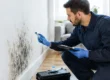
Not every mold issue is severe, and not every dark spot on a surface is a major hazard. Fear-based claims do not help property owners make good decisions. What does matter is whether there is active growth, what caused it, how far it has spread, and whether contaminated materials are being disturbed.
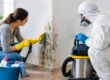
This is where people often make the situation worse. Scrubbing visible growth without containment, using fans on contaminated areas, or tearing into wet drywall without a plan can push spores and debris into clean parts of the building. The result is more cross-contamination and a harder cleanup.
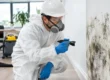
If there has been water damage, a recurring leak, persistent humidity, or unexplained musty odor, a professional inspection may be the smartest next step. A qualified team can determine whether mold is present, where the moisture is coming from, and what level of remediation is actually needed. That protects both health and budget because the work is based on conditions, not guesswork.
In parts of New Jersey, New York, Pennsylvania, and Connecticut, we often see indoor air complaints rise after storm events, basement moisture, roof leaks, and HVAC condensation issues. Those situations are common, but they should still be handled with technical discipline. Source correction comes first. Safe containment and proper cleanup follow.
A practical standard for better air
If you want a reliable answer to how to improve indoor air quality, think in this order: stop moisture, remove contaminants, support ventilation, and maintain the system. That sequence matters. Skipping to air fresheners, ozone devices, or aggressive DIY cleaning can create false confidence while the real cause stays active.
The healthiest indoor environments are not built on shortcuts. They are maintained through dry conditions, balanced airflow, proper filtration, and prompt response when something changes. If your building has odors that keep returning, visible staining, repeated humidity problems, or symptoms that improve when you leave the property, trust that pattern. Air quality issues usually leave clues before they become a larger remediation problem.
A safer building does not start with panic. It starts with an accurate diagnosis and the discipline to fix the source before the air gets worse.