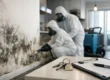
Floodwater does not wait, and neither does mold. The first 24 to 48 hours after a flood are the window that matters most, which is why any real guide to post flood mold prevention has to start with speed, not guesswork. If drywall is soaked, carpeting is saturated, or humidity stays trapped indoors, mold can begin growing well before the building looks obviously damaged.
That does not mean every wet surface is automatically a major contamination event. It does mean the response has to be disciplined. The goal is simple: remove water, lower moisture, identify what can be saved, and stop hidden growth before it takes hold behind walls, under flooring, and inside HVAC systems.
What flood conditions make mold more likely
Not all water damage creates the same level of risk. A small clean-water leak that is dried correctly is very different from storm flooding, groundwater intrusion, or sewer-affected water entering a structure. Flood events usually soak materials deeply and unevenly. Water travels under baseboards, into insulation, through subfloors, and into framing cavities where air movement is limited.
That is why post-flood mold problems are often hidden at first. A floor may feel dry on the surface while the underlayment remains wet. Drywall can look intact while insulation behind it is holding moisture. In commercial spaces, water may spread through multiple tenant areas, utility chases, and mechanical zones before anyone sees the full extent.
Humidity is the other factor people underestimate. Even after standing water is removed, indoor relative humidity can stay high enough to support microbial growth. If drying equipment is undersized, used too late, or shut off too early, the building can remain vulnerable.
Guide to post flood mold prevention: first actions that matter
Before any cleanup begins, make sure the property is safe to enter. Flooding can create electrical hazards, structural instability, and contamination concerns. If there is any question about safety, the building should be evaluated before occupants or staff re-enter.
Once access is safe, standing water needs to be extracted as quickly as possible. Time matters, but so does method. Pushing water around with fans or opening windows without a drying plan can spread moisture rather than solve it. Wet contents should be separated immediately. Upholstered furniture, boxes, rugs, papers, and porous items can trap moisture and raise humidity throughout the space.
The next priority is removing unsalvageable materials before they become a long-term mold source. In many flood losses, that may include saturated carpet pad, certain insulation types, ceiling tiles, and lower sections of drywall. The exact cut line depends on the water category, the duration of exposure, and the moisture readings inside the wall system. This is one area where rushed cosmetic cleanup often backfires. If damaged materials are left in place to save time, mold growth can continue out of sight.
Drying is not the same as airing out
One of the biggest mistakes after a flood is assuming that open windows and household fans are enough. They usually are not. Effective drying requires controlled air movement, dehumidification, and moisture tracking. The building has to be dried to appropriate moisture levels, not just made to feel less damp.
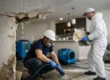
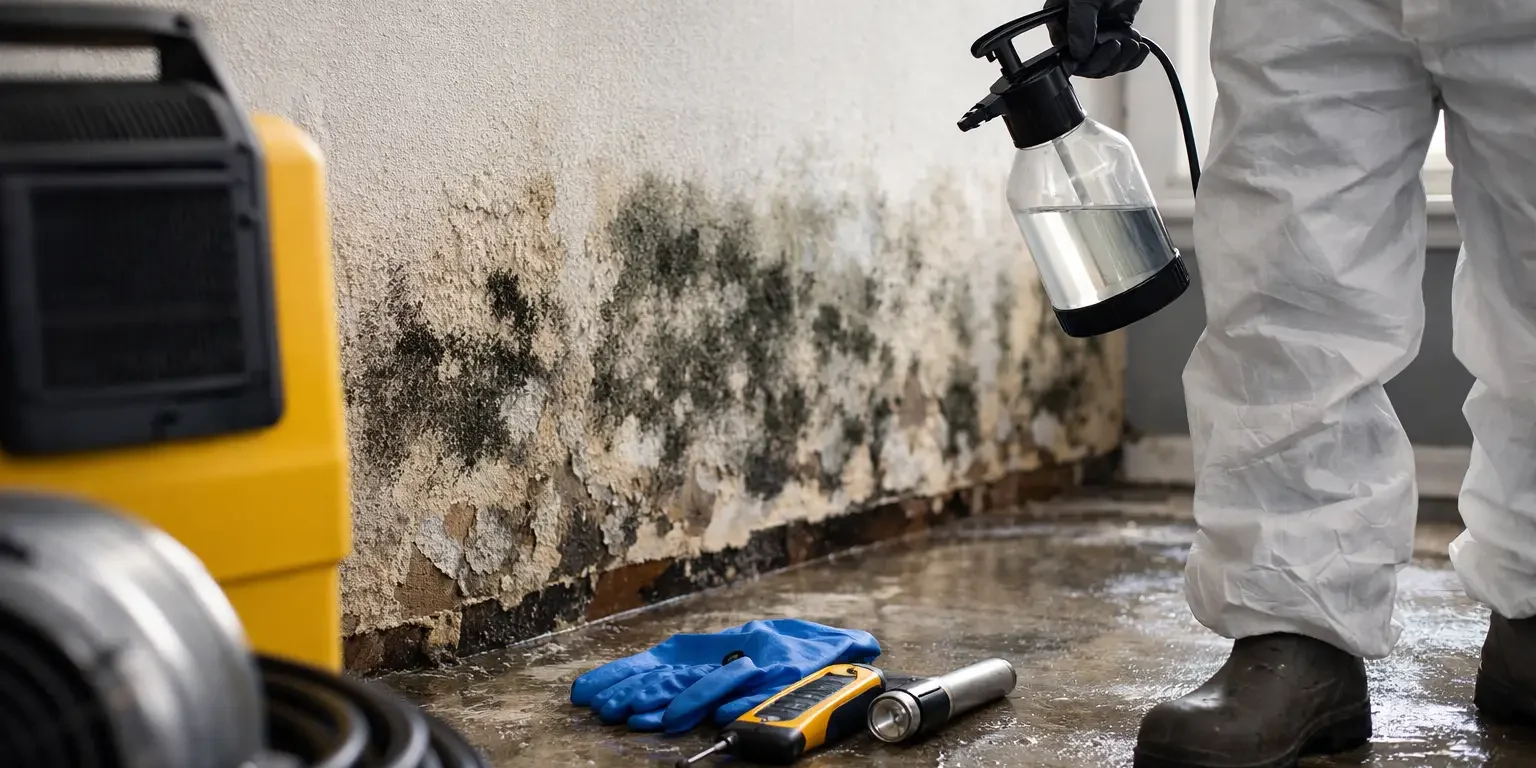
This is where professional equipment makes a difference. Commercial dehumidifiers remove moisture from the air at a scale consumer units cannot match. Air movers help evaporate moisture from wet materials, but they have to be positioned correctly. In some cases, negative air containment is also necessary to prevent cross-contamination while damaged materials are removed.
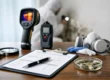
Moisture meters and thermal imaging are important because they show what the eye cannot. A wall cavity can still be wet even when paint looks normal. Subflooring can hold moisture long after the top layer appears dry. Without measurement, people tend to stop drying too early.
What should be cleaned, removed, or professionally evaluated
Hard, non-porous surfaces can often be cleaned and dried if addressed quickly and if contamination levels are manageable. Structural wood may also be salvageable in some cases, but only if it is dried thoroughly and evaluated for active growth. Porous materials are less forgiving. Drywall, insulation, carpeting, paper-faced products, and many furnishings can become mold reservoirs after flood exposure.
There is no single rule for every property because flood severity, water source, and response time all change the picture. A finished basement that sat wet for two days is different from a first-floor office dried the same afternoon. The right decision is based on inspection findings, moisture conditions, and whether materials can be returned to a stable, sanitary state.
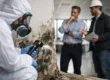
If visible growth is already present, aggressive demolition without containment is a mistake. Disturbing mold can release spores and fragments into occupied areas, affecting indoor air quality and spreading contamination. Proper diagnosis should come before broad removal. That is one reason experienced remediation specialists do not treat every job like a demolition project.
The hidden places where post-flood mold starts
Most serious post-flood mold issues are not the black spots people see on a wall. They are the concealed colonies that develop in places occupants do not inspect. Wall cavities, floor assemblies, crawl spaces, insulation pockets, cabinets built against exterior walls, and HVAC components are common trouble spots.
Basements are especially vulnerable because they dry slowly and often have less ventilation. In homes and buildings across New Jersey and neighboring service areas, storm-related water intrusion combined with summer humidity can create the perfect environment for growth even after visible water is gone. That is why a surface-only cleanup is rarely enough after a meaningful flood event.
HVAC systems deserve special attention. If return ducts, air handlers, or insulation near the system were exposed to moisture, turning the system back on too soon can circulate contaminants through the building. Equipment should be evaluated before normal operation resumes.
When DIY cleanup crosses the line
Small, isolated wet areas may be manageable for a property owner if the water source is clean, the area is dried immediately, and no hidden moisture remains. Flood losses are usually not that simple. Once multiple rooms are involved, water has entered wall systems, or contamination is suspected, the margin for error gets small.
The problem with DIY post-flood cleanup is not only missed mold. It is incomplete source correction, poor drying verification, and unsafe removal methods. Bleach-only approaches are also widely misunderstood. Bleach does not solve moisture, does not penetrate many porous materials effectively, and does not replace proper removal and cleaning procedures.
A qualified mold and water damage specialist should be brought in when there is visible growth, persistent odor, widespread saturation, health concerns among occupants, or uncertainty about what materials are still wet. The right response protects both the structure and the people inside it.
How a professional guide to post flood mold prevention differs from basic cleanup
A professional response should start with inspection and moisture mapping, not fear tactics. Not all mold is dangerous, and not every wet building needs the same level of remediation. But every flood-affected property does need an accurate assessment.
From there, the process should address the source of water intrusion, document affected areas, isolate contaminated zones where needed, remove unsalvageable materials safely, and verify drying before reconstruction begins. If testing is appropriate, it should support decision-making rather than create panic. Standards-based work matters because improper remediation can leave contamination behind or spread it further.
This is where certified firms such as Certified Mold Removal Inc. bring value. The difference is not just equipment. It is procedural accuracy, containment discipline, and the ability to distinguish between materials that can be restored and materials that should be removed.
Preventing the second wave after the building looks dry
Many post-flood mold problems appear after the emergency has passed. Occupants move back in, walls are painted, flooring is replaced, and a musty odor shows up weeks later. That second wave usually points to trapped moisture, incomplete material removal, or HVAC-related spread.
To prevent that outcome, drying should be verified before rebuild work starts. Relative humidity should be stabilized. Any leaks, drainage failures, or envelope problems that contributed to the flood should be corrected. If the property has a history of basement seepage or high humidity, long-term moisture control may need to include dehumidification, grading improvements, sump pump review, or ventilation upgrades.
The real goal is not to make the building look normal fast. It is to make the building dry, clean, and safe enough to stay normal.
After a flood, the smartest move is usually the least dramatic one: act quickly, verify everything, and do not let cosmetic cleanup hide a moisture problem that is still active.