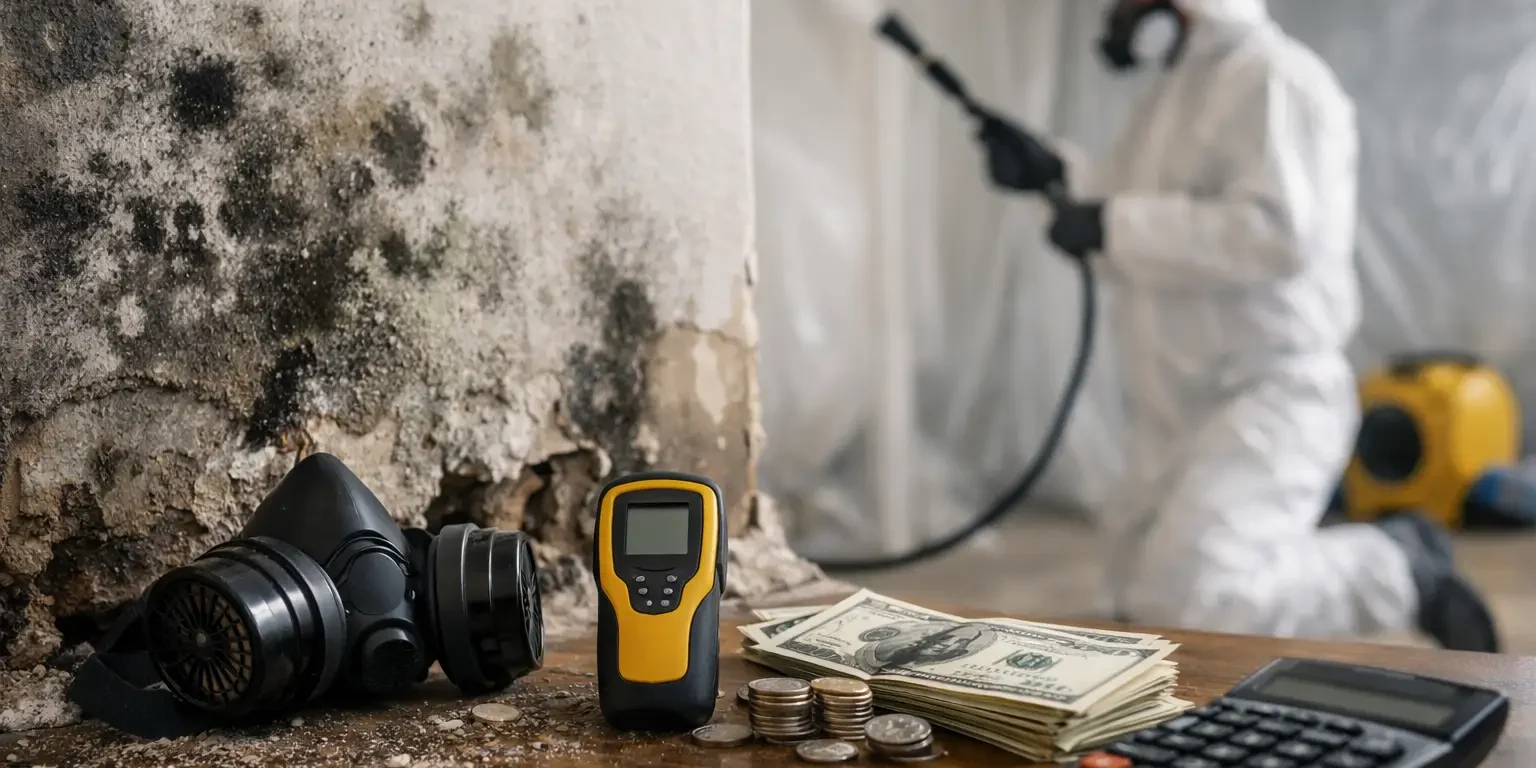
A mold remediation cost should never be treated as a simple price per room. A small area of surface growth caused by a one-time plumbing leak may require limited, controlled cleaning. Moisture hidden behind finished walls, beneath flooring, or inside a ventilation system can require a far more detailed scope. The cost reflects the conditions in the building, the materials affected, and the steps needed to prevent contamination from returning.
The right question is not only, “How much will it cost?” It is, “What work is necessary to correct the moisture source, remove affected material safely, and return the area to normal conditions?” A clear, standards-based answer protects both your budget and the people who live or work in the property.
What Drives Mold Remediation Cost?
The size of the affected area matters, but square footage alone does not determine the price. Accessibility, the type of material involved, the amount of demolition needed, and whether the moisture problem is active all influence the final scope.
A visible patch on a bathroom ceiling may be connected to condensation, poor ventilation, or a roof or plumbing issue above it. Cleaning the surface without identifying that source can make the initial work look inexpensive, only for the problem to return later. Proper remediation begins with diagnosis because source correction is what makes the cleanup durable.
Location also affects labor and containment requirements. Mold in an open, unfinished basement is generally easier to access than growth behind a tiled shower wall, under hardwood flooring, inside a finished crawlspace, or above a commercial drop ceiling. Technicians may need to remove and replace building materials to reach contamination completely. That work takes more time and may involve separate reconstruction costs after remediation is complete.
The condition of the material is equally important. Nonporous surfaces can often be cleaned when the contamination is limited. Porous materials such as drywall, insulation, carpet padding, ceiling tiles, and some upholstered contents may need removal if they cannot be reliably restored. A qualified scope distinguishes between materials that can be cleaned and materials that need controlled disposal. That decision should be based on condition, moisture exposure, and the extent of growth, not a one-size-fits-all sales pitch.
Typical Price Ranges and What They Mean
For a limited, accessible area, professional mold remediation may fall in the low thousands of dollars. Moderate projects involving several rooms, wall or floor removal, containment, and drying can range from several thousand dollars upward. Large losses, extensive hidden moisture, multi-unit properties, or commercial spaces can cost substantially more because the work involves broader containment, more labor, equipment, and detailed clearance procedures.
These broad ranges are useful for planning, but they are not a substitute for an on-site evaluation. Two homes with the same visible amount of mold can have very different remediation costs. One may need a small section of drywall removed after a repaired pipe leak. The other may have widespread moisture behind finishes, damaged insulation, and a condition that has been developing for months.
Be careful with quotes that sound unusually low before the source and affected materials have been evaluated. A low number may exclude containment, removal of damaged materials, cleaning of nearby contents, drying equipment, testing, or post-remediation verification. It may also assume that the visible mold is the entire problem. No responsible professional should promise a complete price before understanding the conditions behind the surface.
What a Proper Remediation Scope Should Include
A credible estimate explains the work, not just the total. You should be able to see what the contractor found, which areas are affected, what will be removed or cleaned, and how the work area will be controlled.
A complete scope commonly addresses these parts of the job:
- Identification of the moisture source and recommendations for correcting it
- Protection of unaffected areas through appropriate containment measures
- Controlled removal of materials that cannot be properly cleaned
- HEPA vacuuming and detailed cleaning of remaining surfaces and contents as appropriate
- Drying and moisture monitoring when water intrusion is recent or ongoing
- Final evaluation to confirm that the work area has been properly addressed
Not every project needs every measure at the same level. A minor bathroom issue does not necessarily require the same containment as a large water-damaged basement. Conversely, extensive demolition without proper containment can spread particles into clean areas of the building. The scope should match the conditions, not exaggerate them and not minimize them.
Testing can also be useful when the source of symptoms or contamination is unclear, when conditions are hidden, or when a property owner needs documentation. Testing is not automatically required for every visible spot. It has value when it answers a specific question and helps define the correct remediation plan. Certified Mold Removal Inc. takes this diagnosis-first approach because testing, inspection, source correction, and cleanup should work together rather than create unnecessary charges.
Why Containment and Source Repair Affect the Price
Containment is often the difference between a cleanup that stays controlled and one that creates a larger problem. Depending on the project, trained technicians may isolate the workspace with physical barriers, maintain appropriate air control, protect pathways, and use specialized filtration. These steps require equipment, setup time, and trained labor, but they help prevent cross-contamination while materials are being removed.
Source repair is just as critical. If a roof leak, plumbing failure, foundation moisture issue, failed seal, or chronic humidity condition remains unresolved, mold can return after even the most thorough cleaning. Sometimes the repair can be handled before remediation begins. In other cases, it must be coordinated with the cleanup so technicians can access the affected area safely.
This is where homeowners and property managers should separate remediation costs from restoration costs. Remediation addresses contamination and conditions that support it. Restoration returns finishes to their prior appearance, such as replacing drywall, repainting, reinstalling flooring, or rebuilding cabinetry. A written estimate should state which work is included and which work will be quoted separately. That clarity prevents surprises once the affected materials have been removed.
How to Compare Estimates Without Choosing on Price Alone
When comparing proposals, make sure each company is pricing the same scope. One estimate may cover only visible surface cleaning, while another includes containment, removal of damaged materials, detailed cleaning, and final verification. The lower quote is not necessarily the better value if it leaves the moisture source or hidden contamination untouched.
Ask whether the contractor is properly insured, whether technicians follow recognized remediation procedures, and how the work area will be protected. Ask who is responsible for correcting the leak or humidity issue. Ask what happens if additional damage is discovered after opening a wall or floor. A professional company will explain the possibility of concealed conditions and document changes before expanding the work.
For landlords, property managers, and business owners, documentation has additional value. Clear findings, photographs where appropriate, a written scope, and records of completed work can support communication with tenants, insurers, facility teams, and future buyers. In occupied commercial spaces, planning may also need to account for after-hours access, temporary work-area separation, and keeping operations running safely. Those operational details can affect cost, but they also reduce disruption.
When Fast Action Saves Money
Water damage gets more expensive when it is allowed to continue. A slow leak under a sink, a recurring roof issue, or damp carpet after a flood can affect more materials over time. Prompt drying and inspection may limit the project to a smaller area before moisture reaches wall cavities, subfloors, or adjacent rooms.
That does not mean every discoloration is an emergency or that every mold condition is dangerous. It does mean visible growth, persistent musty odors, recurring moisture, or recent water intrusion should be evaluated promptly and without panic. A qualified inspection gives you facts: where moisture is coming from, what materials are affected, and what level of remediation is justified.
For property owners in Monmouth County and nearby communities, the most cost-effective decision is usually early, informed action. Get the source identified, insist on a clear scope, and choose a remediation process designed to protect the building rather than simply make the visible evidence disappear.