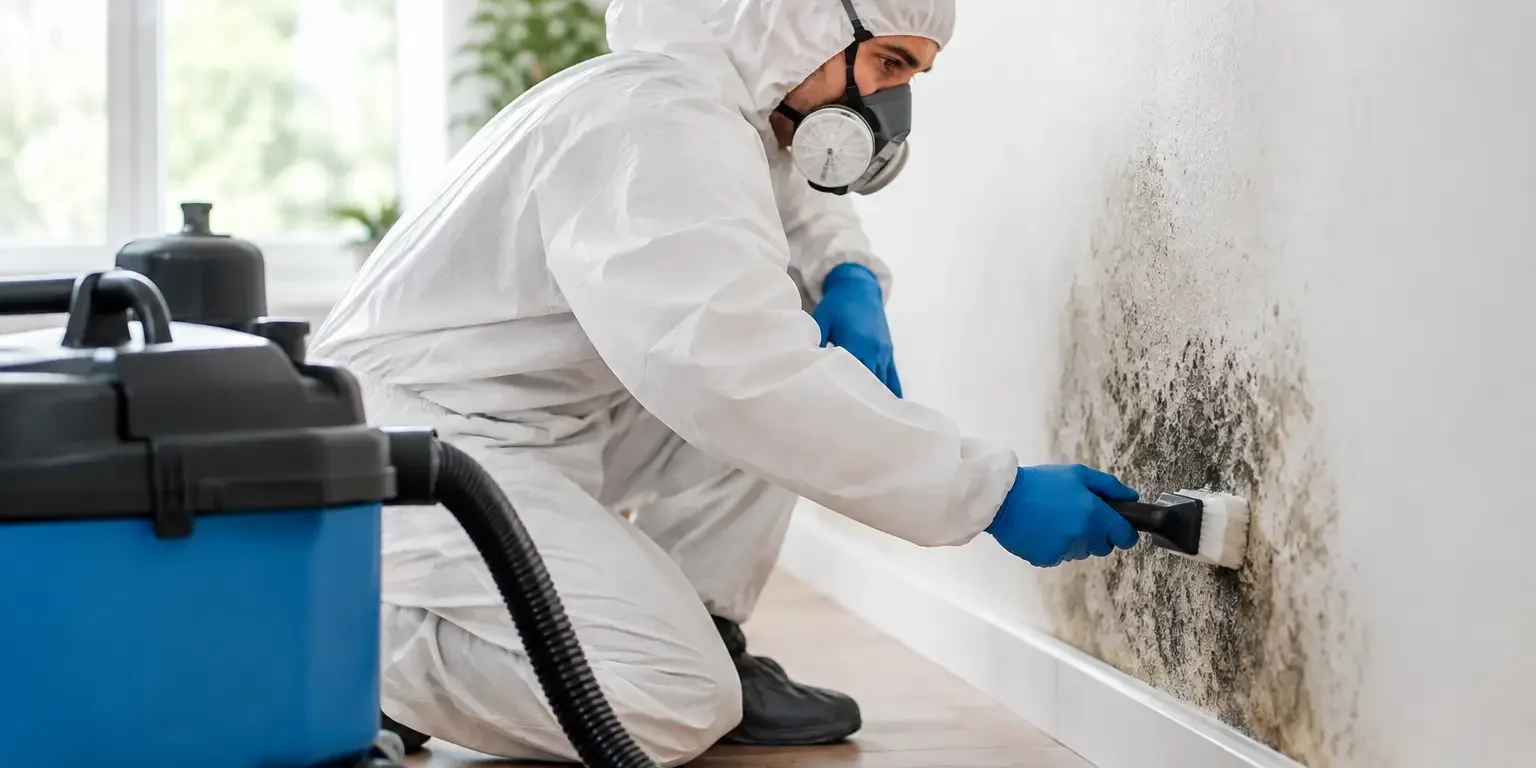
A musty basement after a coastal storm, dark spotting around a bathroom vent, or recurring stains beneath a window can turn into a larger property problem quickly. Effective Monmouth County mold cleanup is not about spraying a visible patch and hoping it disappears. It starts with identifying why moisture is present, determining the extent of contamination, and correcting conditions that allow mold to return.
Mold is common in buildings, especially where humidity, water intrusion, plumbing leaks, or poor ventilation are involved. Not every situation is an emergency, and not every type of mold presents the same level of concern. However, visible growth, persistent odors, unexplained indoor air quality concerns, or water damage should be addressed promptly and professionally. Waiting can allow damage to spread behind walls, beneath flooring, or through insulation.
Why Mold Cleanup Requires More Than Surface Cleaning
Mold needs moisture and a material it can grow on. Drywall paper, wood framing, carpet backing, insulation, ceiling tiles, and stored belongings can all support growth when they remain damp. Cleaning the surface without correcting the underlying moisture problem may improve appearances temporarily, but it does not resolve the cause.
This is where many cleanup efforts fail. A homeowner may bleach a bathroom ceiling without addressing an undersized exhaust fan. A property manager may replace stained drywall after a roof leak without confirming that the framing cavity is dry. The mold returns because the building conditions never changed.
A qualified remediation process examines the full picture: where water came from, how long materials were wet, which areas are affected, and whether contamination may have traveled beyond what is immediately visible. That approach protects the building as well as the people who live or work in it.
What Proper Monmouth County Mold Cleanup Looks Like
The right scope of work depends on the property, the affected materials, and the source of moisture. A small, isolated area caused by a short-term leak may require less extensive work than a long-running basement seepage issue or widespread water damage in a commercial building. The goal is not to overstate the problem. It is to define it accurately.
Start With a Thorough Inspection
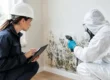
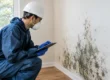
A professional inspection should focus on evidence, not assumptions. That includes visible growth, staining, moisture readings, humidity conditions, water-damaged materials, odor patterns, and likely entry points for water. In Monmouth County, moisture issues can stem from heavy rain, foundation seepage, roof and siding failures, plumbing leaks, condensation, and high indoor humidity.
The inspection should also consider hidden areas when conditions warrant it. Mold behind baseboards, inside wall cavities, beneath flooring, or above drop ceilings may not be obvious from a visual walkthrough alone. Finding the source before beginning removal prevents unnecessary demolition and helps establish an appropriate remediation plan.
Use Testing When It Answers a Real Question
Mold testing can be useful, but it is not a substitute for inspection. When visible mold and an active moisture source are clear, the immediate priority is usually correcting the source and removing affected materials safely. Testing may be valuable when there are unexplained odors, health-related indoor air quality concerns, a dispute involving a property transaction, suspected hidden contamination, or a need to document conditions before and after remediation.
A responsible provider should explain what testing can and cannot establish. Air and surface samples are snapshots of conditions at a particular time. Results must be interpreted alongside building history, moisture findings, and visual evidence. Numbers without context can create confusion or unnecessary alarm.
Correct the Moisture Source First
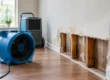
The moisture source must be repaired or controlled before remediation is considered complete. That may mean repairing a plumbing line, correcting drainage around the foundation, stopping a roof leak, improving ventilation, addressing condensation, or drying materials after a water event.
This step is non-negotiable. Mold cleanup without moisture correction is often money spent twice. A clear remediation protocol should identify the source issue and distinguish repair work from the cleaning and removal process, so owners understand what needs to happen and why.
Contain, Remove, and Clean Safely
For significant contamination, proper containment helps prevent disturbed particles from spreading into unaffected areas. Depending on the scope, this can involve sealed work zones, controlled access, negative air equipment, and air filtration practices designed to protect occupied parts of the property.
Porous materials that are heavily affected or cannot be cleaned effectively may need to be removed. Nonporous or semi-porous surfaces can sometimes be cleaned using appropriate methods, provided the underlying material remains sound. The right decision depends on the material, the degree of damage, and whether moisture has penetrated beyond the surface.
Simply fogging a room, applying fragrance, or painting over stains is not remediation. These shortcuts may mask an odor or change the appearance of a surface, but they do not reliably remove contamination or solve moisture conditions. Professional work should include careful removal of affected debris, detailed cleaning of remaining structural surfaces, and controlled disposal practices.
Protecting Occupants During Remediation
Homeowners, tenants, employees, and customers should not have to guess whether an affected area is safe to use. A remediation contractor should provide clear guidance on access, work-zone boundaries, expected noise and disruption, and whether temporary relocation from a specific area is sensible during active work.
This is particularly important in occupied homes, apartment buildings, offices, medical spaces, schools, and retail locations. The work plan should reflect how the space is used. A contained project in an unfinished basement is different from work near bedrooms, a daycare area, or a busy commercial hallway.
For property managers and business owners, documentation also matters. A written scope, moisture findings, remediation protocol, and final records can help demonstrate that the issue was handled responsibly. This supports maintenance planning, tenant communication, insurance discussions, and future property decisions.
When You Should Act Quickly
Some mold concerns can wait for a scheduled assessment, but certain conditions call for immediate attention. Fast action is warranted after substantial water intrusion, when materials have remained wet for more than a day or two, when mold is expanding visibly, or when a strong musty odor persists after a leak has been repaired.
You should also respond quickly if growth appears around HVAC components, if drywall is soft or deteriorating, or if occupants report worsening irritation that seems connected to time spent in a particular area. Symptoms alone do not diagnose a mold problem, but they are a valid reason to investigate building conditions carefully.
Do not disturb a large affected area by tearing out drywall or running fans without a plan. Aggressive DIY demolition can spread contamination into clean portions of the property and make the eventual remediation more complicated. Small surface spots on a hard, nonporous material may be manageable with careful cleaning and moisture control, but recurring or extensive issues deserve professional evaluation.
Choosing a Mold Remediation Provider
The lowest estimate is not always the lowest-cost solution. A contractor who skips inspection, cannot explain the moisture source, or recommends broad demolition without evidence may leave you with unnecessary costs or an unresolved problem. On the other hand, a provider who minimizes visible damage without investigating behind it may miss a more serious issue.
Look for a company that can explain its process in plain language, provide a written scope, use trained personnel, and follow recognized safety and containment practices. Credentials, insurance, and documented experience matter because mold remediation involves more than cleaning. It requires disciplined assessment, source correction, controlled removal, and a plan for restoring normal indoor conditions.
Certified Mold Removal Inc. approaches each project with that sequence in mind: diagnose first, correct the moisture condition, then perform remediation based on the actual scope of contamination. That protects property owners from both fear-based recommendations and incomplete cleanup.
If you are seeing mold, smelling persistent dampness, or dealing with recent water damage, the most useful next step is a prompt, qualified assessment. A clear diagnosis gives you the information needed to protect your home, tenants, employees, and property investment without guessing.