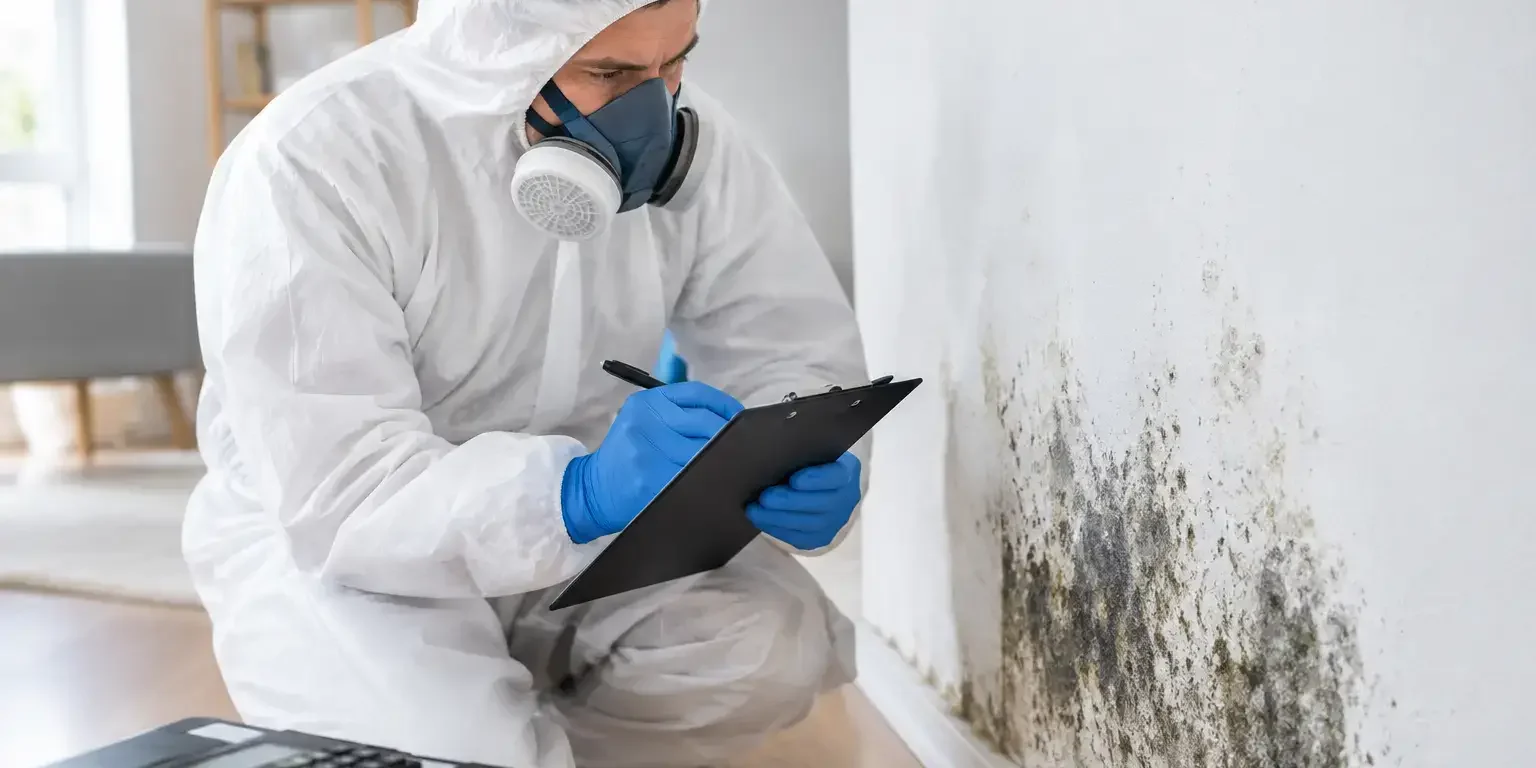
A small patch behind a bathroom vanity can be a targeted repair. The same visible growth, however, may be the surface sign of a concealed plumbing leak, wet wall cavity, or long-term humidity issue. That is why mold remediation costs cannot be responsibly estimated from a photograph alone. The scope must be based on the moisture source, affected materials, area involved, and the controls needed to protect the rest of the property.
For homeowners, property managers, and business owners, the goal is not simply to remove what can be seen. It is to correct the conditions that allowed contamination to develop, remove affected materials safely when necessary, and return the indoor environment to normal conditions without creating a larger air-quality problem.
What Mold Remediation Costs Usually Include
A legitimate remediation estimate is more than a price for spraying or wiping a surface. It should reflect a defined process: investigating the moisture issue, determining the affected area, establishing containment when needed, removing or cleaning materials according to their condition, treating remaining structural surfaces, and completing final cleanup.
In many cases, the project begins with an inspection. A qualified inspection identifies whether the issue is likely tied to a roof leak, plumbing failure, foundation moisture, poor ventilation, condensation, or a prior water event. Testing may be recommended when the source or extent is unclear, occupants report persistent indoor air concerns, or documentation is needed for a commercial property, tenant matter, or real estate transaction. Testing is useful when it answers a specific question. It should not be sold as a scare tactic or used in place of a careful visual and moisture assessment.
The estimate may also include setting up a contained work area, using negative air equipment where appropriate, protecting adjacent finishes, removing damaged drywall or insulation, cleaning structural framing, disposing of affected debris, and verifying that the work area has been properly cleaned. Repairing the original leak and rebuilding removed finishes may be separate from the remediation scope, so ask where one responsibility ends and the next begins.
Mold Remediation Costs by Scope of Work
Most projects fall into broad price ranges, but square footage alone does not tell the whole story. Access, material type, moisture history, and building use can change the scope substantially.
A small, accessible area with limited surface growth may cost roughly $1,500 to $3,500 to remediate professionally. This often applies to a contained area in a bathroom, closet, or utility space where the moisture source has been identified and there is limited removal of building materials.
A moderate project involving one or more wall sections, a larger basement area, ceiling materials, or contents protection may range from about $3,500 to $8,000. Costs rise when technicians must build containment, remove porous materials, operate air-control equipment, or address growth that extends beyond the initially visible area.
Larger or more complex losses can exceed $10,000. Examples include widespread water intrusion, multiple rooms, crawl spaces with difficult access, commercial spaces requiring after-hours work, or contamination that has affected HVAC-adjacent building cavities. A project may also cost more when it requires extensive demolition, detailed documentation, or coordination with property management, insurers, and restoration contractors.
These are planning ranges, not a substitute for an on-site evaluation. A low bid can be attractive, but it may omit containment, disposal, air control, or the work needed to address hidden moisture. A high bid deserves questions as well. The right price is the one tied to a clear, defensible scope of work.
The Factors That Drive Mold Remediation Costs
The cause and duration of moisture
A one-time leak discovered quickly is generally simpler than moisture that has been feeding a wall or floor system for months. Active water must be stopped before remediation begins. Otherwise, even a thorough cleanup can be undone by the same unresolved condition.
Location and access
Mold behind finished walls, under flooring, above ceilings, or in a tight crawl space takes more time to investigate and remediate than a visible, open surface. Technicians may need to remove finishes carefully to confirm the extent of the problem and prevent cross-contamination during the work.
Materials affected
Nonporous materials can often be cleaned when they are structurally sound. Porous materials such as drywall, insulation, carpeting, padding, and some ceiling materials may need removal if they are significantly affected. The cost is influenced by what must come out, how it will be contained and disposed of, and what rebuilding will be needed afterward.
Containment and air-quality controls
Containment is not an upsell. When a project involves disturbance of affected materials, proper barriers and controlled air movement help keep debris from migrating into clean parts of the building. The level of control should match the size and conditions of the job. Not every small surface issue requires the same setup, but skipping necessary controls to make a quote look cheaper is not a cost-saving strategy.
Residential versus commercial conditions
Businesses, multi-family buildings, and occupied properties may require phased work, protected access routes, evening schedules, tenant communication, or more detailed documentation. The work may need to preserve operations while protecting employees, customers, residents, or sensitive equipment. That planning affects the total cost, but it can prevent a disruption from becoming more expensive than the remediation itself.
Why Diagnosis Comes Before Pricing
The most common mistake in evaluating a mold estimate is treating every visible spot as the entire problem. Mold is often a symptom, not the source. If a contractor offers a firm price without asking about water history, checking moisture, or evaluating adjacent materials, the proposal may be based on assumptions rather than conditions.
A proper assessment should explain what is visible, what is suspected behind finishes or under materials, and what further investigation may be needed. It should also distinguish between cleaning a limited surface condition and remediating a larger contamination issue. Not all mold conditions are dangerous, and not every property requires major demolition. The right response depends on facts, not fear.
For properties in New Jersey and nearby areas, seasonal humidity, basement moisture, storm-related water entry, and plumbing leaks are common contributors. Fast action after a water event can significantly reduce the eventual scope. Waiting until odor, staining, or visible growth becomes more obvious can allow moisture to affect additional materials.
How to Compare Mold Remediation Estimates
When comparing estimates, do not compare only the bottom-line number. Compare the work itself. A credible proposal should identify the affected locations, the suspected or confirmed moisture source, the materials to be removed or cleaned, and the containment measures planned for the project.
It should also state whether the estimate includes disposal, equipment, final detailed cleaning, and any recommended verification steps. Ask whether repairs to plumbing, roofing, ventilation, drywall, flooring, or painting are included. Many disputes happen because a customer expects full restoration while the remediation contractor has priced only the controlled cleanup phase.
Be cautious of two extremes: the contractor who promises to solve every concern without inspecting the property, and the contractor who treats every small area as a catastrophic event. Certified Mold Removal Inc. approaches remediation by diagnosing the source first, creating a clear protocol, and matching the scope to the actual condition of the property. That protects both the occupants and the budget.
When Insurance May Help
Coverage depends on the policy, the cause of the water damage, the timing of the loss, and any applicable limits or exclusions. Sudden and accidental water events may be handled differently than long-term moisture, deferred maintenance, or repeated seepage. Your remediation documentation can help establish what was found and what work was necessary, but it does not guarantee coverage.
If you plan to file a claim, document the damage promptly and ask your insurer about its process before authorizing major reconstruction. Do not delay necessary emergency drying or source control while waiting for a coverage decision. Preventing additional damage is usually the most practical first move.
The Cost of Waiting Is Often Higher
The least expensive mold project is usually the one addressed while the affected area is still limited. Shut off the water source if possible, dry wet materials promptly, and arrange a professional assessment when you see visible growth, recurring moisture, musty odors, or staining after a leak.
A clear remediation plan gives you something more valuable than a quick number: a defined path to correct the cause, protect the building, and move forward with confidence.