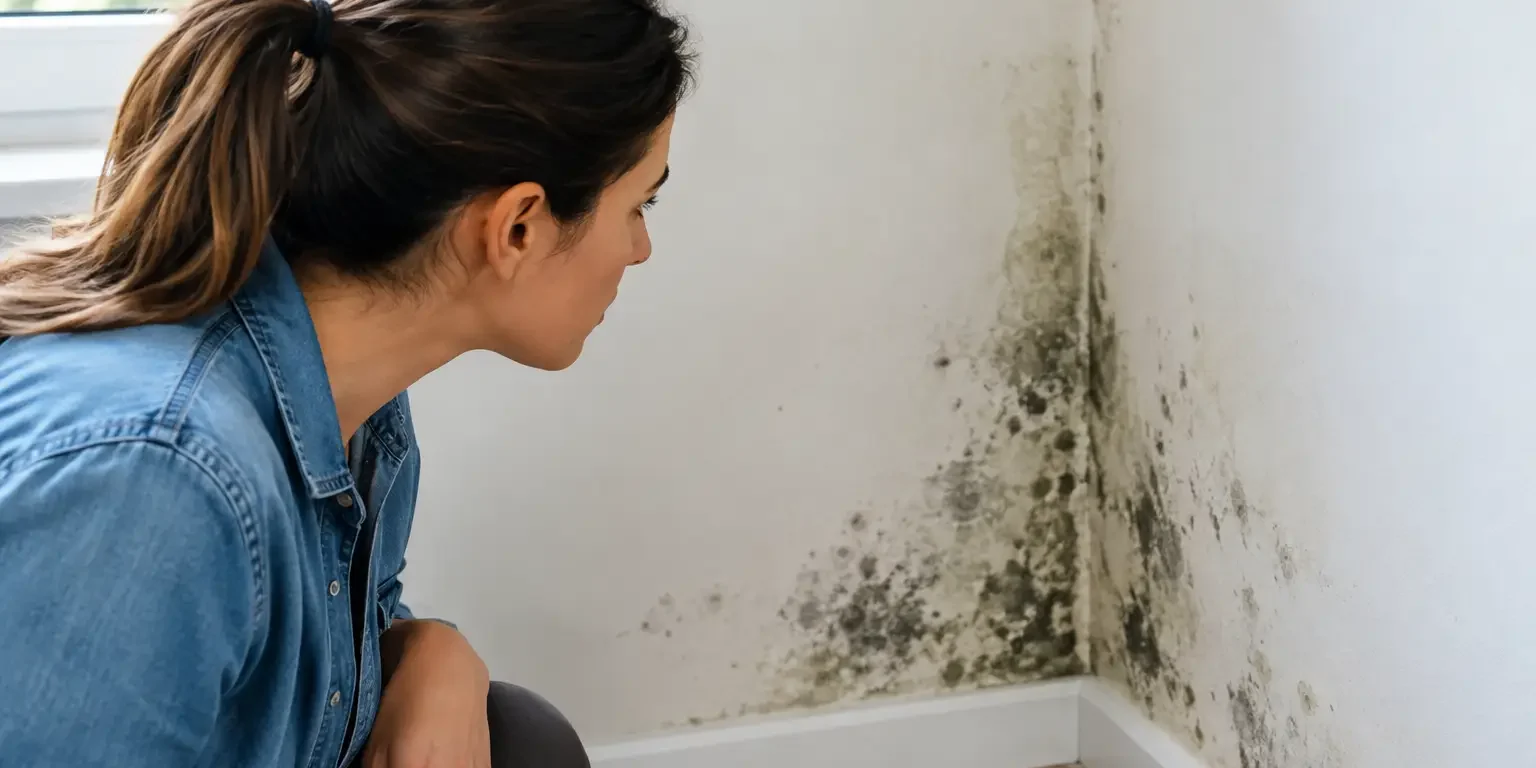
A spotless ceiling and dry-looking walls do not always rule out a moisture problem. Homeowners often ask, can mold grow without leaks? Yes. Mold does not need a dramatic pipe break or a visible roof leak to take hold. It needs moisture, a surface with organic material, and enough time. In many homes and commercial properties, the moisture comes from high indoor humidity, condensation, poor ventilation, or a hidden issue inside a wall, floor, or mechanical system.
That distinction matters because removing visible mold without identifying why it grew can lead to repeat contamination. The right response is not panic. Not all mold growth presents the same level of risk. But a musty odor, recurring spots, or unexplained indoor air concerns deserve a careful, source-first assessment.
Can Mold Grow Without Leaks? Absolutely.
A leak is only one route for water to enter a building material. Mold can grow when moisture in the air repeatedly settles on cool surfaces, when damp air cannot escape a room, or when materials remain wet after a minor spill, appliance issue, or past water event.
Drywall, wood framing, carpeting, dust, paper backing, insulation, and fabric can all support mold growth when conditions are right. In many cases, the source is subtle enough that occupants never see standing water. By the time discoloration appears, moisture may have been present behind a wall or under flooring for weeks or longer.
This is why a proper mold inspection should focus on more than the visible area. An experienced professional looks for moisture patterns, building conditions, ventilation failures, and concealed sources that can keep feeding the problem.
The Most Common Non-Leak Causes of Mold
High indoor humidity
Humidity is one of the most common reasons mold develops without an obvious leak. When indoor relative humidity stays elevated, materials can absorb moisture directly from the air. Basements, bathrooms, laundry rooms, kitchens, and poorly conditioned upper floors are frequent problem areas.
In New Jersey and the surrounding region, humid summer weather can make this worse, especially in homes with undersized air conditioning, unvented bathrooms, or damp basements. A dehumidifier can help in some spaces, but it is not a complete answer if water vapor is entering continuously or the building has a larger drainage or ventilation problem.
As a general target, indoor humidity should usually remain below 60 percent, with many properties benefiting from levels closer to 30 to 50 percent. The appropriate range depends on the building, season, and how the HVAC system is operating.
Condensation on cold surfaces
Condensation occurs when warm, humid air hits a colder surface and releases water droplets. You may notice it on windows, metal ductwork, cold-water pipes, toilet tanks, exterior walls, or inside closets placed against outside-facing walls.
A little condensation on a window during severe weather may not create a major issue. Repeated condensation, however, can wet window trim, drywall, insulation, and framing. Mold can then develop around the affected area even though no plumbing or roof leak exists.
Condensation is a building-performance issue. It may point to excessive humidity, inadequate insulation, air leaks, poor circulation, or a combination of those conditions. Simply wiping away droplets treats the symptom, not the cause.
Poor bathroom and kitchen ventilation
Showers, baths, cooking, and dishwashing produce substantial moisture. Without effective exhaust ventilation, that moisture spreads to walls, ceilings, cabinets, and nearby rooms. A bathroom fan that is noisy but does not actually move air outdoors is not providing meaningful protection.
Mold on a bathroom ceiling is often blamed on cleaning habits. Sometimes cleaning is part of the solution, but recurring ceiling growth usually indicates a moisture-control issue. The same is true for mold around kitchen cabinets, particularly near exterior walls or areas with limited airflow.
Damp basements and crawl spaces
Below-grade spaces are naturally vulnerable to moisture. Soil moisture can migrate through foundation walls and slabs, and warm humid air can condense on cool basement surfaces. Even when there is no active foundation leak, a basement can remain damp enough to support mold growth on framing, stored belongings, carpeting, or finished walls.
A musty basement smell should not be ignored simply because the floor looks dry. Odor can be an early sign of moisture-related microbial growth in areas that are not immediately visible.
HVAC and ductwork moisture
Air conditioning systems remove moisture from indoor air, but they also create condensate. If a drain line clogs, a pan overflows, insulation around cold components is damaged, or airflow is restricted, moisture can develop around the system.
Ductwork in attics, basements, and utility spaces can also sweat when warm humid air reaches cold metal. Mold around vents or near an air handler does not automatically mean the entire HVAC system is contaminated. It does mean the area should be evaluated carefully so the moisture source and extent of growth can be identified.
Small events that were never fully dried
Not every water event feels serious at the time. A toilet overflow, wet carpet near an entryway, washing machine hose drip, overflowing sink, or soaked cardboard box may seem manageable with towels and a fan. If water reaches porous materials and those materials do not dry promptly, mold can follow.
The visible surface may feel dry within a day, while padding, subflooring, drywall cavities, or baseboards retain moisture. This is one reason a professional moisture assessment can be valuable after water damage, even when the original event appeared minor.
Signs of Mold When You Cannot Find a Leak
Visible spotting is one sign, but it is not the only one. Recurring discoloration on ceilings or walls, peeling paint, warped trim, condensation, persistent musty odors, and damp-feeling rooms can all point to an underlying moisture condition.
Pay attention to patterns. Does a musty smell return after the windows are closed? Does staining appear in the same corner each summer? Is there mold inside a closet on an exterior wall? Does a tenant report odor or irritation only in one office or apartment? Those details help narrow the investigation.
Health symptoms alone cannot confirm mold or identify the type of contamination. Allergies, respiratory conditions, dust, pets, and other indoor air factors can cause similar concerns. That is why a visual evaluation, moisture investigation, and appropriate testing when warranted provide a more reliable path than assumptions.
Why Surface Cleaning May Not Solve the Problem
Cleaning a small amount of surface mold can be appropriate in limited situations, particularly on hard, nonporous materials. But cleaning becomes ineffective when moisture remains active, growth has entered porous materials, or the affected area is larger than it appears.
Bleach is often used as a quick fix, yet it does not correct humidity, condensation, hidden dampness, or building defects. On porous materials such as drywall, it may not reach the embedded growth. Painting over stains or applying a fragrance only conceals evidence while the underlying condition continues.
Improper removal can also disturb spores and spread debris into other parts of the property. For larger, recurring, or concealed problems, containment, controlled removal, cleaning, and post-work verification should be handled with a clear remediation plan.
When to Schedule a Professional Mold Inspection
A professional inspection is a practical next step when mold returns after cleaning, an odor persists without a clear explanation, water damage occurred in the past, or occupants suspect moisture behind finished materials. Property managers should also act promptly when tenants report recurring dampness or mold-like odors, since delays can increase repair costs and disrupt occupancy.
A qualified inspection should begin with diagnosis, not a sales pitch. The goal is to identify where moisture is coming from, determine how far the condition extends, and recommend a proportionate response. Depending on the situation, that may include moisture readings, thermal imaging, targeted sampling, or limited investigation of concealed areas.
Certified Mold Removal Inc. follows a source-correction-first approach. If the moisture driver is not addressed, even carefully performed mold removal can become a temporary solution. A written remediation protocol helps define the work clearly, protects occupants during cleanup, and reduces confusion about what needs to be repaired versus what needs to be removed.
Practical Steps You Can Take Now
If you suspect mold but cannot find a leak, start by observing rather than tearing into walls. Check humidity with an inexpensive hygrometer, look for condensation around windows and pipes, run bathroom and kitchen exhaust fans, and keep furniture a few inches away from exterior walls to improve air circulation.
Address wet materials promptly and avoid storing cardboard, clothing, or upholstered items directly on a damp basement floor. If you see a small isolated patch on a hard surface, use appropriate protective measures and monitor whether it returns. If the area is spreading, smells musty, involves drywall or carpeting, or may be concealed, avoid aggressive DIY demolition.
Mold without a visible leak is not a mystery once the building is evaluated correctly. The moisture may be in the air, inside a cavity, beneath a floor, or tied to how the property is ventilated and conditioned. Finding that source early protects the building, limits unnecessary repairs, and gives you a clear path back to a dry, healthy indoor environment.