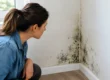
A water stain spreads across a ceiling, a musty smell lingers after a basement flood, or dark growth appears behind a bathroom vanity. At that point, homeowners often receive a price quote quickly, but the real question is remediation protocol vs estimate: which document tells you what needs to be done, and which tells you what it will cost?
They serve different purposes. A protocol is the technical roadmap for addressing a contamination condition correctly. An estimate is the contractor’s proposed price to perform defined work. When either document is missing, vague, or based on assumptions instead of an inspection, property owners can end up paying for work that does not solve the moisture problem or fully address the affected area.
Remediation Protocol vs Estimate: The Core Difference
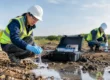
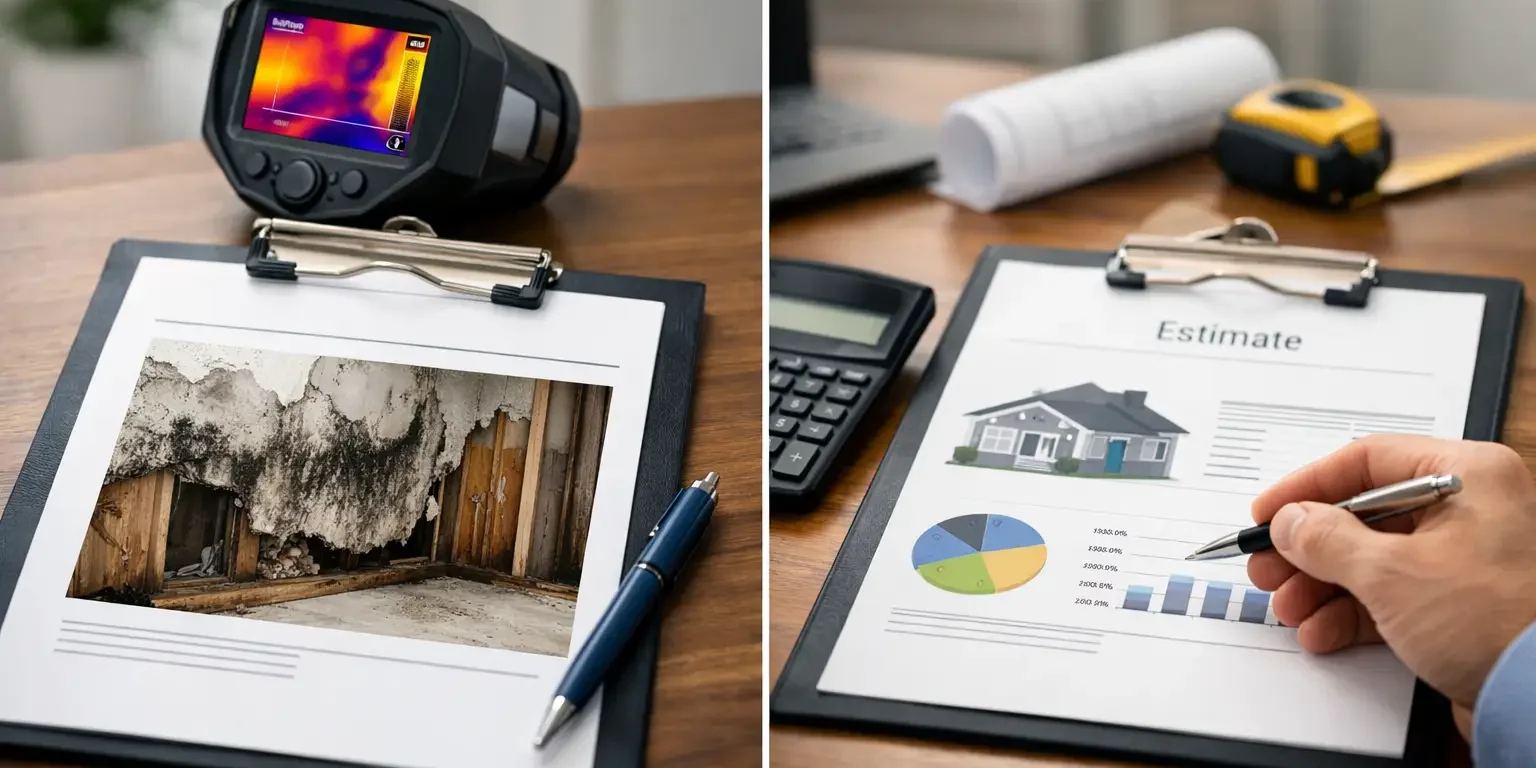
A written remediation protocol explains the conditions found, the likely source of moisture, the affected materials, and the controlled steps required to correct the problem. It should be based on a qualified inspection and, when appropriate, sampling or other objective findings. Its job is to define the work, not sell the work.
An estimate translates that scope into dollars. It identifies labor, containment, removal of affected materials, cleaning, equipment, disposal, repairs that may be included or excluded, and any conditions that could change the final price. Its job is to help you understand the financial commitment.
A simple way to remember the distinction is this: the protocol answers, “What must happen for a safe, proper result?” The estimate answers, “What will it cost this company to perform that work?”
Both documents matter because mold conditions are rarely solved by surface cleaning alone. If humidity, a plumbing leak, roof intrusion, drainage failure, or ventilation issue remains unresolved, visible growth can return. Not all mold is dangerous, but every moisture-related condition deserves an accurate diagnosis before major work begins.
What a Proper Remediation Protocol Should Include
A useful protocol is specific enough that another qualified remediation contractor could understand the required work. It is not a one-page statement that says “remove mold from basement” or “treat all visible areas.” Broad language leaves too much room for shortcuts, change orders, and disagreements about what was included.
Source correction comes first
The protocol should identify the moisture source or clearly state what must be investigated before remediation begins. A recurring pipe leak, wet foundation wall, damaged flashing, or failed exhaust fan can undermine even the most thorough cleanup.
In some cases, source correction is performed by a plumber, roofer, HVAC professional, or general contractor before the remediation crew starts. That division of responsibility should be clear. Mold removal without moisture control is not a complete solution.
Defined work areas and containment
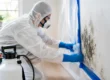
The document should describe where work will occur and how the area will be isolated from occupied spaces. Depending on the size and location of the condition, that may include critical barriers, negative air equipment, protected pathways, and controlled entry procedures.
Containment is not an optional upgrade when conditions call for it. Improper demolition can spread dust and particles into adjoining rooms, HVAC pathways, furnishings, and common areas. The goal is to remove affected materials while protecting the rest of the property.
Materials, methods, and cleaning requirements
A protocol should distinguish between materials that can be cleaned and materials that need removal. Nonporous materials may often be cleaned using appropriate methods. Porous materials, such as heavily affected drywall, insulation, carpet padding, or particleboard, may require removal depending on the extent of impact and the condition of the material.
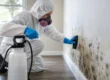
It should also define how the area will be cleaned after removal, including detail cleaning and HEPA vacuuming where appropriate. “Spray and wipe” is not a remediation plan. Chemical application alone does not remove damaged materials, correct moisture, or verify that the work area has been cleaned properly.
Verification after the work
Many situations benefit from a post-remediation visual review and, when warranted, clearance testing. The right verification method depends on the original condition, the building’s use, occupant concerns, and the scope of work. A small, isolated issue does not always require the same level of documentation as a large water-loss event or a commercial tenant space.
Still, verification provides accountability. It helps confirm that the contained area is dry, visibly clean, and ready for reconstruction or normal use.
What a Detailed Mold Remediation Estimate Should Show
Once a protocol defines the scope, an estimate should make the proposed cost understandable. You should be able to see what the contractor plans to do, where the work will occur, and what is included in the quoted price.
A professional estimate commonly addresses containment setup, labor, affected-material removal, cleaning, equipment use, waste handling, and project supervision. It should also identify exclusions. For example, rebuilding drywall, replacing flooring, painting, plumbing repairs, or repairing a roof may be separate from remediation unless expressly included.
The estimate should not hide behind a single lump-sum number when the scope is substantial. A clear breakdown does not always mean every cost must be priced to the penny, but it should give you enough information to compare proposals responsibly.
Be cautious with estimates that promise to remove “all mold” from an entire property without identifying affected areas or moisture sources. That language can create unnecessary fear and often signals a sales-first approach. A qualified professional should explain what was observed, what remains uncertain, and why a specific scope is recommended.
Why the Cheapest Estimate Can Become the Most Expensive Choice
A lower price is not automatically wrong. Some projects are genuinely small and straightforward. The problem begins when a low estimate leaves out the steps necessary to protect occupants and prevent recurrence.
For example, one contractor may quote demolition and disposal only. Another may include containment, negative air, careful removal, detailed cleaning, and verification after the work. The second estimate may cost more because it reflects a more complete scope, not because the contractor is inflating the problem.
Compare estimates against the protocol, not against each other in isolation. If one proposal excludes containment that the protocol calls for, it is not an equivalent bid. If another includes broad demolition without explaining why, ask for the findings that support it.
Price can also change when hidden conditions are discovered after controlled removal begins. That is sometimes unavoidable, especially behind walls or beneath flooring. The important issue is whether the contractor explains the process for documenting the new condition, obtaining approval, and issuing a written change order before expanding the work.
Should the Protocol and Estimate Come From the Same Company?
There is no single answer. A full-service company can inspect, develop a written scope, and perform remediation efficiently, particularly when a fast response is needed after water damage. This approach can reduce delays and make communication easier because one experienced team manages the process from diagnosis through cleanup.
At the same time, some property owners prefer an independent protocol before collecting bids. That can be especially useful for larger losses, disputed conditions, multi-unit properties, commercial spaces, or situations where several contractors will price the same scope. An independent document can make apples-to-apples comparisons more realistic.
What matters most is transparency. The person recommending the scope should be able to explain the evidence, the moisture source, the required controls, and the basis for each recommendation. The contractor preparing the estimate should be willing to follow the documented scope and state any assumptions clearly.
Questions to Ask Before You Approve Work
Before authorizing remediation, ask whether the moisture source has been identified and who is responsible for correcting it. Ask which materials will be removed, which will be cleaned, how the work area will be contained, and whether contents need protection or relocation.
You should also ask what the estimate excludes, what could trigger a change order, and how the completed work will be verified. These are not difficult questions. A certified, experienced professional should answer them directly without pressure tactics or vague promises.
For homeowners and property managers in Monmouth County and surrounding areas, quick action can limit damage after a leak or water event. Speed should never mean skipping diagnosis, however. Certified Mold Removal Inc. approaches mold conditions by identifying the source, defining the proper scope, and completing controlled remediation designed to protect indoor air quality and the people who use the building.
If you have a protocol but no estimate, use the protocol to request comparable proposals. If you have an estimate but no clear explanation of the scope, pause and ask for the findings behind it. The right next step is the one that gives you a documented plan, a transparent price, and confidence that the moisture problem will not be waiting behind the next wall.