Floodwater does not give you much time. Within 24 to 48 hours, wet drywall, carpet, insulation, and wood can begin supporting mold growth, and the cleanup decisions you make early can either contain the problem or spread it through the building. If you are dealing with how to clean mold after flooding, the first priority is not scrubbing harder. It is protecting people, stopping further moisture intrusion, and knowing where routine cleanup ends and professional remediation begins.
Not all mold is toxic, and not every flooded property requires a full-scale remediation project. That said, flood-related mold is different from a small patch on bathroom caulk. After a storm, sewer backup, appliance failure, or basement flood, contamination can extend behind walls, under flooring, inside HVAC pathways, and into porous materials that cannot be safely restored. A surface-level cleaning job may improve appearance while leaving the real problem active.
How to clean mold after flooding without making it worse
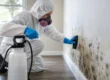
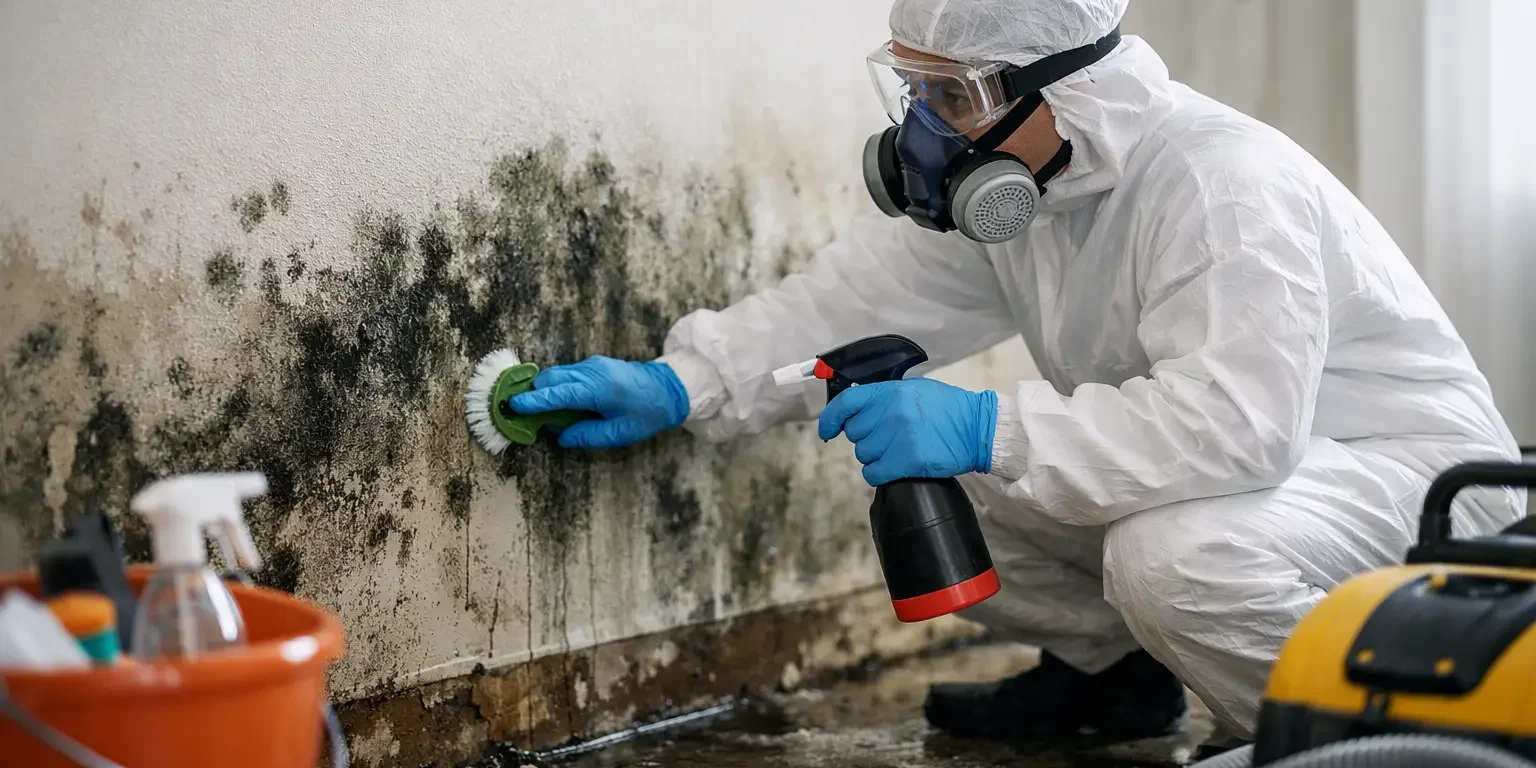
Before anyone starts removing debris or wiping visible growth, make sure the property is safe to enter. If the flood involved electrical hazards, structural damage, or contaminated water, those issues need to be addressed first. Personal protective equipment matters here. At a minimum, that means gloves, eye protection, and a properly fitted respirator suitable for mold and particulate exposure. A dust mask is not the same thing.
Ventilation can help, but it depends on outdoor conditions and the source of contamination. Opening windows may support drying in some cases, while in humid weather it can slow progress and feed the problem. The better approach is controlled drying with dehumidification and air movement once the water source has been stopped.
The next step is to separate salvageable materials from materials that should be discarded. This is where many property owners lose time and money. Non-porous and semi-porous items such as metal, glass, and some plastics can often be cleaned. Porous materials like drywall, insulation, ceiling tiles, carpet pad, and many upholstered contents usually cannot be reliably restored once they are saturated and moldy. Wood is more nuanced. Structural framing may sometimes be dried and cleaned if damage is limited, but finished wood products, cabinets, and composite materials often need a closer evaluation.
What you should remove before you clean
If mold is growing on water-damaged drywall, baseboards, insulation, carpet, or ceiling material, cleaning the surface is usually not enough. Those materials trap moisture and organic residue, which gives mold a place to continue growing below the visible area. In flood situations, removal is often part of proper cleanup, not an extreme measure.
Cutting out damaged drywall should be done carefully to avoid releasing spores and debris into unaffected areas. The same applies to pulling up carpet or removing insulation. If the affected area is small and clearly contained, some property owners handle basic removal themselves. But once the affected section is larger, involves multiple rooms, or appears connected to HVAC or wall cavities, containment becomes a serious concern. Without proper controls, demolition can spread contamination into clean areas of the property.
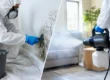
This is one reason certified remediation companies follow a protocol instead of treating mold cleanup like ordinary janitorial work. The issue is not just what you remove. It is how you isolate the area, manage air, bag debris, and verify that moisture conditions are actually being corrected.
The right way to clean hard surfaces
When the material is genuinely cleanable, start by physically removing visible debris and residue. Hard surfaces should be scrubbed with an appropriate cleaning solution and dried thoroughly. The goal is to remove mold growth, not just discolor it. Spraying a product over mold and walking away is not remediation.
Bleach is the product many people reach for first, but it is often misunderstood. On non-porous surfaces, it may help with disinfection and stain reduction. On porous or semi-porous materials, it usually does not penetrate deeply enough to solve the problem. It can also create a false sense of success because the stain lightens while mold remains in the material. Strong chemicals can also be hazardous in enclosed spaces, especially after flooding when ventilation is limited.
A detergent-based cleaner or professional antimicrobial product may be appropriate depending on the material and the contamination level. But even the best cleaner will fail if the surface stays damp. Drying is part of the cleaning process. If the material cannot be dried quickly and completely, replacement is usually the safer option.
Drying is not optional
Mold cleanup fails most often because moisture was never fully controlled. That could mean a hidden plumbing leak, trapped water under flooring, soaked wall cavities, poor drainage around the foundation, or indoor humidity that remains too high after the flood.
Use dehumidifiers, air movers, and moisture monitoring to bring materials back to an acceptable dry standard. This is where professional equipment makes a real difference. A room can feel dry while subflooring, framing, or insulation remains wet enough to support renewed growth. If you do not know what is still wet, you are guessing.
When cleaning turns into remediation
There is a practical line between a limited cleanup and a remediation project. If mold covers a large area, if multiple building materials are involved, if there is a strong persistent odor, or if occupants are experiencing irritation or respiratory symptoms, you should stop and get a qualified assessment. The same applies if the floodwater was contaminated or if the property is commercial, tenant-occupied, or part of a real estate transaction where documentation matters.
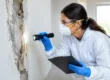
Professional remediation is not about fear. It is about procedure. A trained team should identify the moisture source, define the affected areas, establish containment if needed, remove unsalvageable materials safely, clean remaining structural components, and verify that drying is complete. If testing is warranted, it should support decision-making, not replace a real inspection.
For homeowners and property managers in New Jersey, New York, Pennsylvania, and Connecticut, speed matters after a flood. But speed without control creates expensive repeat work. A same-day response is valuable only if the team is following recognized standards and protecting indoor air quality while the cleanup is underway.
How to clean mold after flooding in basements, bathrooms, and living spaces
Different parts of a property present different risks. In a basement, the challenge is often hidden moisture in concrete walls, framing, stored contents, and mechanical areas. In a finished living space, flooring systems and drywall are usually the first materials to fail. In bathrooms or utility rooms, mold may be more visible, but repeated humidity and ventilation issues can complicate drying.
That means the cleanup plan should match the structure, not just the visible mold. A concrete basement floor with minor surface growth may respond well to cleaning and controlled drying. A flooded family room with soaked carpet, wet insulation, and a musty HVAC return nearby is a different situation entirely.
Common mistakes property owners make after a flood
One mistake is waiting too long to start drying because the mold does not look severe yet. Another is trying to save every material for sentimental or cost reasons, even when those materials are no longer restorable. The third is hiring a contractor who can tear out wet drywall but is not trained in mold containment, moisture diagnostics, or post-remediation cleaning.
Air fresheners, fogging alone, and paint-over products also cause trouble. They may mask odor briefly, but they do not remove contamination or solve moisture. If the area smells earthy a week after cleanup, something was missed.
This is where a disciplined, inspection-first approach protects both health and property value. Certified Mold Removal Inc. addresses flood-related mold by identifying the source, evaluating the extent of contamination, and carrying out standards-based removal and cleanup rather than relying on cosmetic fixes.
When it is safest to call a certified mold professional
If the affected area is extensive, if water entered wall cavities or flooring systems, if the flood involved gray or black water, or if anyone in the property has asthma, allergies, or a compromised immune system, bring in a certified professional. It is also the right call when you need documentation for tenants, insurance discussions, property management records, or a pending sale.
A qualified remediation team should be able to explain what is wet, what can be saved, what needs to be removed, and why. That level of clarity matters. Good remediation is not scare-based, and it is not guesswork. It is a controlled process designed to return the building to a safe, normal condition.
After flooding, the best cleanup decision is usually the one that deals with the hidden moisture as seriously as the visible mold. If you keep that standard in mind, you will make better choices early, avoid repeat contamination, and protect the people who rely on the space every day.