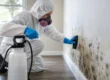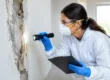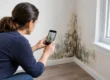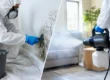
A musty odor behind a finished basement wall, recurring spots around a window, or symptoms that seem worse at work can create one urgent question: is mold testing worth it? Often, yes – but only when testing is part of a qualified inspection, not a stand-alone sales tactic. The goal is not to create alarm over every spore. It is to identify whether a moisture problem is affecting the building and what must be corrected to protect the people inside.
Mold is naturally present in outdoor air, and some mold growth can be obvious without laboratory analysis. What matters is whether there is active growth, hidden contamination, elevated indoor conditions compared with outdoors, or a water source that can keep the problem growing. Professional testing can answer those questions when visual evidence alone cannot.
When mold testing is worth it
Testing has the highest value when the condition of the building is unclear. A professional inspection may uncover moisture behind walls, beneath flooring, inside HVAC areas, or above ceilings long before widespread growth becomes visible. In those cases, properly selected samples can support a more accurate remediation plan and prevent unnecessary demolition.
It can also be worthwhile after a leak, flood, roof failure, plumbing issue, or chronic humidity event. Materials may look dry on the surface while moisture remains trapped in wall cavities, insulation, subflooring, or framing. A trained inspector uses moisture detection, thermal observations, building history, and visual assessment to determine where sampling is justified.
For property managers and business owners, testing can provide useful documentation when tenants or employees report odors, respiratory irritation, or repeated water intrusion. It can help establish a baseline before repairs, clarify the scope of a suspected issue, and support decisions about containment, scheduling, and restoration. For a home purchase or sale, it may also help distinguish an old stain from an active moisture condition.
Testing is particularly useful when there is no visible mold but the warning signs are persistent. These may include a damp or earthy odor, condensation on windows, peeling paint, warped trim, unexplained humidity, or a room that feels noticeably different from the rest of the property. A good investigation starts with those conditions, not with a laboratory kit.
When testing may not be necessary
Not every visible patch requires testing before action. If mold growth is clearly present on a small, accessible area and the moisture source is known, the immediate priorities are correcting the source and removing affected materials safely. Paying for testing that will not change the work plan may add cost without adding useful information.
For example, if a pipe leaked under a sink and mold is visible on damaged cabinet material, the practical question is not usually the species name. The question is whether moisture traveled farther than expected and whether porous materials need removal. An experienced inspector can determine whether sampling would change that answer.
This is where honest advice matters. Not all mold is dangerous, and no responsible professional should use a test result to pressure a property owner into oversized work. Mold testing is worth it when it informs a decision. It is not worth it when it is used as a scare tactic or treated as a substitute for finding the water source.
What professional mold testing actually tells you
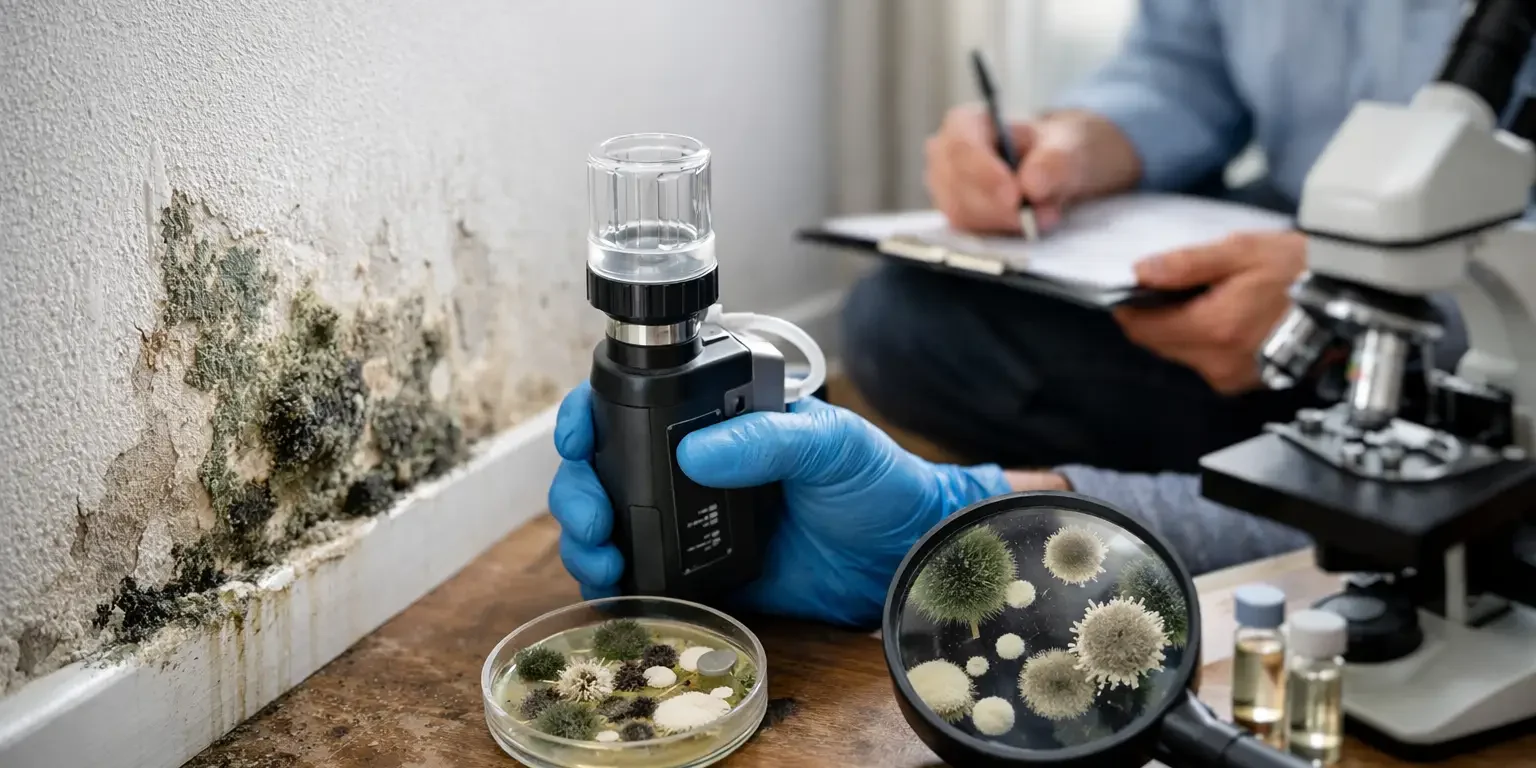
Laboratory results can identify the types of mold detected in a sample and, depending on the method, provide information about relative concentrations or growth on a material. Air sampling may compare indoor conditions with an outdoor control sample. Surface, tape-lift, swab, or bulk samples may help confirm suspected growth on a specific material.
The result is only one piece of evidence. Air samples are a snapshot of conditions at one location and one time. Open windows, weather, HVAC operation, cleaning activity, and the location of hidden growth can all affect what is collected. A low air result does not automatically rule out concealed mold, and a higher result does not automatically prove that a building is unsafe.
That is why interpretation matters as much as collection. A certified professional considers the laboratory report alongside moisture readings, visible conditions, odor, the building’s layout, ventilation, and the history of water damage. Without that context, numbers on a report can be misunderstood.
There is also no single universal indoor mold number that applies to every property. Claims that a test result alone can declare a home “safe” or “unsafe” should be treated carefully. The more reliable standard is a condition-based assessment: identify abnormal moisture, locate indoor growth or contamination, correct the cause, remove affected materials where appropriate, and verify that the work area has been cleaned properly.
Inspection first, samples second
A thorough inspection should come before any recommendation for testing or remediation. The inspector should ask about leaks, flooding, prior repairs, odors, humidity, and occupants’ concerns. They should examine likely moisture pathways rather than taking random samples from convenient locations.
The process commonly includes visual evaluation, moisture measurements, assessment of building materials, and targeted investigation of areas affected by water. If evidence suggests concealed contamination or if results are needed to define the work scope, the inspector selects the right sampling method and locations. This approach produces information that is useful, not simply more information.
For homeowners, this can prevent a common and expensive mistake: treating the visible spot while leaving the underlying moisture untouched. For commercial properties, it can reduce disruptions by defining the affected area before work begins. In either setting, correcting the water source must happen before or alongside remediation. Otherwise, mold can return.
The cost question: testing versus guessing
Professional testing has a cost, and the right choice depends on what is at stake. If the issue is small, obvious, and easily corrected, inspection and targeted cleanup may be the better use of funds. If the building has a persistent odor, a hidden leak, extensive prior water damage, a tenant complaint, or a potentially large remediation scope, testing can reduce the risk of spending money in the wrong place.
Guessing can be more expensive than testing when it leads to unnecessary tear-out or incomplete cleanup. Removing the wrong materials, failing to address a wet wall cavity, or relying on a cheap consumer test kit can leave the real issue unresolved. Consumer kits may detect mold that naturally exists in the environment, but they generally cannot tell you where the moisture source is or what work the building requires.
The most cost-effective path is not always the cheapest initial service. It is the assessment that gives you a defensible next step. A documented inspection and, when appropriate, targeted laboratory testing can help owners avoid both overreaction and delay.
What to expect from a qualified mold professional
Choose a company that explains why a test is or is not recommended before collecting samples. The professional should be able to describe the suspected moisture source, the areas being evaluated, the sampling method, and how the results could affect the remediation plan. Clear written findings matter, especially for landlords, property managers, insurers, and business owners responsible for occupied spaces.
A qualified provider should also be prepared to explain the limits of testing. Be cautious if someone promises that a single sample will diagnose every indoor air concern or insists that a laboratory result alone determines the full scope of work. Proper mold assessment requires building science, contamination control, and a disciplined process.
Certified Mold Removal Inc. approaches testing as part of that larger process: diagnose the source, document the condition, establish a practical remediation protocol, and protect the property during cleanup. For urgent water events or suspected hidden contamination, a prompt professional assessment can limit damage before it spreads.
A practical decision for your property
If you can see mold, smell persistent mustiness, have experienced water damage, or suspect a hidden moisture problem, do not wait for the issue to become larger. Start with a professional inspection that focuses on the cause, not fear. If testing will clarify the location, extent, or nature of the problem, it is a worthwhile investment. If it will not change the next step, an honest specialist should tell you so.
The right answer is not “test everything” or “ignore it.” It is to get enough reliable information to correct the moisture problem safely and restore normal indoor conditions with confidence.