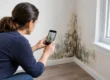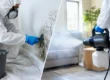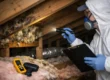
A dark spot behind a bathroom vanity and a musty odor in a finished basement can raise two different questions: Is that material mold, and are spores moving through the building? Surface sampling vs air sampling is not a contest between two interchangeable tests. Each method looks for different evidence, and choosing the wrong one can produce an answer that sounds technical but does little to explain the actual problem.
For homeowners, property managers, and business owners, the goal is not simply to collect a sample. It is to identify moisture, confirm or rule out suspected growth when testing is appropriate, determine whether conditions require containment, and correct the source before damage spreads. A qualified inspection leads that process. Testing supports it.
Surface Sampling vs Air Sampling: The Core Difference
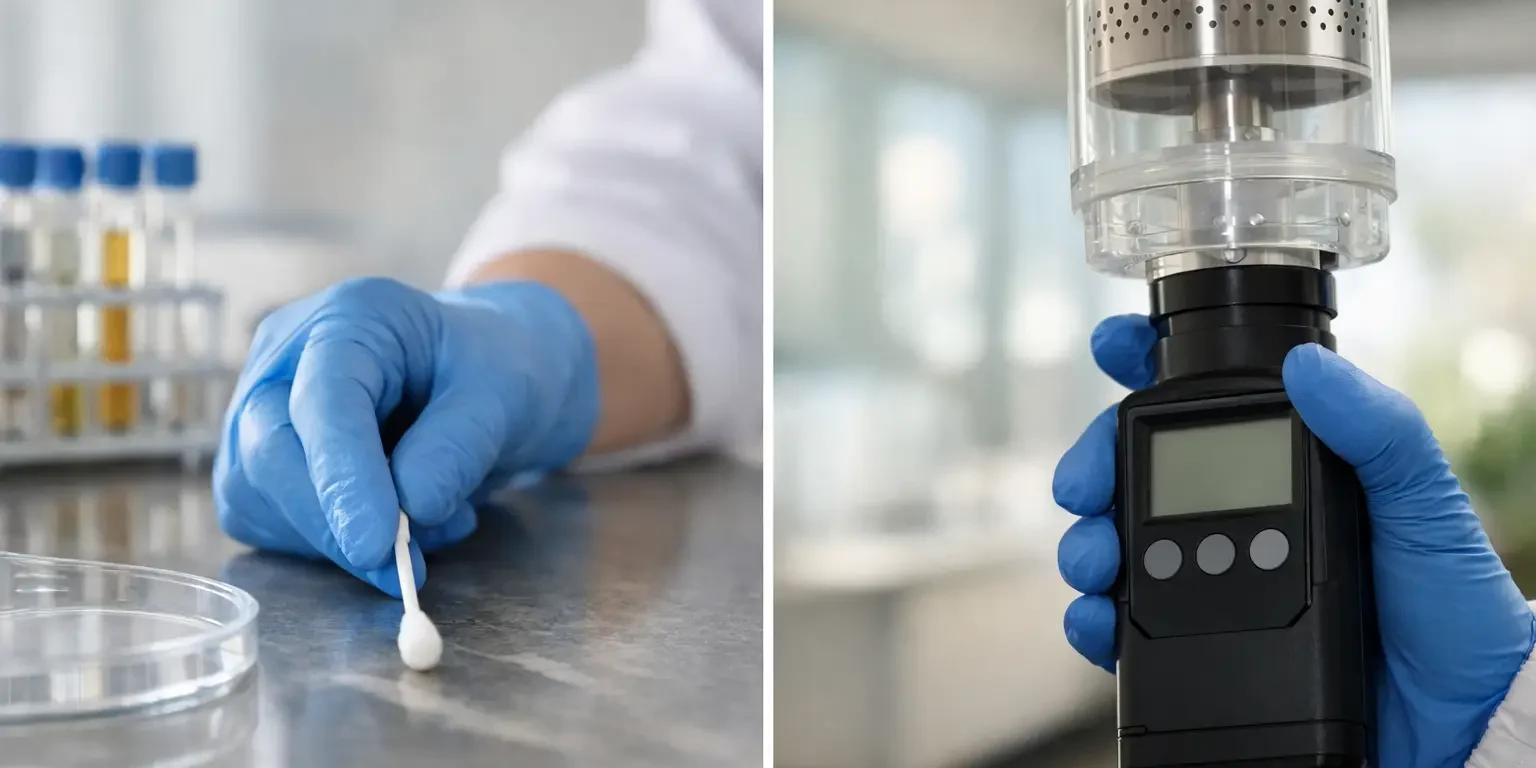
Surface sampling examines a specific material or location. It can help determine whether visible discoloration, residue, or suspected growth contains mold and may identify the types present. An inspector may take a tape lift, swab, or small material sample from drywall, wood framing, carpet backing, furniture, or another affected surface.
Air sampling measures the concentration and types of particles captured in a measured volume of air at a particular time. It is commonly used to compare an area of concern with an outdoor control sample or with an unaffected indoor area. This can help evaluate whether airborne mold spore levels appear unusual under the conditions present during testing.
The distinction matters. A surface sample can confirm that a suspicious mark contains mold, but it does not tell you how much is airborne throughout the room. An air sample may show a normal-looking spore profile while hidden growth remains inside a wall cavity, beneath flooring, or behind cabinetry. Neither test replaces a thorough visual inspection and moisture assessment.
When Surface Sampling Is the Better Choice
Surface testing is most useful when there is a defined area that needs identification. For example, a property manager may see staining around a window leak and need to distinguish mold growth from ordinary dirt, old water staining, or construction residue. A tape lift from that exact location can provide useful evidence.
It can also help when building materials must be evaluated before a targeted repair. If a contractor finds suspicious growth after opening a ceiling affected by a plumbing leak, a sample may support a written remediation protocol and help document the condition before work begins.
What a Surface Sample Can Tell You
A laboratory analysis may identify fungal structures or categories present on the sampled material. Depending on the method, it can show whether fungal growth is present and whether the sample contains spores, hyphae, or other indicators associated with mold.
That information must be read in context. Finding mold on a damp piece of drywall is not surprising, and it does not automatically mean an entire home has a widespread air-quality issue. On the other hand, a positive surface sample in one area may point an experienced inspector toward a larger moisture problem that needs to be investigated.
Its Limits Matter Too
Surface sampling only describes the place sampled. A clean result from one small section of wall does not clear the wall cavity, the adjacent framing, or the room as a whole. Sampling an old stain after the material has dried may also provide less useful information than identifying why the stain occurred and checking the surrounding materials with proper moisture-detection tools.
When mold growth is already clearly visible and the water source is obvious, testing is not always necessary to justify corrective action. The priority may be to stop the leak, remove damaged porous materials where appropriate, and complete remediation under controlled conditions. Testing should answer a real question, not become an added cost with no impact on the work plan.
When Air Sampling Adds Value
Air sampling is often considered when the concern is less visible. Occupants may notice persistent musty odors, recurring condensation, or symptoms that seem worse in a particular part of a building. A properly planned air sample can help determine whether the indoor air profile is different from an outdoor baseline or a comparable unaffected area.
It can be especially useful after a water event when the source is not obvious, in commercial spaces with occupant complaints, or during post-remediation verification when an independent clearance plan calls for air testing. In these situations, the sample is part of a larger evaluation that includes the building history, moisture findings, visible conditions, and the scope of work performed.
Air Results Are a Snapshot, Not a Diagnosis
Spore levels change. Weather, open windows, HVAC operation, cleaning, foot traffic, pets, and recent construction activity can all affect a sample. Outdoor air naturally contains mold spores, particularly during humid or rainy periods. That is why a single indoor air result, considered alone, can be misleading.
A meaningful air-sampling plan includes appropriate comparison samples and careful documentation of conditions at the time of collection. The laboratory results should be interpreted by a knowledgeable professional, not treated as a pass-or-fail score found on a report.
There is no universal indoor mold number that automatically proves a building is safe or unsafe. A lower spore count does not erase visible growth or a confirmed moisture problem. A higher count does not, by itself, identify the exact source. The question is whether the findings fit the physical evidence in the property.
Why an Inspection Must Come First
A proper mold inspection starts with the building, not a sample pump. An experienced professional asks where water entered, how long materials stayed wet, whether humidity is controlled, and what changed before the odor or staining began. They inspect likely pathways around plumbing, roofs, windows, foundations, HVAC components, bathrooms, kitchens, basements, and areas affected by prior flooding.
Moisture measurements, thermal imaging when appropriate, and visual examination help locate conditions that allow mold to grow. Sampling is then selected to resolve the remaining uncertainty. This approach protects clients from both extremes: dismissing a real problem because one test looked normal, or using alarming lab language to sell unnecessary demolition.
Certified Mold Removal Inc. follows a diagnosis-first process because source correction is the foundation of effective remediation. Removing visible growth without repairing the leak, drainage issue, ventilation failure, or humidity condition invites the problem to return.
Choosing the Right Test for Common Situations
If you can see suspicious growth on a wall, ceiling, or personal item, surface sampling may be the clearest way to identify that specific material when confirmation is needed. If there is no visible growth but an odor persists after water damage, air sampling may be considered alongside a detailed inspection for concealed moisture.
For a tenant complaint in an office, apartment building, or retail space, the best plan may involve both methods. Surface samples can document visible conditions, while air samples may help assess whether airborne spores appear elevated in occupied areas. The decision depends on the building layout, complaint history, water source, and the inspection findings.
After remediation, visual cleanliness, dry materials, and source repair are essential. If post-remediation testing is part of the project plan, it should be performed after containment is removed and cleaning is complete, using criteria established before the work begins. Testing should verify a properly completed job, not substitute for one.
Avoid These Sampling Mistakes
Do not collect random samples simply because a kit is available. Poor sample selection, improper collection, or an absent comparison sample can create results that are difficult to interpret. Home test kits may show that mold can grow under favorable conditions, but they rarely identify the extent of contamination or the moisture source.
Do not rely on air testing to investigate obvious wet, deteriorated materials. If drywall is soft after a leak or visible growth is present behind a sink cabinet, the building condition requires attention regardless of a single air result. Likewise, do not assume a cleaned surface resolves the issue if the material remains damp or the odor returns.
Most importantly, avoid disturbing suspected contamination before it is evaluated. Scrubbing, sanding, demolition, and running fans can spread particles into areas that were previously unaffected. Controlled work practices, containment when needed, and proper cleaning protect occupants and limit cross-contamination.
The Practical Next Step
The right question is not, “Should I get a surface sample or an air sample?” It is, “What evidence will help identify the source and guide the safest repair?” In some properties, no laboratory sample is needed. In others, one carefully selected sample can clarify the situation. Complex water damage, hidden conditions, or commercial occupant concerns may justify a combined strategy.
If you are dealing with staining, odor, recurring moisture, or a recent water event, arrange a professional assessment promptly. Early diagnosis can keep a contained issue from becoming a larger remediation project, while giving you a clear, standards-based plan to restore the space with confidence.