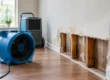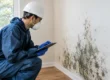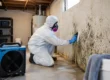
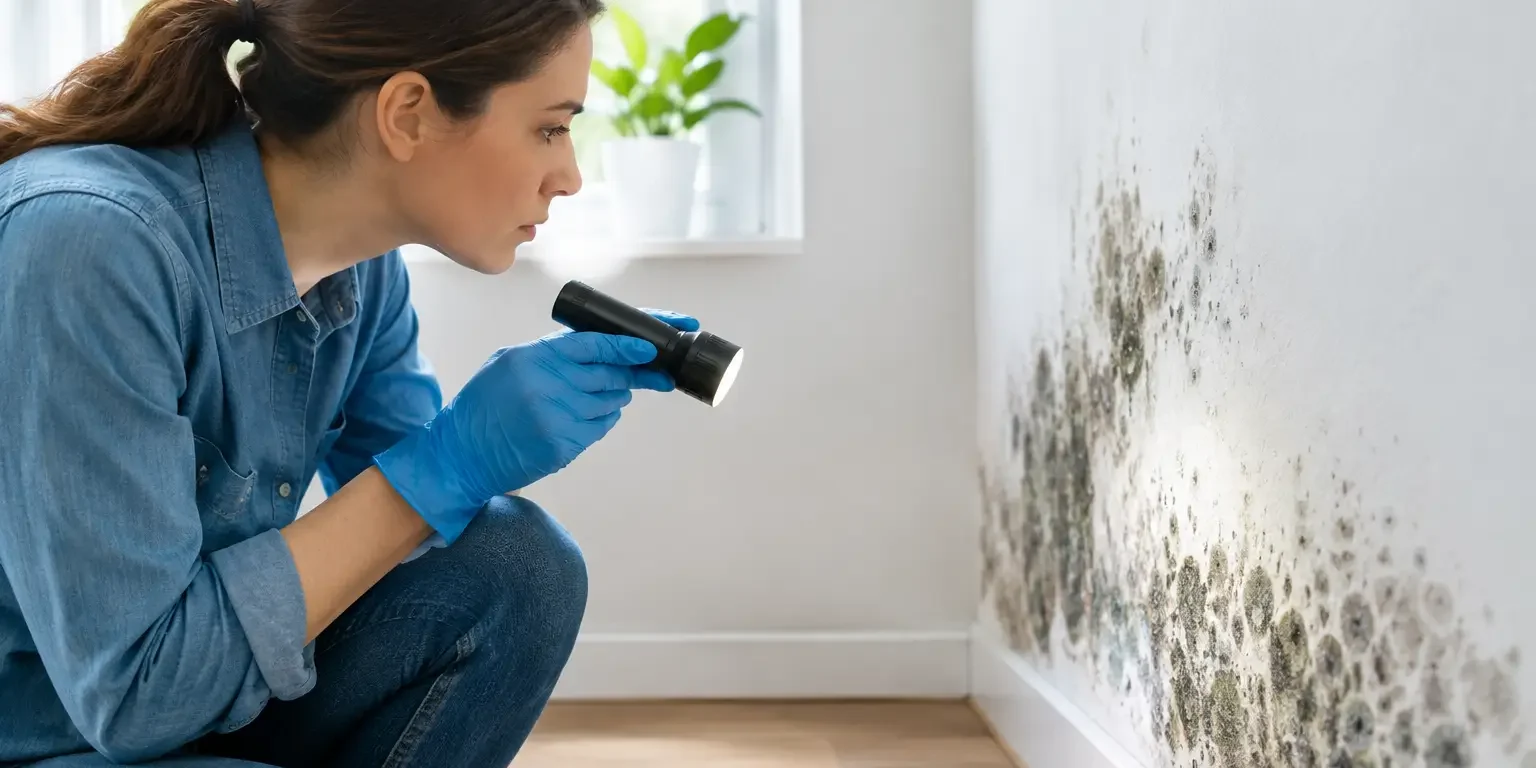
A water stain on a ceiling, a musty basement, or a patch of visible growth can raise an immediate question: how serious is this? This guide to mold contamination levels explains how qualified professionals judge the scope of a mold condition without relying on scare tactics, guesswork, or a single test result. Mold deserves prompt attention because it signals excess moisture, but not every finding requires the same response.
The right decision depends on where contamination is located, how much material is affected, whether the moisture source is active, and who occupies the property. A small surface spot on a nonporous bathroom tile calls for a very different approach than widespread growth behind wet drywall in a tenant-occupied building.
What Mold Contamination Levels Actually Mean
There is no universal mold meter that assigns every property a simple number from safe to dangerous. Mold contamination levels are an assessment of conditions, not a diagnosis based solely on one air sample or one visible patch.
A professional evaluation considers the size of the affected area, the materials involved, the duration of water exposure, the likelihood of hidden growth, and the condition of the indoor environment. It also considers whether moisture is still entering the building through a roof leak, plumbing failure, foundation seepage, poor drainage, elevated humidity, or an HVAC issue.
Visible mold is evidence, not the whole story. Growth on a wall may be limited to the surface, or it may indicate wet insulation, framing, or drywall behind it. Conversely, a musty odor with no visible growth can point to contamination inside a wall cavity, under flooring, in a crawlspace, or around a concealed leak.
A Practical Guide to Mold Contamination Levels
Level 1: Limited, accessible surface growth
This is generally a small, contained area of visible growth on a hard, nonporous surface, such as tile, glass, metal, or sealed plastic. The source may be routine condensation, poor bathroom ventilation, or a minor spill that was not fully dried.
The key question is whether the material beneath the surface is dry and unaffected. If the issue is confined to a small area, the moisture source has been corrected, and there is no recurring odor or water damage, the cleanup scope may be limited. Even then, avoid dry scraping or aggressive brushing, which can spread particles into the air.
A small visible area is not automatically a small problem. If it returns after cleaning, the moisture condition was not solved. Repeated growth is a reason to investigate ventilation, humidity, leaks, and hidden materials rather than continuing to clean the same spot.
Level 2: Localized contamination in building materials
At this level, mold has affected porous materials such as drywall, carpet backing, insulation, ceiling tile, wood trim, upholstery, or paper-faced materials. The affected area may still be contained to one room or one section of a room, but removal of damaged material can be necessary.
Porous materials do not always clean reliably once mold has grown into them. The appropriate scope depends on the material, the amount of damage, and whether it can be effectively cleaned and dried. A qualified remediation plan identifies what can be preserved, what should be removed, and how to prevent cross-contamination during the work.
This is where unqualified cleanup often creates a larger issue. Opening walls, removing wet materials, or using fans without containment can distribute debris into previously unaffected rooms. Source correction and controlled removal should happen together.
Level 3: Significant or concealed contamination
Significant contamination can involve multiple rooms, large sections of wall or ceiling materials, flooring systems, crawlspaces, attics, or HVAC-related moisture conditions. It may follow a major water event, a long-term plumbing leak, roof failure, or chronic foundation moisture.
At this stage, visible growth is often only part of the affected area. Moisture mapping, targeted inspection openings, and appropriate sampling may be needed to establish the actual boundaries. The remediation plan should define containment, air management, material removal, cleaning methods, and verification steps before rebuilding begins.
Commercial properties and multifamily buildings require added care. Occupants, shared ventilation, business operations, and adjacent units can all affect the containment strategy. The goal is not simply to remove visible material. It is to prevent disturbance from spreading contamination and to return the affected area to normal indoor conditions.
Level 4: Widespread contamination with active moisture
The most urgent situations involve widespread growth, extensive water-damaged materials, strong persistent odors, or conditions affecting several building systems. Examples include a long-undetected leak behind finishes, repeated flooding, a chronically wet crawlspace, or moisture damage extending across multiple floors.
This level requires a disciplined, standards-based response. The moisture source must be corrected, affected areas must be isolated, damaged materials must be handled safely, and the work area must be cleaned before repairs are made. Cosmetic repairs before remediation can conceal the problem while allowing moisture and growth to continue.
Urgency does not mean panic. It means preventing further damage, limiting occupant exposure, and having the work assessed by trained professionals who can document the condition and create a defensible scope.
Why Square Footage Is Only One Part of the Decision
Size matters, but square footage alone does not determine the risk or the remediation method. A small area of growth around a window may be straightforward. A similarly sized area beneath a kitchen cabinet may indicate a leak that has affected the subfloor, wall cavity, and adjacent materials.
Professionals also look at the following factors:
- Whether moisture is active or has been fully stopped
- Whether growth is on nonporous, semi-porous, or porous materials
- Whether contamination is exposed or concealed behind finishes
- Whether the area connects to occupied rooms or mechanical systems
- Whether children, older adults, or people with respiratory sensitivities use the space
These factors explain why a reliable assessment begins with diagnosis. Testing can be useful, but testing without a visual inspection, moisture investigation, and understanding of the building can produce incomplete answers.
How Mold Testing Fits Into the Assessment
Mold testing is a tool, not a shortcut. Surface, air, dust, or material samples may help answer specific questions, such as whether an odor points to hidden growth, whether an area should be opened for further investigation, or whether conditions after remediation are consistent with normal indoor environments.
A sample result must be interpreted in context. Indoor mold is influenced by outdoor conditions, open windows, cleaning activity, occupancy, HVAC operation, and the exact location and timing of collection. A report showing elevated spores does not automatically identify the source. Likewise, a low result does not rule out concealed contamination in a wall or floor assembly.
For that reason, responsible professionals do not use laboratory language to pressure property owners into unnecessary work. They combine inspection findings, moisture data, building history, and sampling when appropriate to define the real scope.
When to Call a Certified Mold Professional
Prompt professional help is appropriate when growth keeps returning, water damage is extensive, odors persist without an obvious source, or you suspect contamination inside walls, ceilings, floors, or HVAC components. It is also the right call after a major leak or flood, especially when materials remained wet for more than a short period.
Property managers and business owners should act quickly when occupants report odors, visible growth, or recurring water intrusion. Delays can increase repair costs, disrupt operations, and create disputes over the condition of the property.
Certified Mold Removal Inc. approaches these situations by identifying the source first, documenting the affected areas, and developing a remediation protocol matched to the property. For homeowners and property managers in Monmouth County and surrounding service areas, a same-day assessment can help distinguish a contained issue from a condition that requires controlled remediation.
What to Do Before Help Arrives
If it is safe to do so, stop the active water source and keep people away from visibly affected areas. Do not open walls, pull up carpeting, or run high-powered fans through suspected mold growth. Those actions can disturb contamination before the area is properly contained.
Take clear photos of visible staining or growth, note when the odor or leak began, and document any repairs already attempted. This information helps an inspector trace the moisture history and determine whether the problem is recent or long-standing.
Mold contamination levels are best understood as a practical measure of scope: how far moisture has traveled, what materials are involved, and what must happen to restore the space safely. Address the source early, insist on a clear written plan, and do not let a surface-level repair stand in for a complete solution.