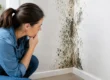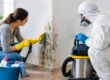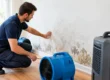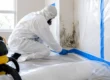
A musty odor that returns after cleaning is not a housekeeping problem. It is a building signal. This guide to mold odor removal explains how to respond without masking the smell, spreading contamination, or spending money on the wrong fix.
Mold odors are often described as damp, earthy, stale, or similar to wet cardboard. They can develop behind a wall after a plumbing leak, under flooring after a flood, inside a poorly vented bathroom, or in a basement with chronic humidity. The odor may be noticeable before mold becomes visible, which is why prompt investigation matters.
Not every musty smell means hazardous mold, and odor alone cannot identify a mold type or tell you the extent of contamination. It does tell you that moisture, microbial growth, or another indoor air issue deserves a closer look.
Why Mold Odors Keep Coming Back
A moldy smell persists when the conditions that created it are still present. Fragranced sprays, scented candles, air fresheners, and odor absorbers may temporarily cover the problem, but they do not remove microbial growth or dry the affected materials. In some cases, strong fragrances make it harder to notice whether conditions are getting worse.
Mold needs moisture and an available surface to grow. Drywall paper, wood framing, carpet backing, dust, insulation, fabrics, and stored cardboard can all support growth after a leak or extended high humidity. Even when a room looks dry on the surface, moisture can remain trapped in wall cavities, beneath flooring, or inside a ceiling assembly.
The source may be obvious, such as a burst supply line or roof leak. It can also be intermittent: condensation around ducts, a slow drain leak, an improperly exhausted shower, groundwater intrusion, or a window that leaks only during wind-driven rain. Odor removal works only when the moisture source is corrected first.
Start With a Careful Moisture Check
Begin by noting where and when the odor is strongest. Is it concentrated in one closet, near an exterior wall, below a bathroom, or after the air conditioner runs? Does it worsen after rain or when windows stay closed? These details help narrow down the source and give an inspector useful context.
Look for supporting signs without disturbing suspect materials. Water stains, bubbling paint, warped baseboards, peeling wallpaper, condensation, rusted fasteners, damp carpet edges, and discolored grout can all point to a moisture problem. Check under sinks, around appliance connections, near windows, and in unfinished basements or crawlspaces if they can be accessed safely.
Use your senses, but do not rely on them alone. A surface can look clean while hidden moisture affects materials behind it. Professional moisture meters, thermal imaging, and targeted inspection methods help determine whether an odor is coming from active moisture, old contamination, or an unrelated issue such as a drain or ventilation problem.
Do not disturb hidden growth to investigate it
Pulling up carpet, opening walls, scraping stains, or running a household fan across visible growth can release particles into other areas. This is especially concerning in occupied homes, multifamily properties, offices, and spaces used by people with respiratory sensitivities.
If there is visible growth, water-damaged material, or a strong odor from an enclosed area, limit access and avoid aggressive cleaning until the scope is clear. The goal is not to create a larger cleanup area while trying to find the original one.
The Proper Order for Mold Odor Removal
Effective odor removal follows a disciplined sequence: stop the water, dry the building materials, remove or clean contamination appropriately, verify the work, and restore the area. Skipping a step usually leads to an odor that returns.
1. Stop the moisture source
Repair the leak, improve drainage, address condensation, or correct inadequate ventilation before remediation begins. If humidity is the issue, use properly sized dehumidification and maintain indoor relative humidity at a level that discourages condensation and mold growth. A dehumidifier can help control conditions, but it cannot resolve a hidden plumbing leak or wet wall cavity.
After water damage, fast drying is critical. Materials that remain wet for extended periods are more likely to develop mold growth and retain odors. Drying should be measured, not guessed, particularly when structural materials or flooring are involved.
2. Decide what can be cleaned and what must be removed
Nonporous surfaces may often be cleaned when contamination is limited and the underlying material is intact. Porous materials are different. Wet insulation, damaged drywall, carpet padding, ceiling tiles, and particleboard may retain contamination and odor deep within the material. Cleaning the visible face does not necessarily resolve the problem.
The right decision depends on the material, the duration of moisture exposure, the size of the affected area, and whether hidden growth is suspected. Removal is not automatically required for every stain, but keeping odor-affected porous materials simply because they look acceptable can undermine the entire project.
3. Use containment and controlled cleaning
When a larger or concealed area is involved, professional remediation uses containment to separate the work zone from clean portions of the property. This reduces the chance of cross-contamination during material removal and cleaning. Technicians use appropriate personal protective equipment, controlled work practices, and specialized filtration rather than ordinary household methods.
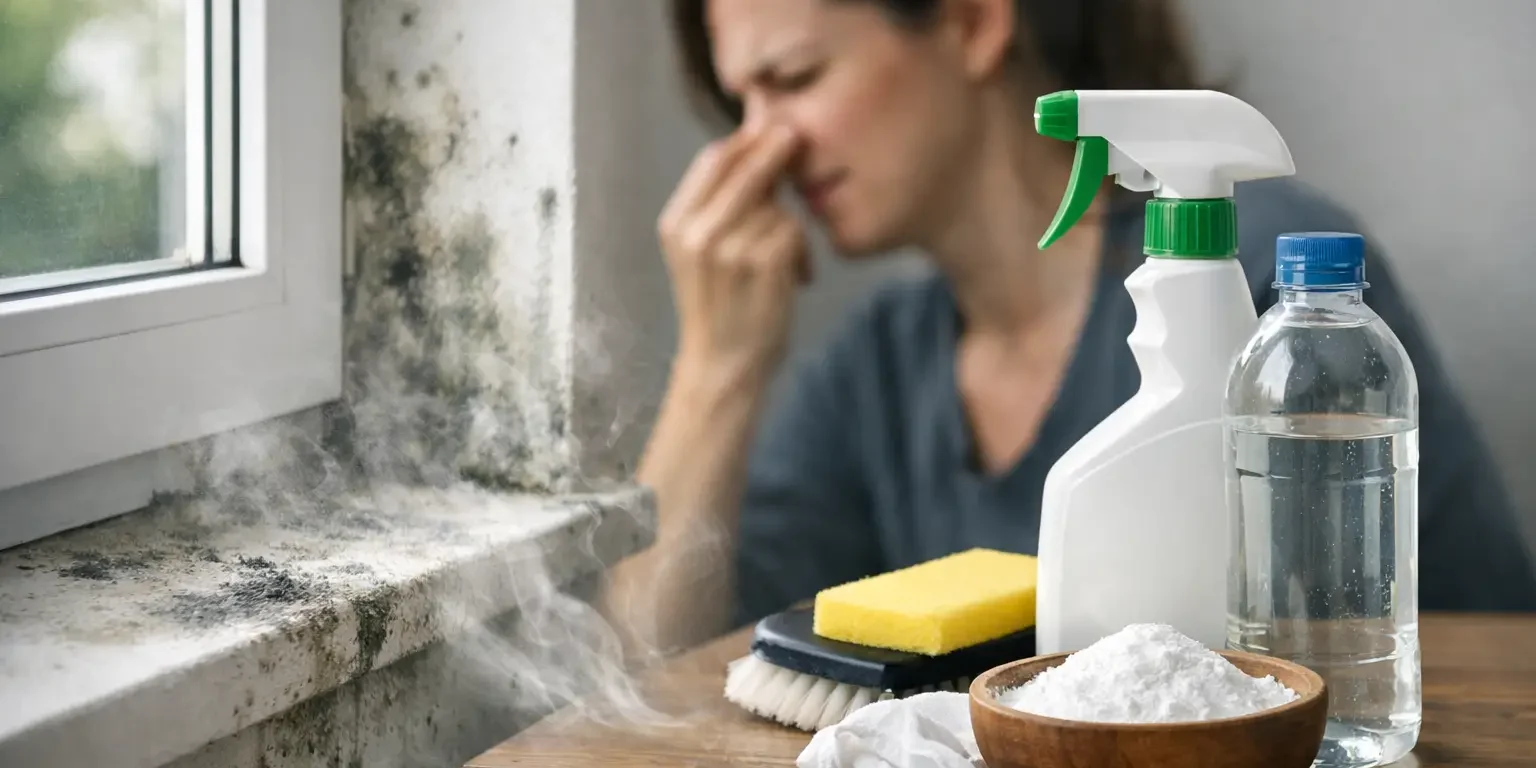
Dry brushing, sweeping, or vacuuming visible mold with a standard vacuum can spread particles. Bleach is also frequently misunderstood. It may discolor a surface and reduce visible staining in some situations, but it is not a universal mold solution, particularly on porous materials. It does not replace source correction, removal of damaged materials, or detailed cleaning.
4. Clean the air and surfaces after removal
Odor particles can settle on nearby contents and horizontal surfaces, even when the main growth area is small. Detailed cleaning may include HEPA vacuuming and damp wiping of affected surfaces, based on the remediation scope. Contents require judgment: some items can be cleaned, while others may hold persistent odor or contamination and need to be discarded.
Air filtration can be useful during professionally managed work, but it is not a substitute for removing the source. Likewise, ozone-generating devices and heavy fragrances should not be used as a shortcut. They can create occupant concerns, damage certain materials, and leave the underlying moisture or contamination untouched.
5. Confirm that conditions are normal before rebuilding
The final phase is not simply reinstalling drywall or painting over a stain. The area should be dry, visibly clean, and free of the original musty odor before reconstruction. Depending on the situation, post-remediation inspection or testing can provide added documentation that the cleanup meets the intended scope.
For property managers and commercial owners, this documentation can be particularly valuable. It establishes what was found, how the source was corrected, what materials were addressed, and what conditions existed at completion. That is far more defensible than a verbal assurance that a smell was treated.
When DIY Cleaning Is Reasonable
A homeowner may be able to address a very small, isolated spot on a hard surface if the moisture source has been fixed, the material is not damaged, and there is no recurring odor. Use basic protective equipment, clean according to the surface manufacturer’s guidance, dry the area completely, and monitor it closely.
DIY work becomes a poor trade-off when the odor is persistent, the affected material is porous, water damage is extensive, growth is concealed, or occupants are experiencing respiratory irritation. The same is true when contamination involves HVAC components or multiple rooms. An incomplete cleanup can spread the problem and make later remediation more expensive.
When to Call a Certified Mold Professional
A professional inspection is the practical next step when you can smell mold but cannot identify the source, when the odor returns after cleaning, or when a leak has affected walls, ceilings, flooring, or insulation. Prompt help is also warranted after flooding, sewage backups, repeated roof leaks, or long-term basement dampness.
Certified Mold Removal Inc. approaches these situations by diagnosing the moisture source first, documenting the affected conditions, and developing a remediation plan that fits the property. For homeowners and property decision-makers in New Jersey and surrounding service areas, a disciplined inspection can replace uncertainty with a clear, cost-conscious path forward.
A clean-smelling property is the result of dry materials, corrected moisture conditions, and properly completed cleanup. If the odor persists, treat it as useful information: something in the building still needs attention.