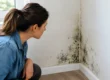
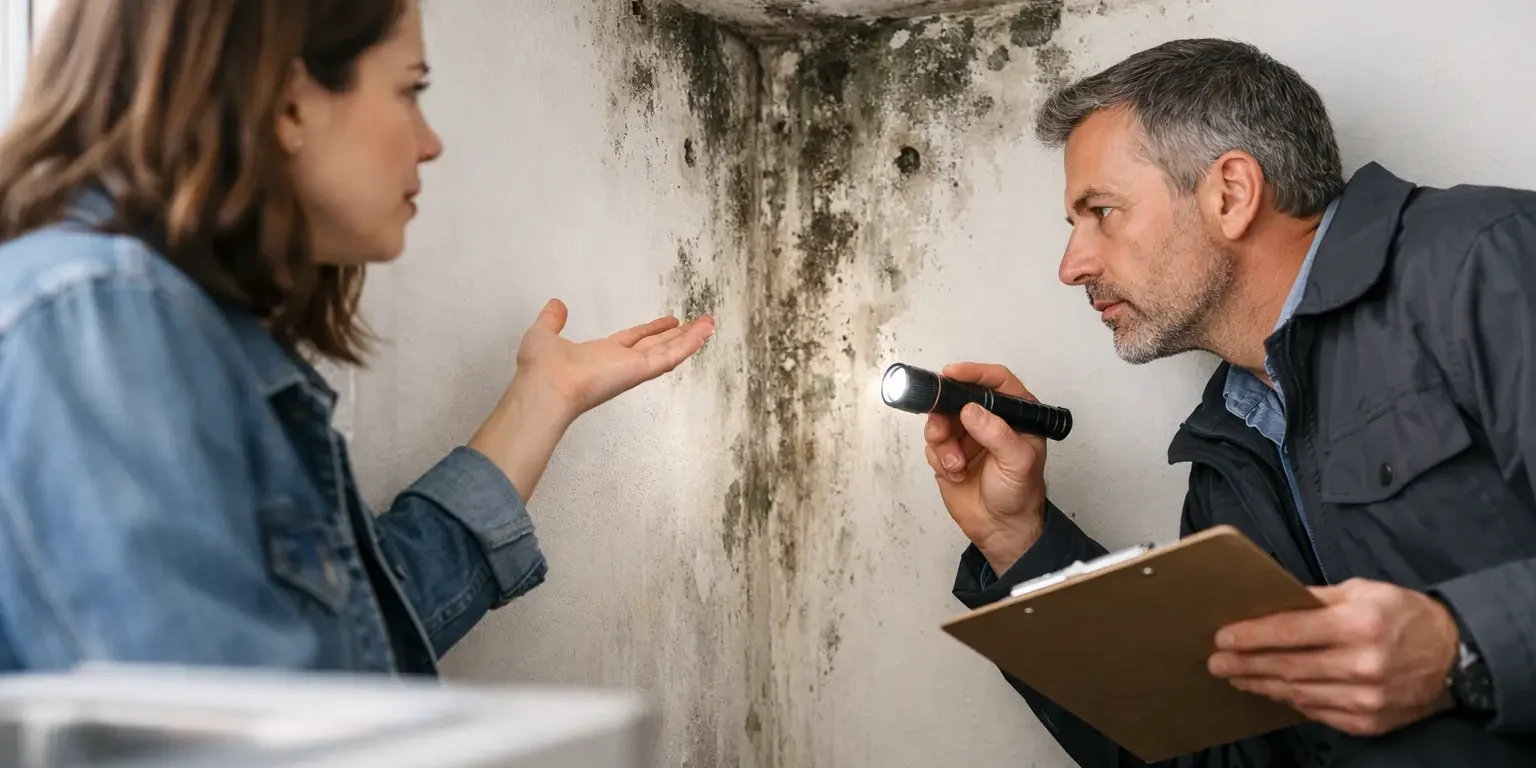
A tenant reports a musty odor in the bedroom, spotting beneath a window, or staining around a bathroom ceiling. Tenant complaints about mold are not a maintenance item to postpone until the next turnover. They are a signal to identify whether moisture is present, protect the occupant, and document a responsible response before a small condition becomes extensive property damage.
For landlords and property managers, the goal is not to panic or make assumptions from a photograph. Not all mold is dangerous, and dark-colored staining alone does not identify a species or prove the extent of contamination. The right response is prompt, methodical, and focused on the water or humidity condition that allowed growth to occur.
Why tenant complaints about mold require a fast response
Mold needs moisture and a material it can grow on. In rental properties, that moisture may come from a plumbing leak, roof intrusion, failed window flashing, wet building materials after a flood, poor bathroom ventilation, elevated indoor humidity, or condensation on cold surfaces. The visible area may be small while the source is concealed behind drywall, below flooring, or inside a wall cavity.
Delay creates unnecessary risk for everyone involved. Damp materials can deteriorate, odors can spread, and a tenant may reasonably lose confidence that the property is being maintained. A quick response also gives the owner a better chance to preserve evidence of the original condition, determine who should make repairs, and limit the scope and cost of restoration.
The correct urgency depends on the facts. A small patch around a shower with no active moisture may be handled differently from a ceiling leak over a sleeping area or widespread growth following water damage. But every report deserves a timely acknowledgment and a planned inspection.
Start with communication and documentation
The first conversation should be calm and specific. Ask the tenant when they first noticed the issue, whether there has been a leak, overflow, storm event, unusual condensation, or persistent odor, and whether anyone is experiencing discomfort while inside the unit. Request photographs when practical, but do not use pictures as a substitute for an on-site evaluation.
Document the report date, the tenant’s observations, your communications, inspection findings, work authorizations, repair invoices, photographs, and the steps taken to correct the condition. Clear records protect the tenant’s health and help property owners demonstrate that they acted responsibly.
Avoid language that minimizes the complaint before the facts are known. Statements such as “it is only mildew” or “there is nothing to worry about” can undermine trust and may be inaccurate. It is more appropriate to explain that the property will be assessed for moisture, visible growth, and affected materials, then addressed based on the findings.
Know that responsibilities can vary
A tenant may contribute to indoor humidity through everyday activities such as cooking, showering, drying clothes indoors, or blocking air vents. An owner may be responsible for repairing leaks, damaged building components, inadequate exhaust systems, or other property conditions. Often, the situation involves more than one factor.
Do not make a responsibility determination before investigating. Lease terms, local housing requirements, maintenance history, and the actual source of moisture all matter. When legal obligations or habitability questions arise, consult qualified local legal or housing guidance. From a property-protection standpoint, stopping moisture should come first.
Inspect for the source, not just the stain
An effective evaluation looks beyond the surface. The inspection should identify active or historic water entry, measure moisture where appropriate, assess ventilation and humidity conditions, and determine whether building materials may be affected out of view. Bathrooms, kitchens, laundry areas, basements, window surrounds, HVAC condensate components, roof-adjacent ceilings, and plumbing penetrations are common locations for investigation.
A strong musty odor without obvious growth can be meaningful. So can bubbling paint, warped baseboards, soft drywall, repeated condensation, or staining that returns after cleaning. These signs do not automatically establish a major contamination event, but they justify looking for trapped moisture rather than applying paint or cleaner over the symptom.
Testing can be useful when the findings are unclear, when there is a dispute about indoor conditions, or when a documented baseline is needed. It is not a replacement for a competent inspection, and it should not delay correcting an obvious water source. A test result without a moisture diagnosis rarely solves the actual building problem.
For properties in Monmouth County and nearby New Jersey communities, coastal weather, summer humidity, basement dampness, and wind-driven rain can add to routine plumbing and ventilation concerns. The location does not change the process: locate the source, correct it, dry affected materials, and verify that the work matches the condition.
Correct the moisture condition before remediation
Cleaning visible mold while a pipe drips behind the wall is not remediation. It is temporary cosmetic work that can leave occupants and owners facing the same complaint weeks later. Source correction may involve repairing plumbing, sealing a building-envelope opening, improving bathroom exhaust, addressing drainage, replacing damaged materials, or controlling indoor humidity.
Once the source is stopped, affected materials must be dried properly. Some nonporous surfaces can be cleaned when the affected area is limited and the material remains sound. Porous materials that are heavily affected, deteriorated, or unable to be thoroughly cleaned may need removal and replacement. The appropriate approach depends on the area involved, material type, moisture history, and whether contamination may have spread beyond the visible surface.
This is where unqualified cleanup can create a larger problem. Dry scraping, aggressive demolition without containment, or using fans before the area is controlled can spread particles to other rooms. Strong fragrances and surface coatings may mask an odor while leaving moisture or contamination in place.
When professional remediation is the prudent choice
A professional assessment is particularly valuable when there is extensive visible growth, repeated recurrence, water-damaged drywall or flooring, a persistent odor, suspected concealed impact, or occupants with heightened health concerns. Commercial spaces, multi-unit buildings, and properties with shared ventilation also require careful planning because a poorly contained project can affect more than one occupied area.
Certified Mold Removal Inc. approaches these cases by diagnosing the source first and using a written, standards-based scope when remediation is needed. Proper containment, controlled removal, detailed cleaning, and post-work evaluation are designed to restore normal conditions without fear-based claims or unnecessary work.
Protect tenants while work is underway
The repair plan should be communicated in plain language. Tell the tenant what was found, what work is planned, when workers need access, whether an area must be temporarily avoided, and whom to contact if conditions change. Do not promise a completion date that depends on concealed conditions unless you explain that further damage may alter the scope.
When an active leak or significant indoor condition affects a living space, temporary protective measures may be necessary while repairs are arranged. The correct measure depends on the condition, the extent of work, and applicable housing requirements. The key is to make decisions based on a documented assessment rather than convenience alone.
After the work, retain records showing that the moisture source was corrected and that affected materials were properly cleaned, removed, or restored. If the issue involved a larger or more complex area, a final inspection or appropriate verification can provide added confidence before normal use resumes.
Prevent the next complaint with routine maintenance
Most mold complaints begin with moisture that was either hidden or allowed to persist. Preventive maintenance is less costly than emergency restoration. Inspect under sinks and around appliances, respond quickly to plumbing leaks, keep roof and exterior drainage systems in repair, maintain bathroom exhaust fans, and watch for window condensation during cold weather.
Tenants also benefit from clear maintenance instructions. They should know how to report leaks promptly, use bathroom fans during and after showers, avoid blocking vents, and notify management when they notice recurring condensation or odors. This is not about shifting responsibility. It is about giving occupants a practical way to help protect the unit they live in.
A tenant’s report is an opportunity to correct a building condition while it is still manageable. Respond with urgency, investigate with discipline, and make repairs that address the cause instead of simply covering the evidence.